
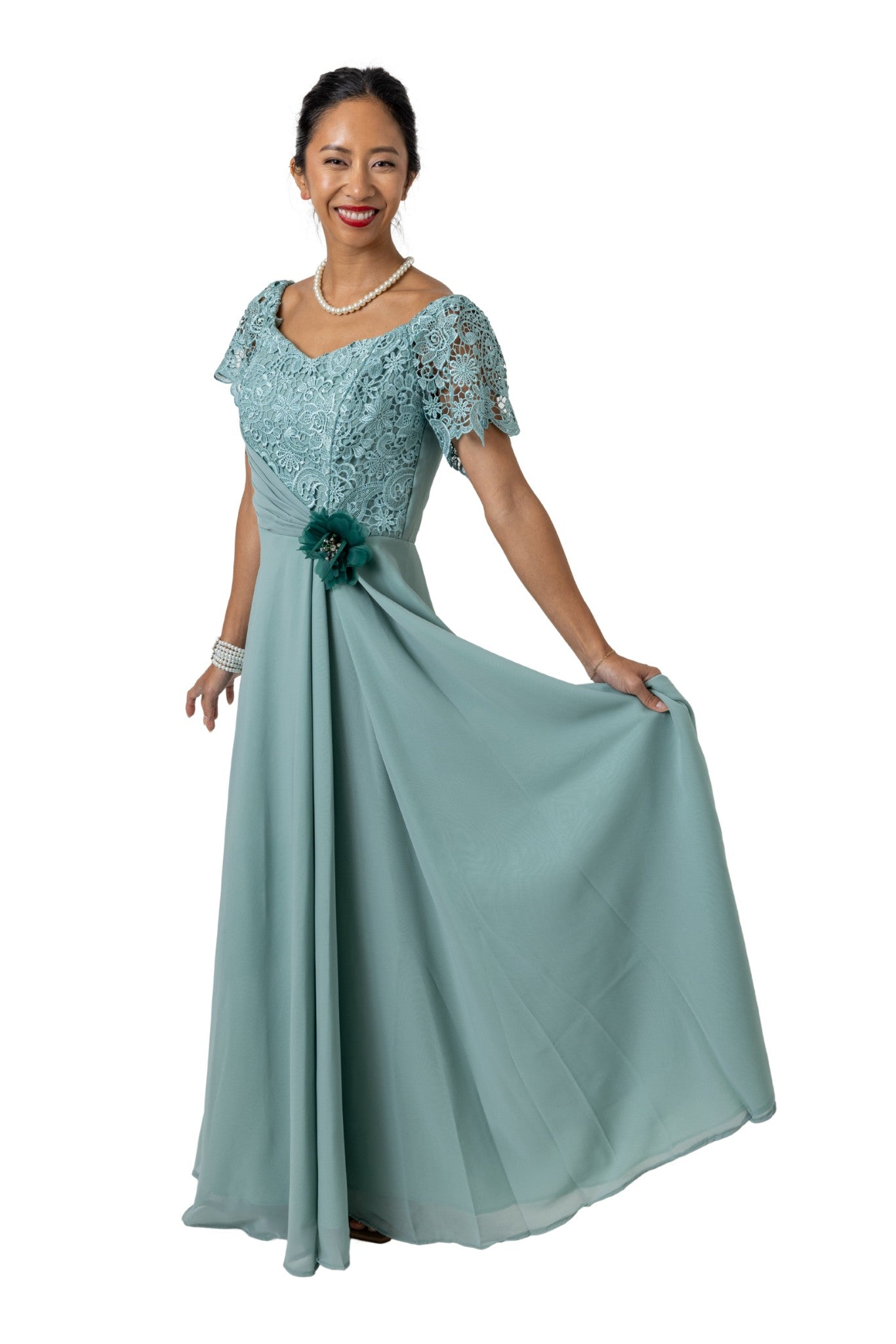
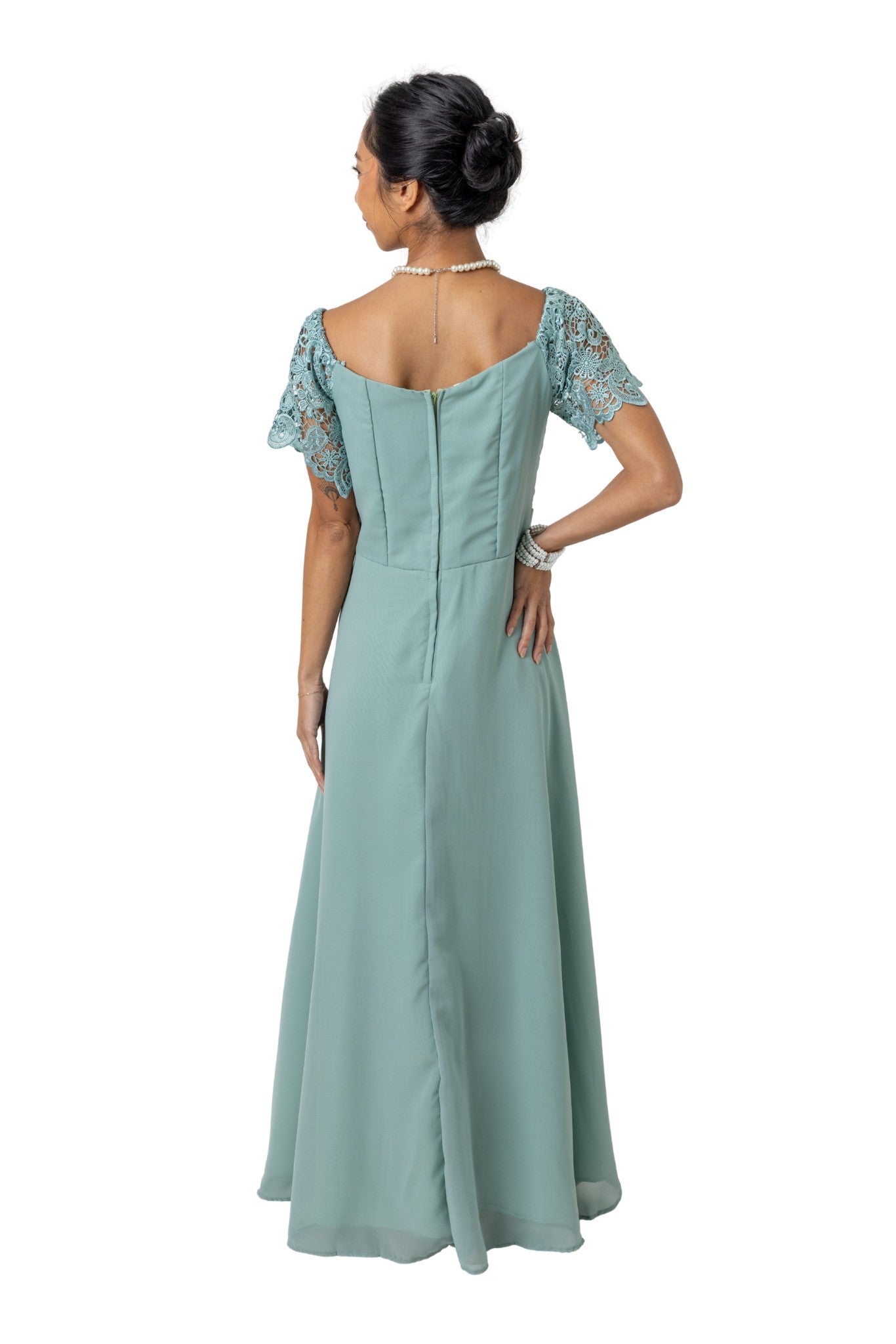
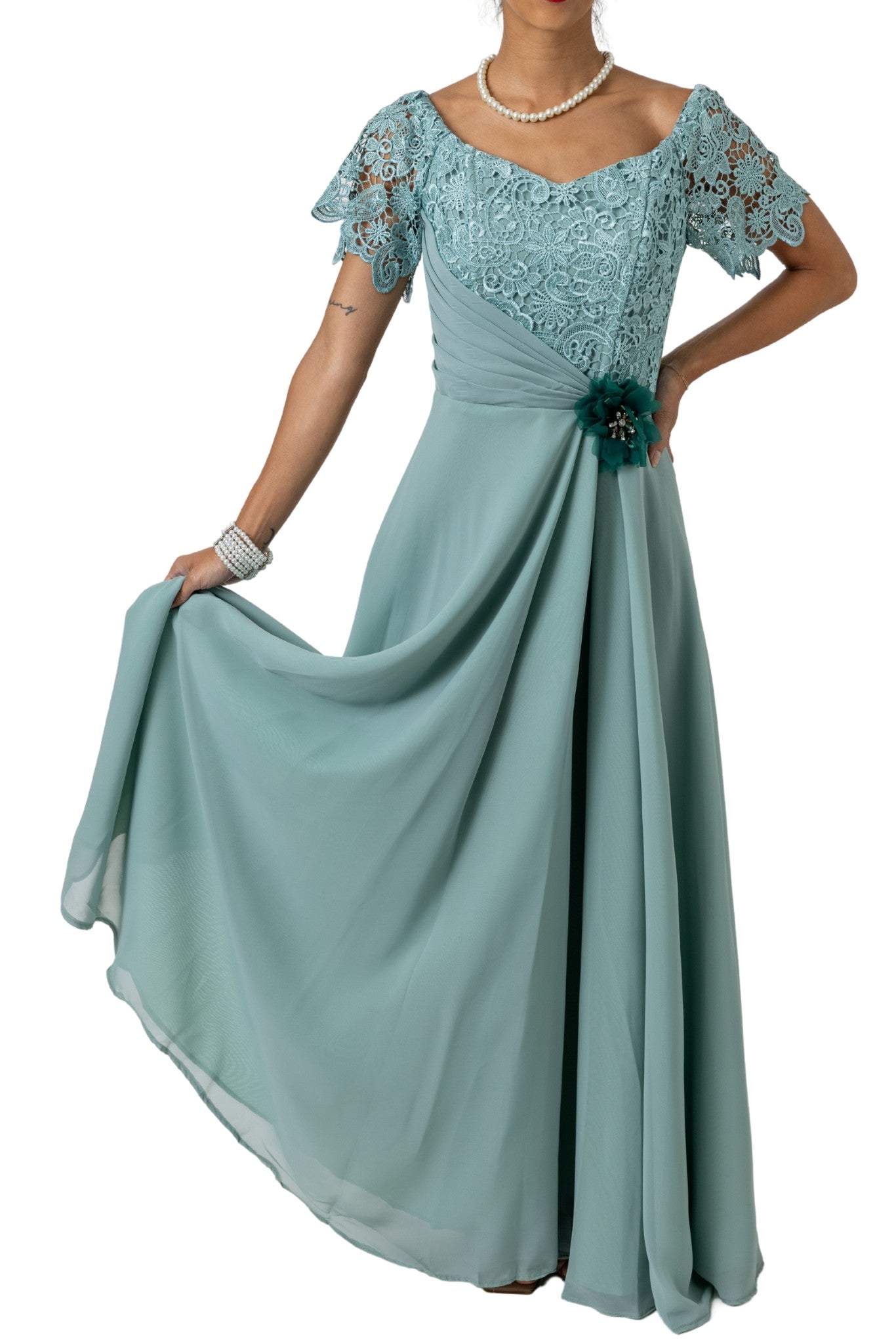
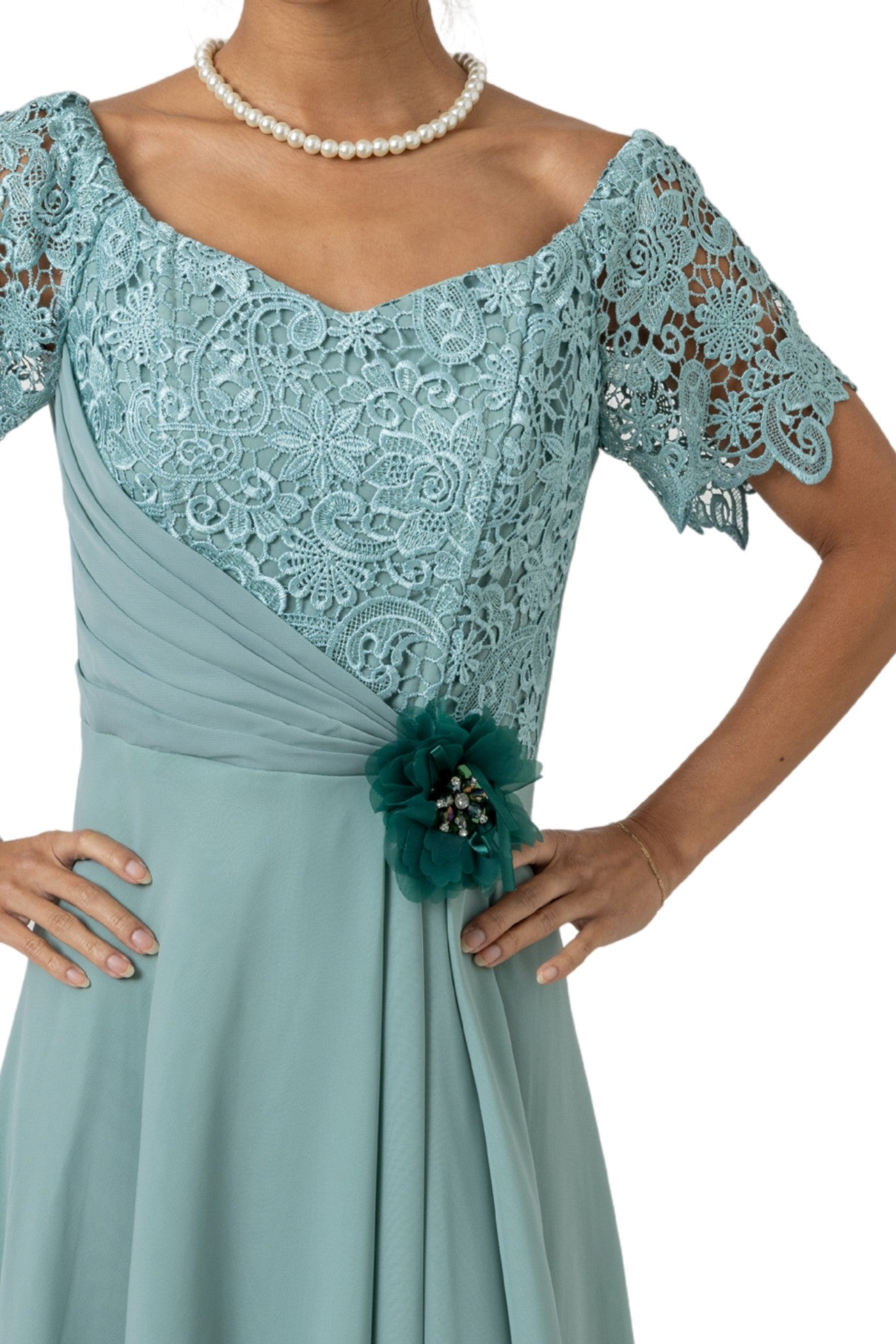
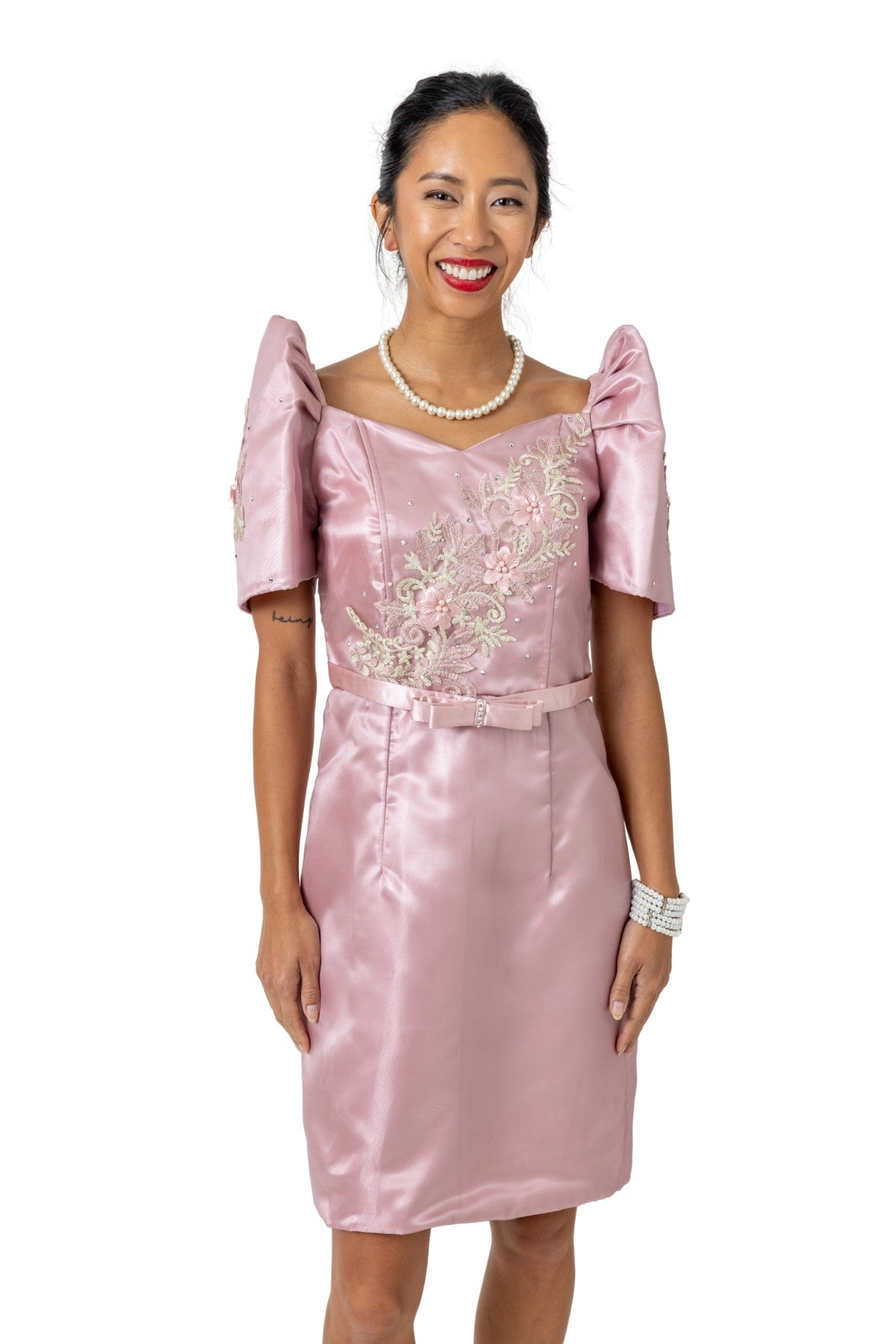
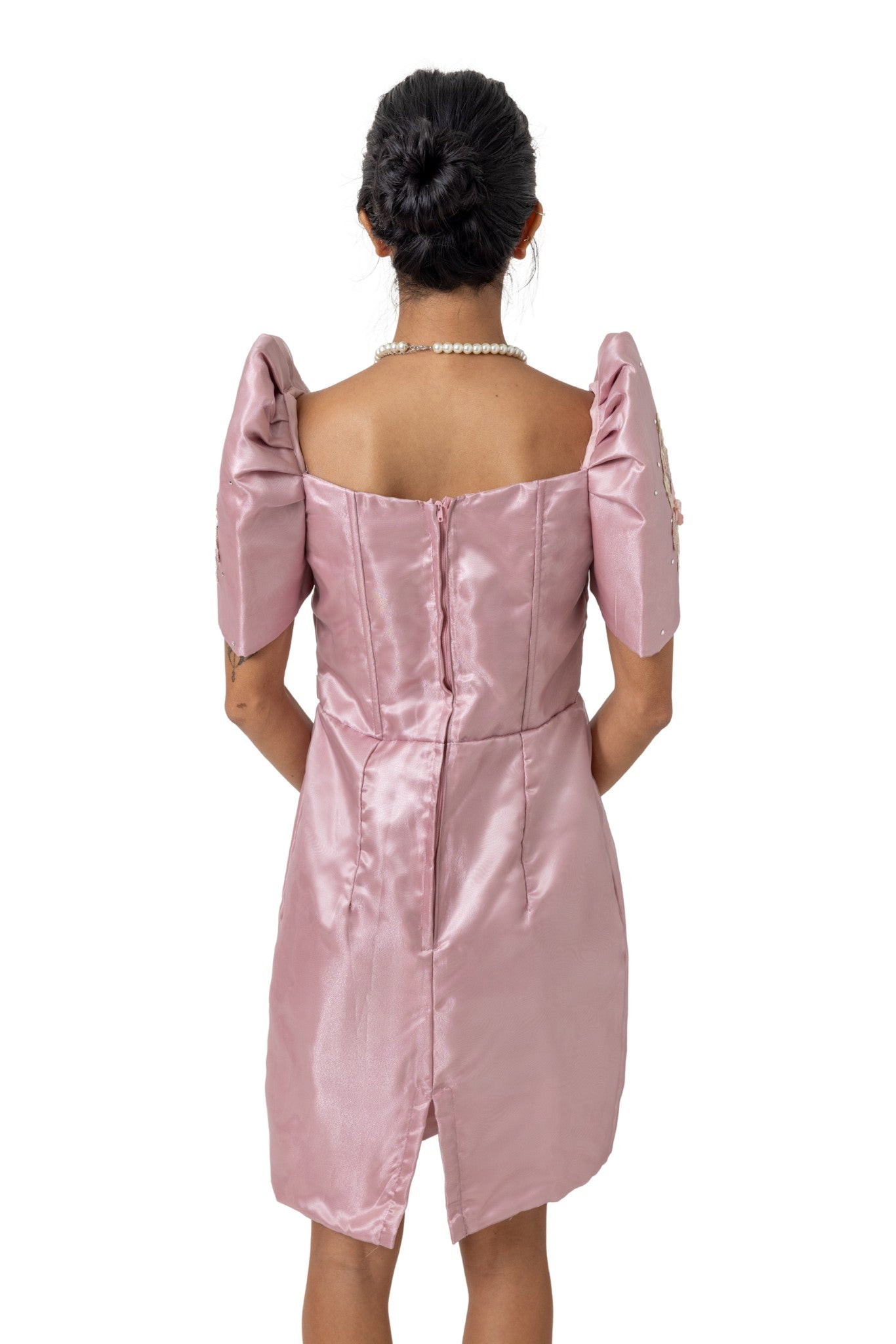
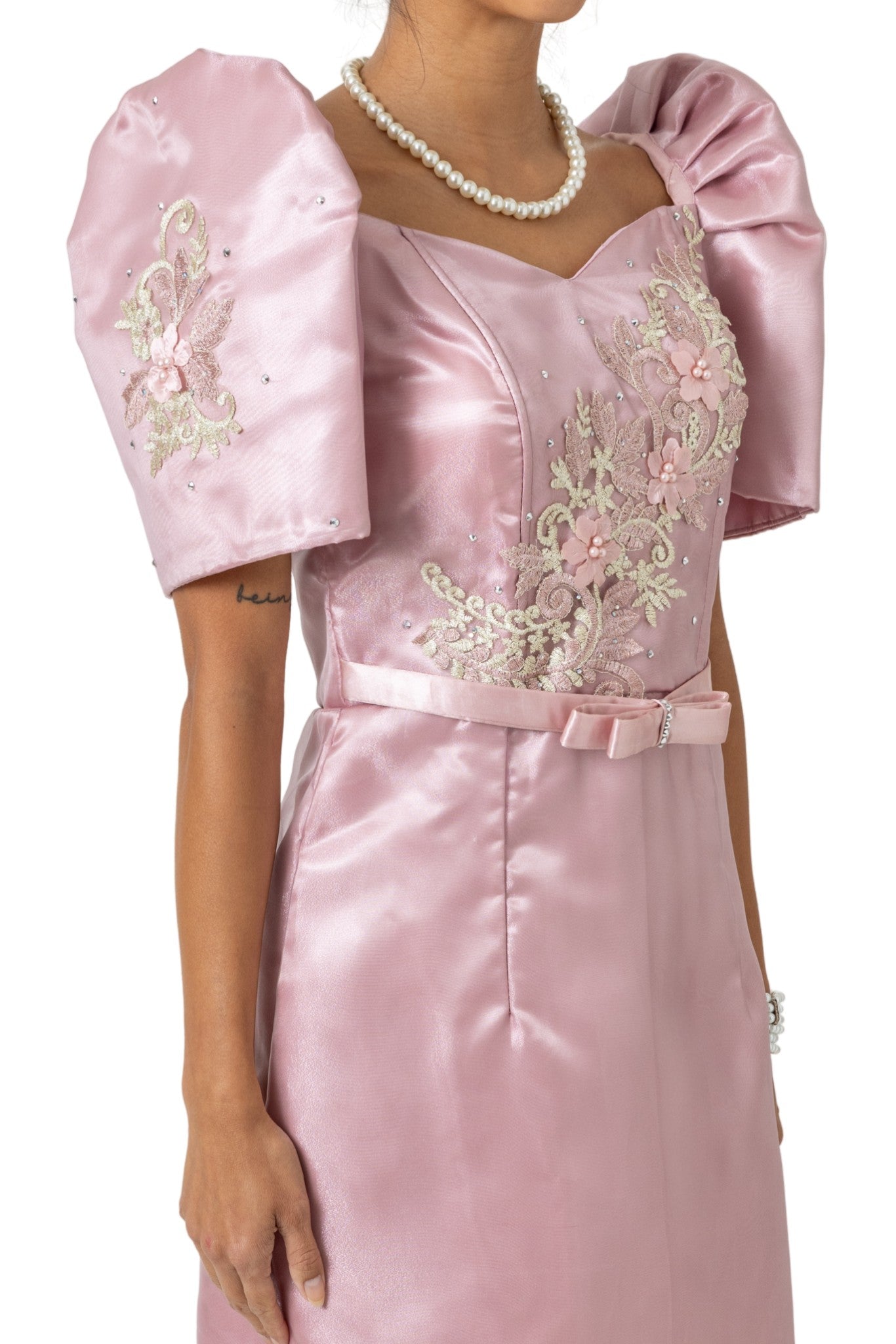
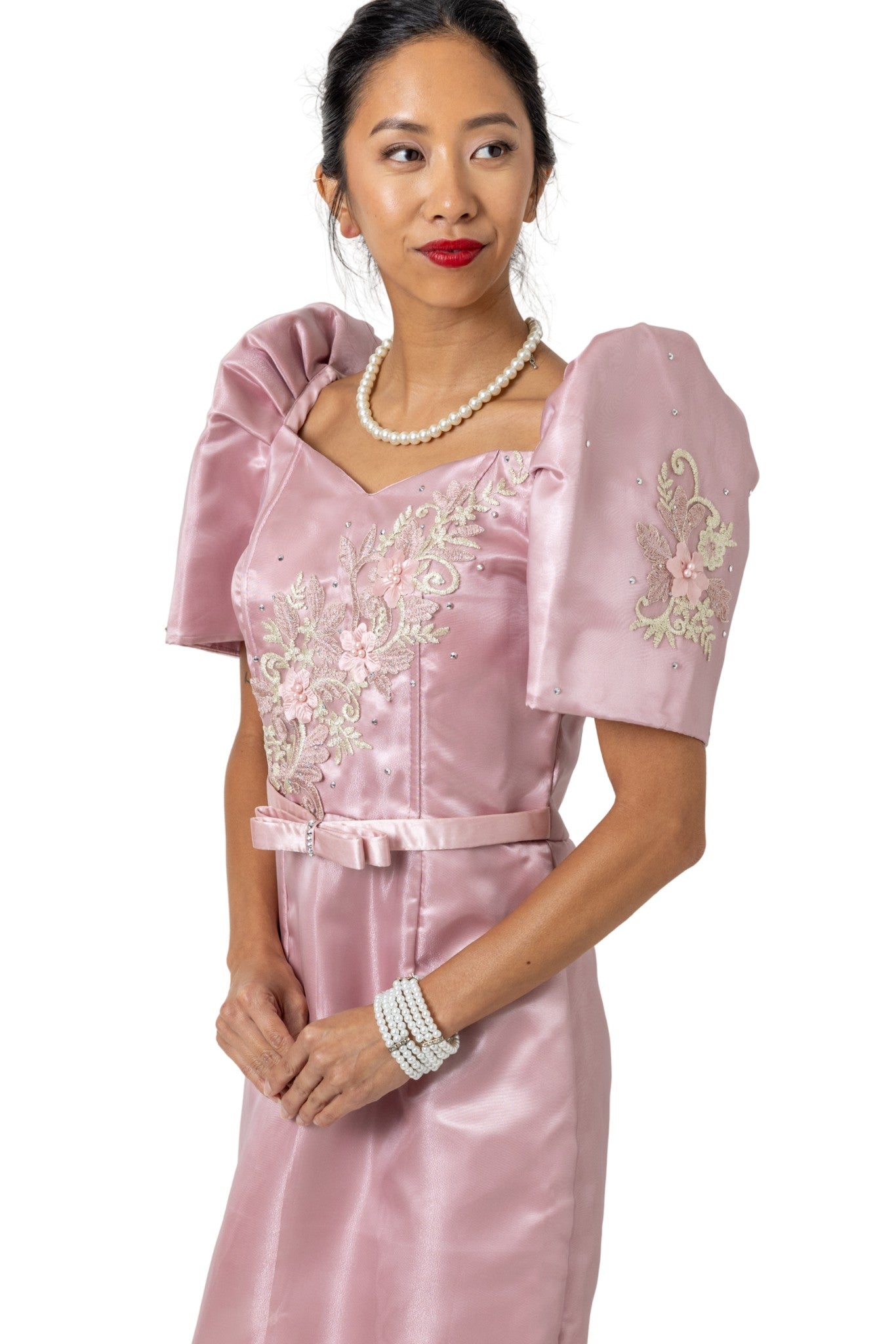
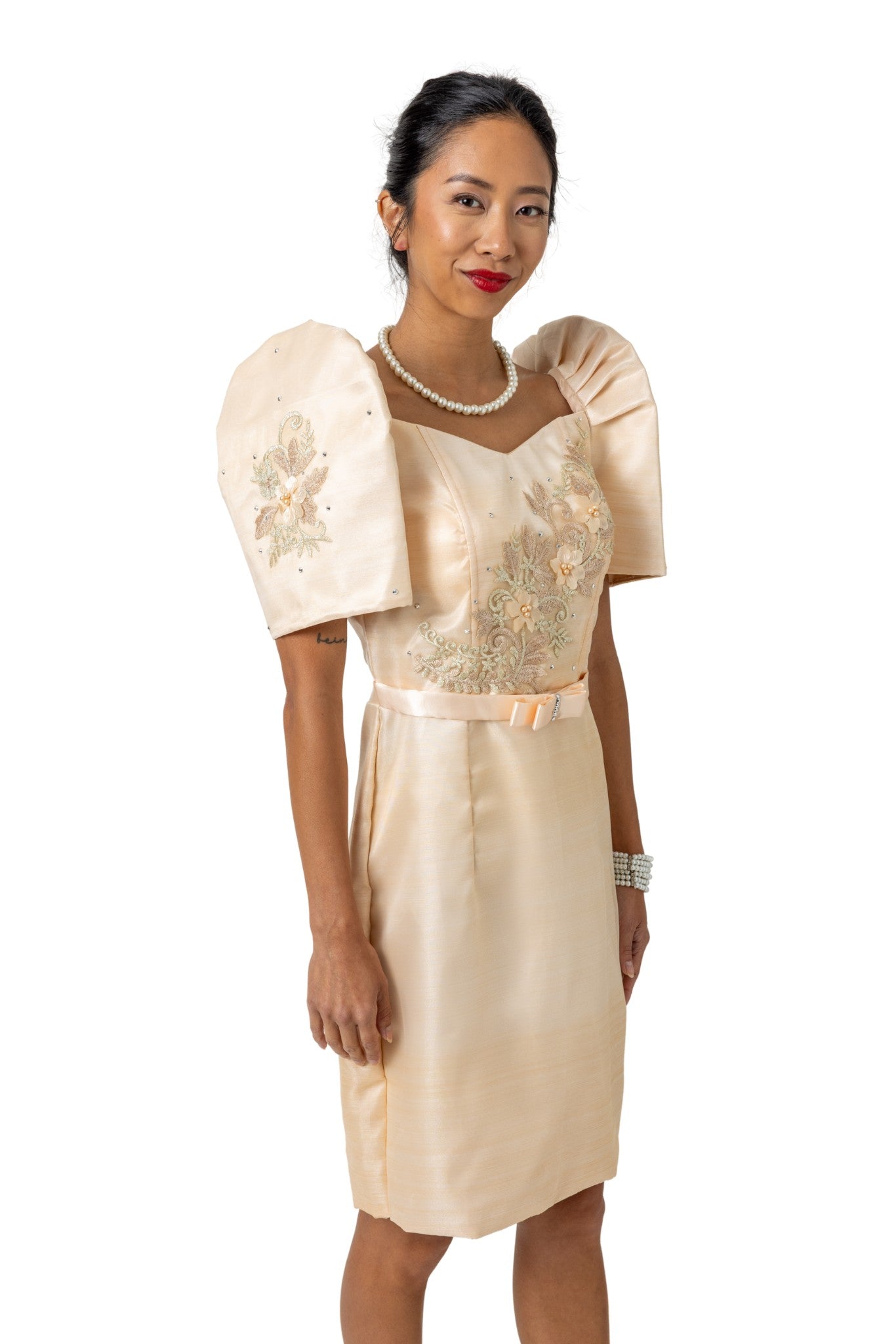
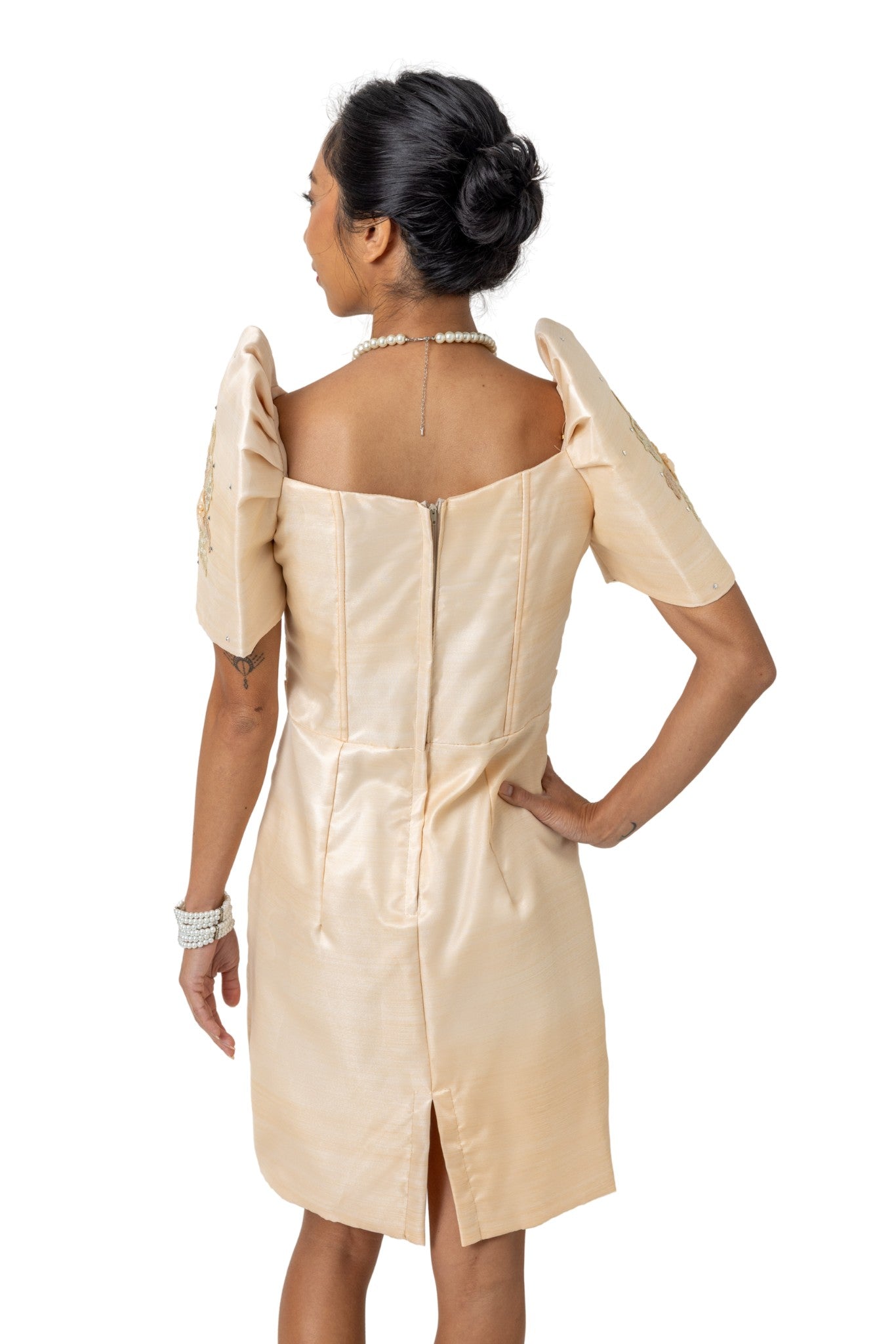
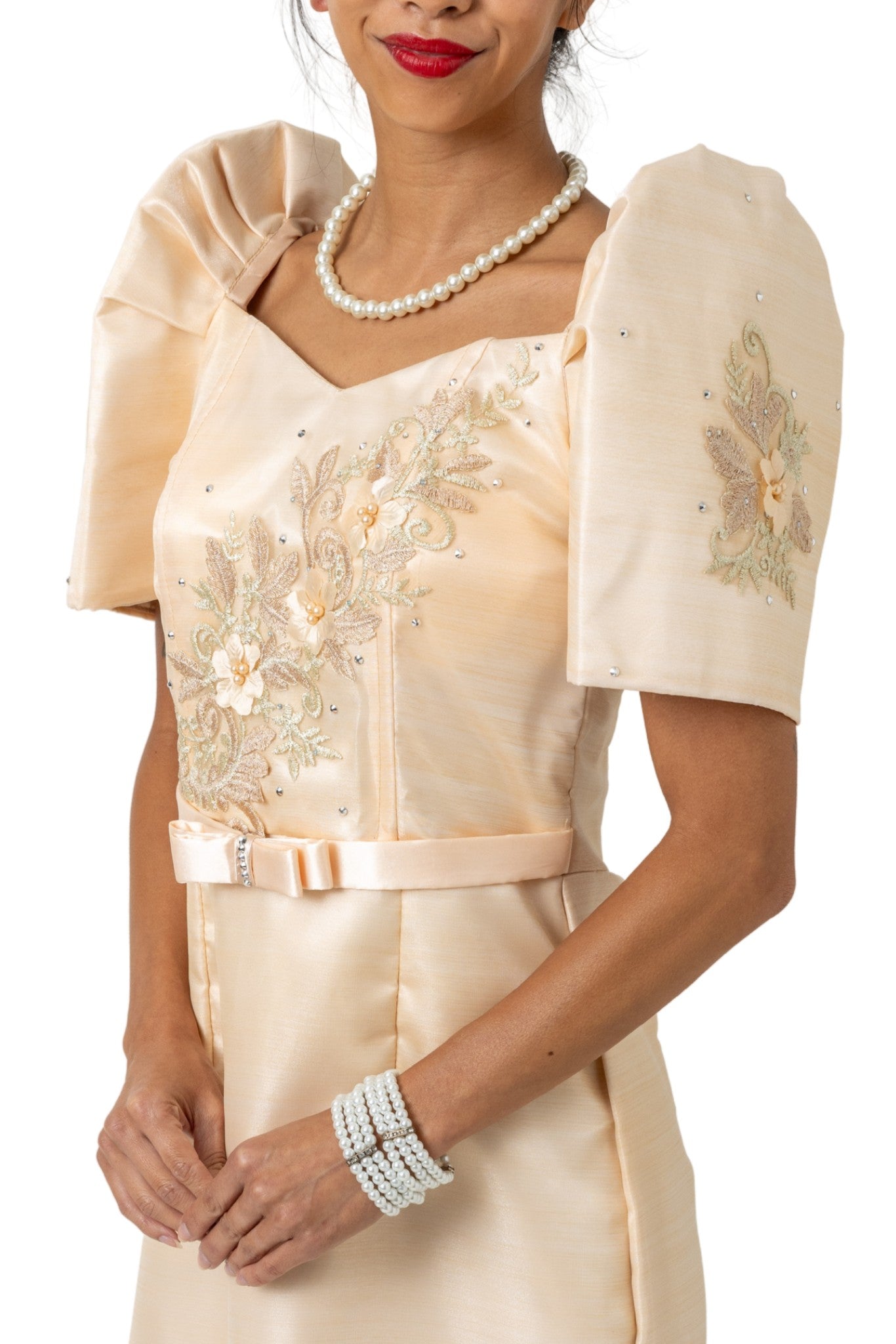
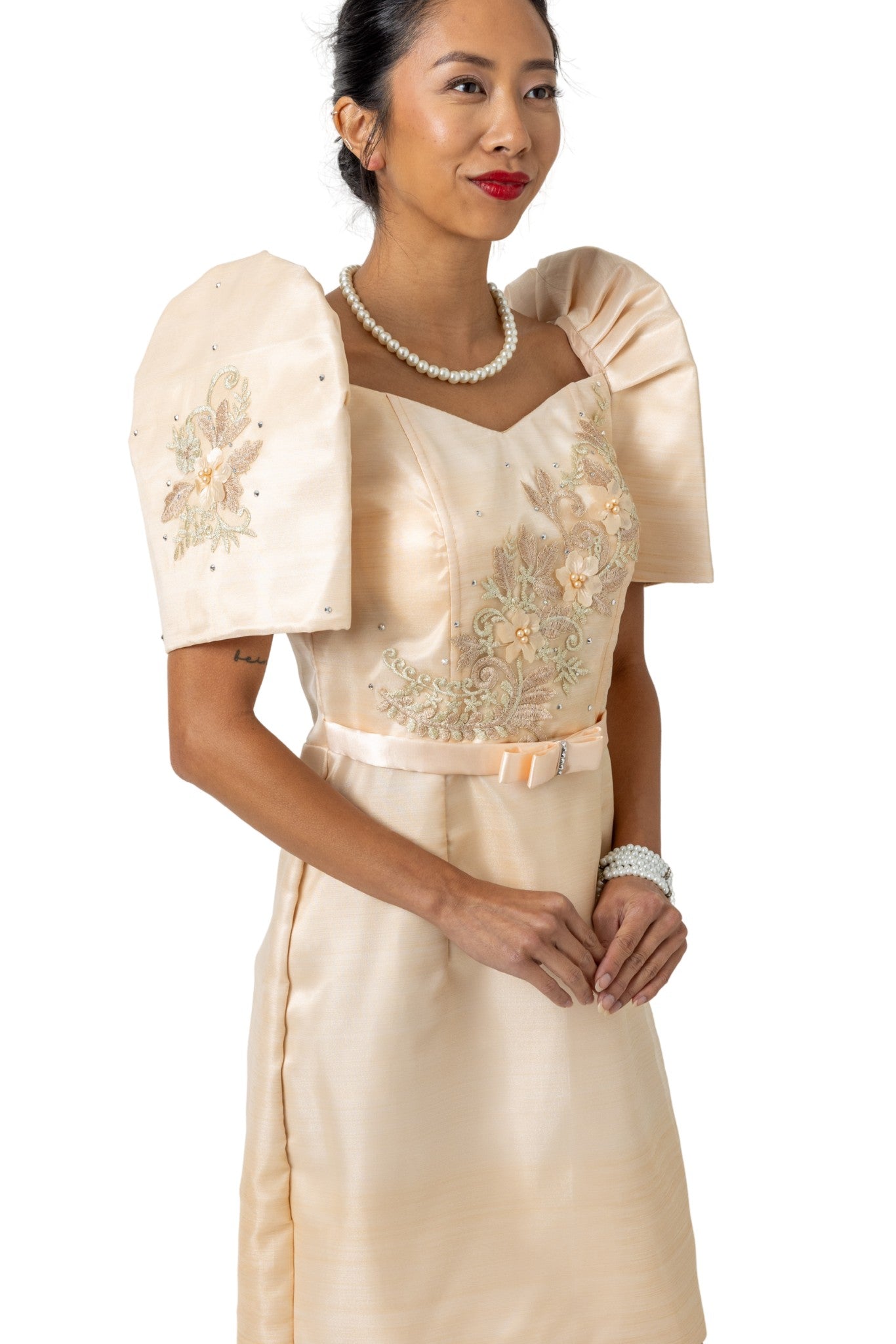
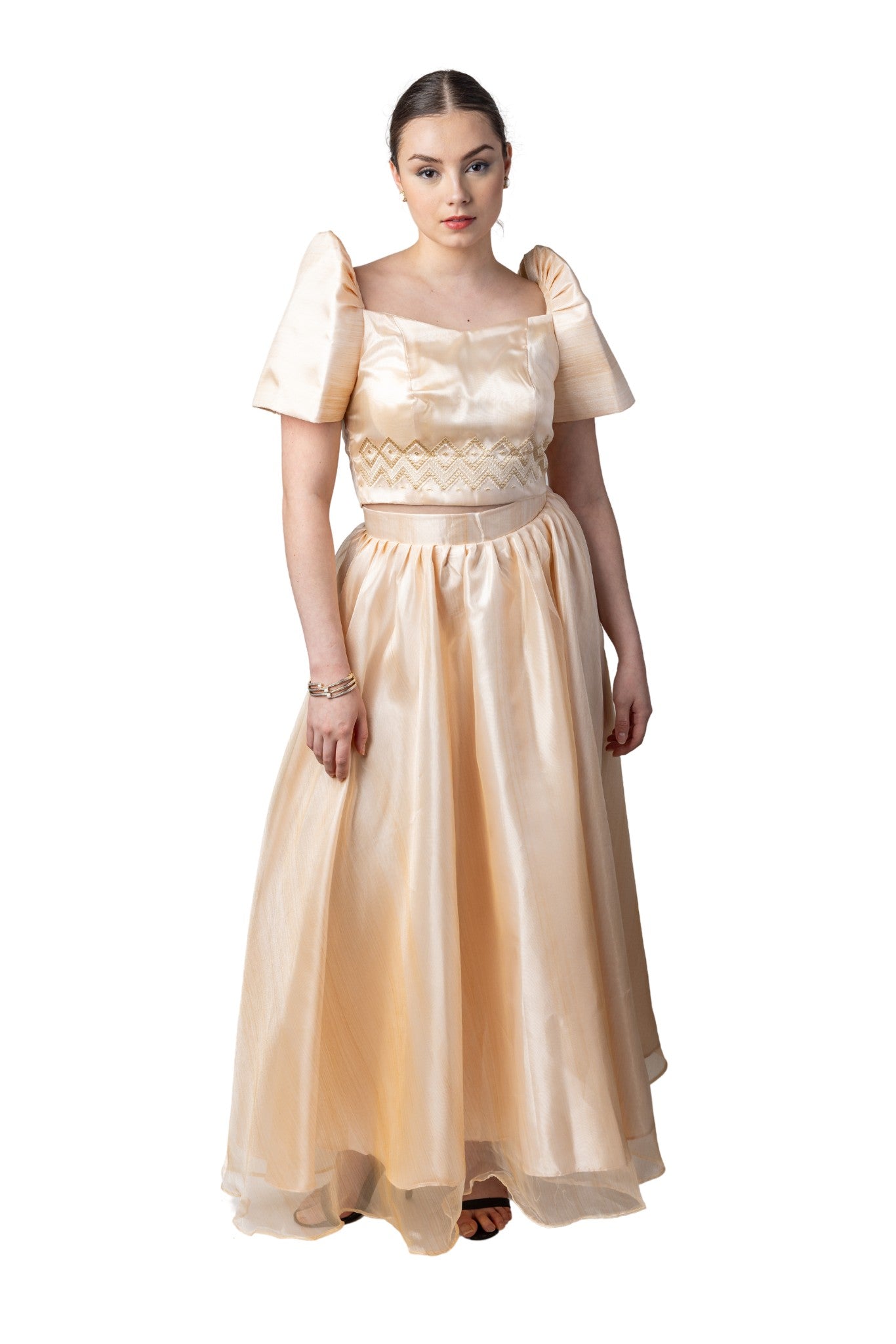
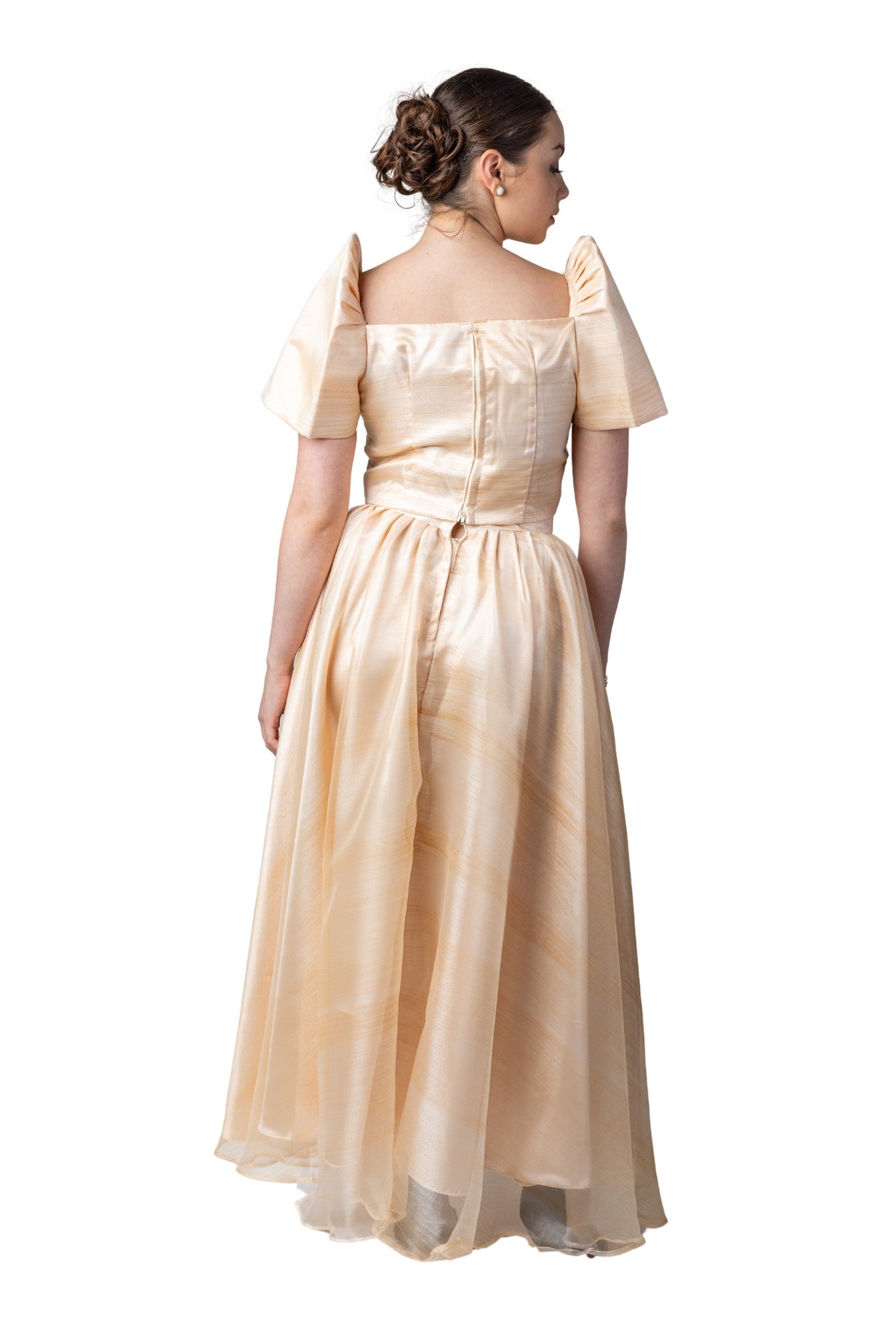
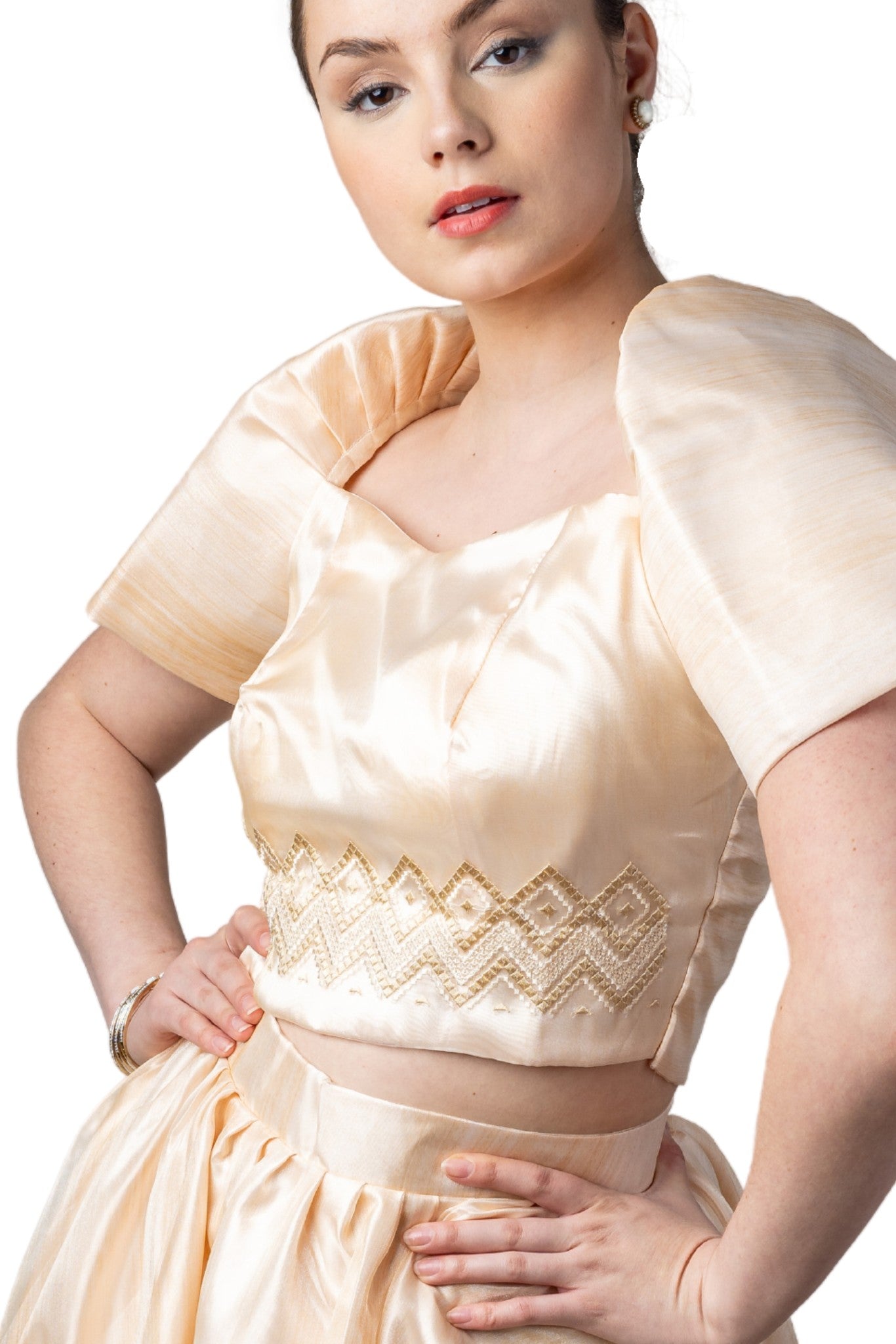
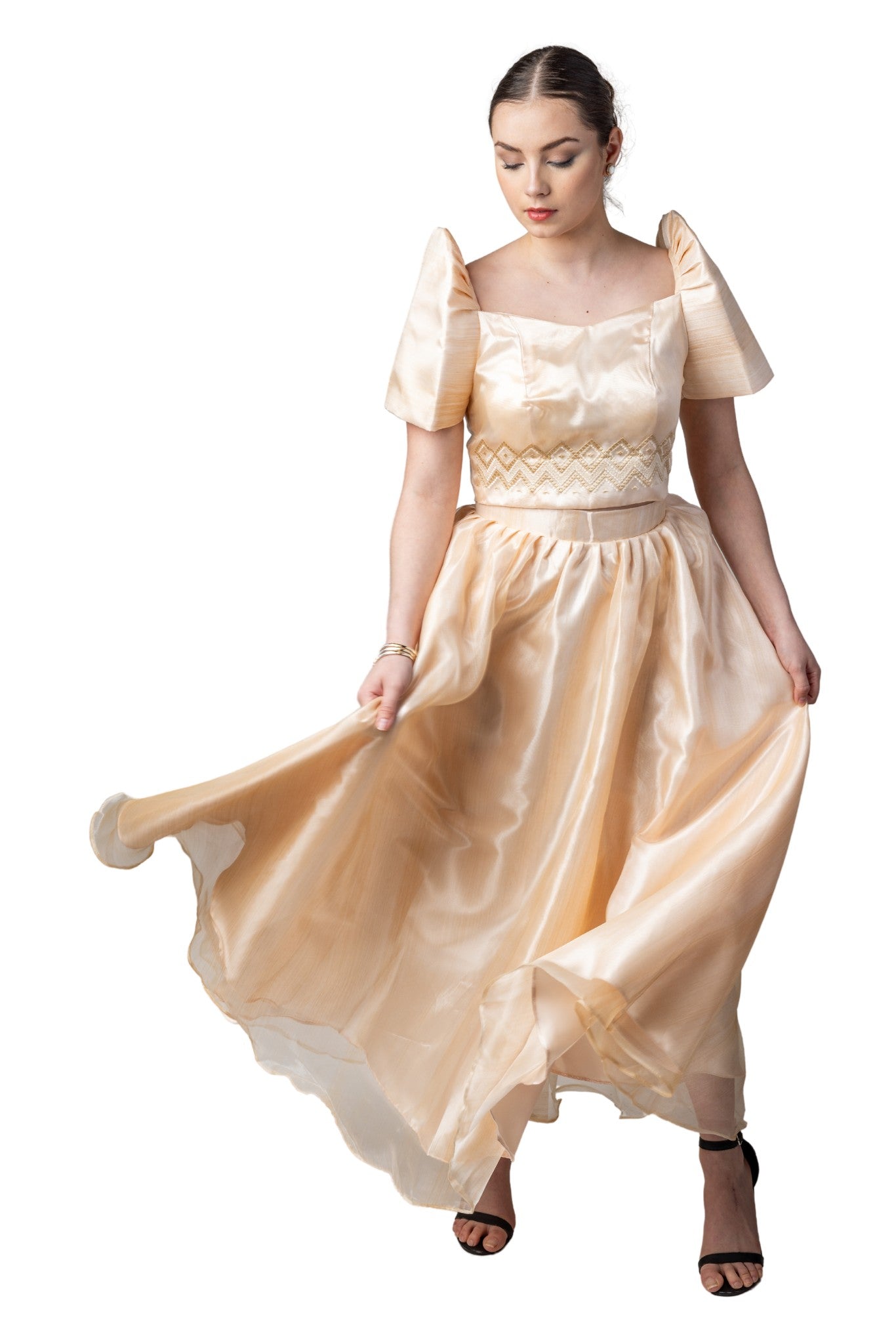
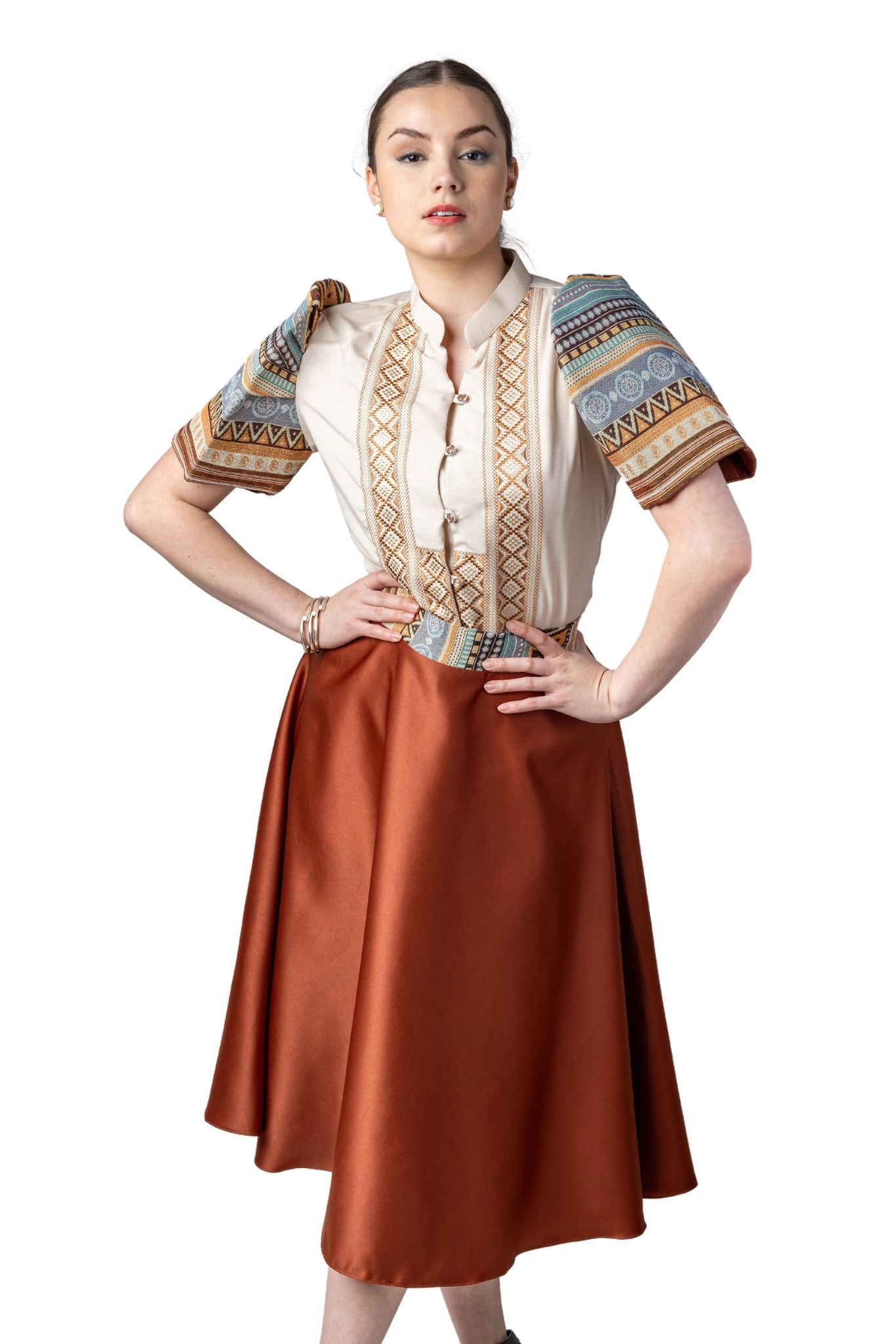
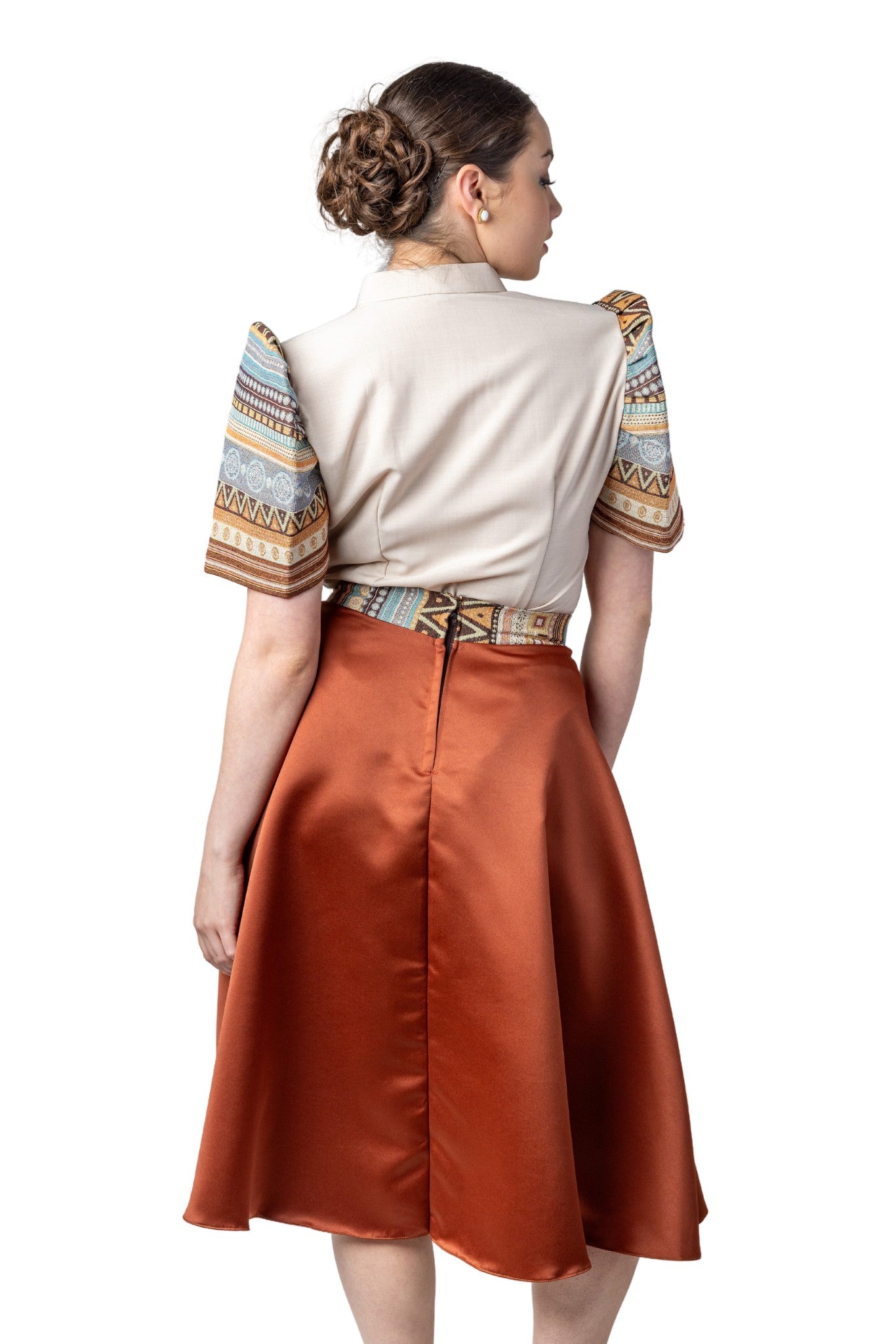
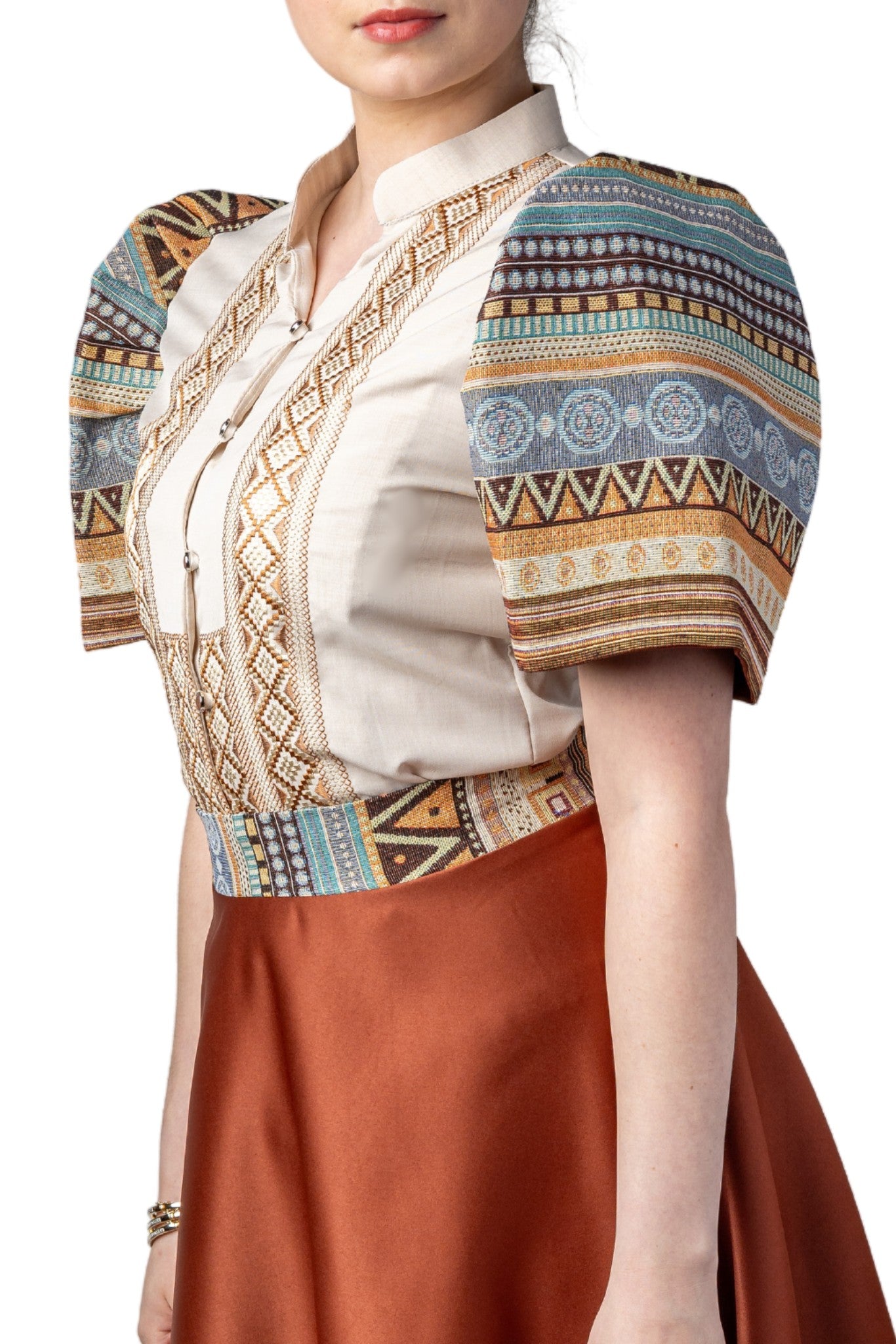
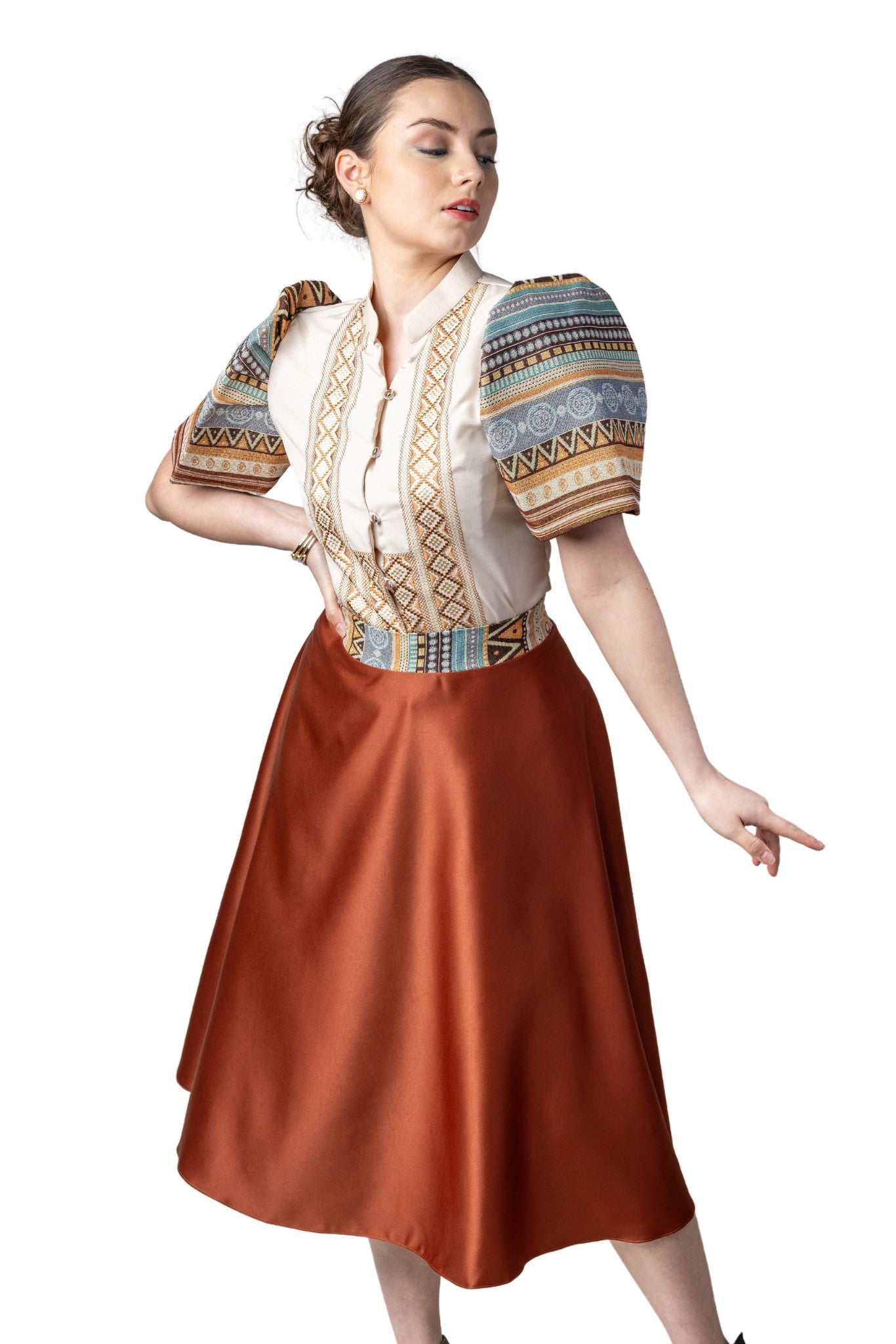
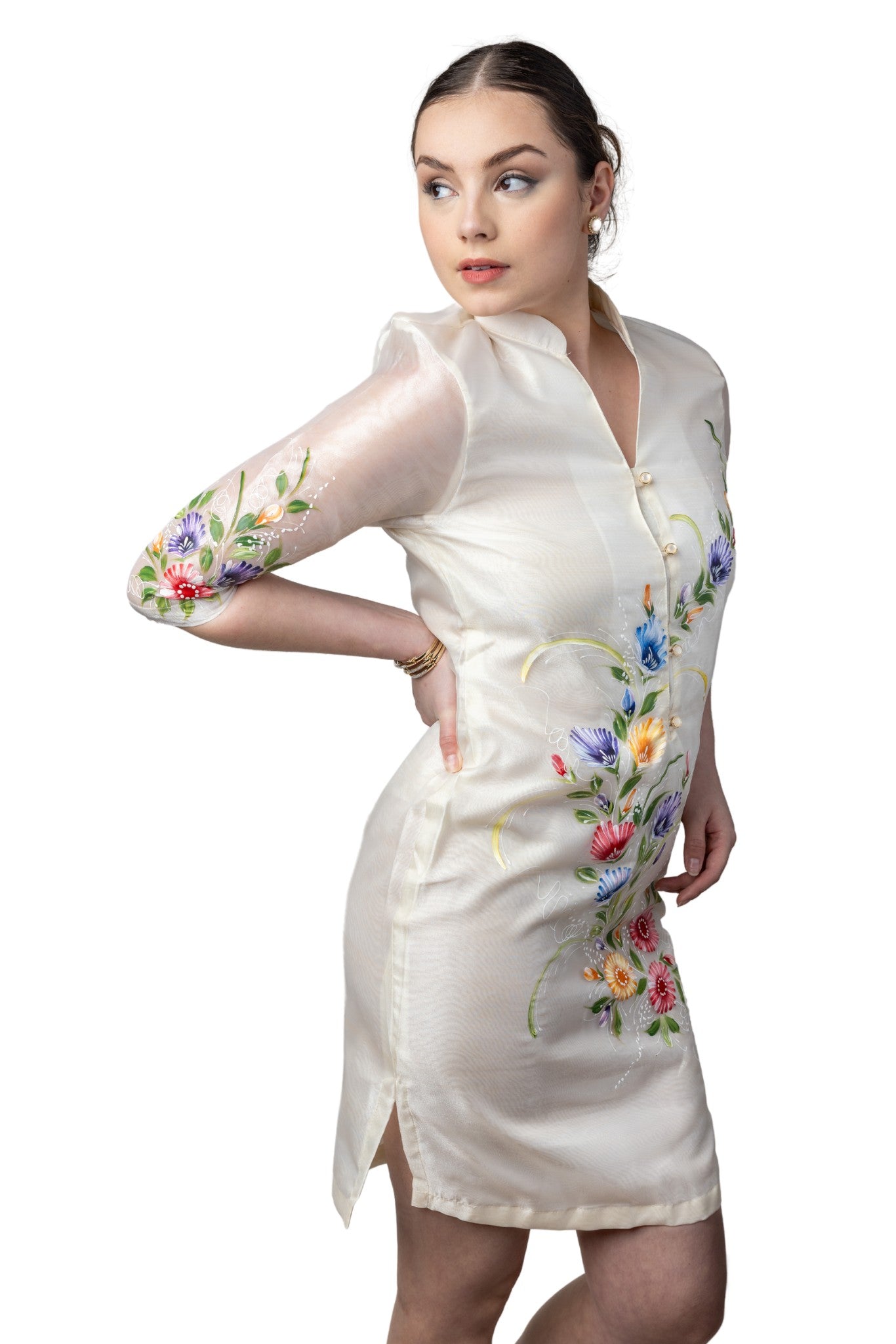
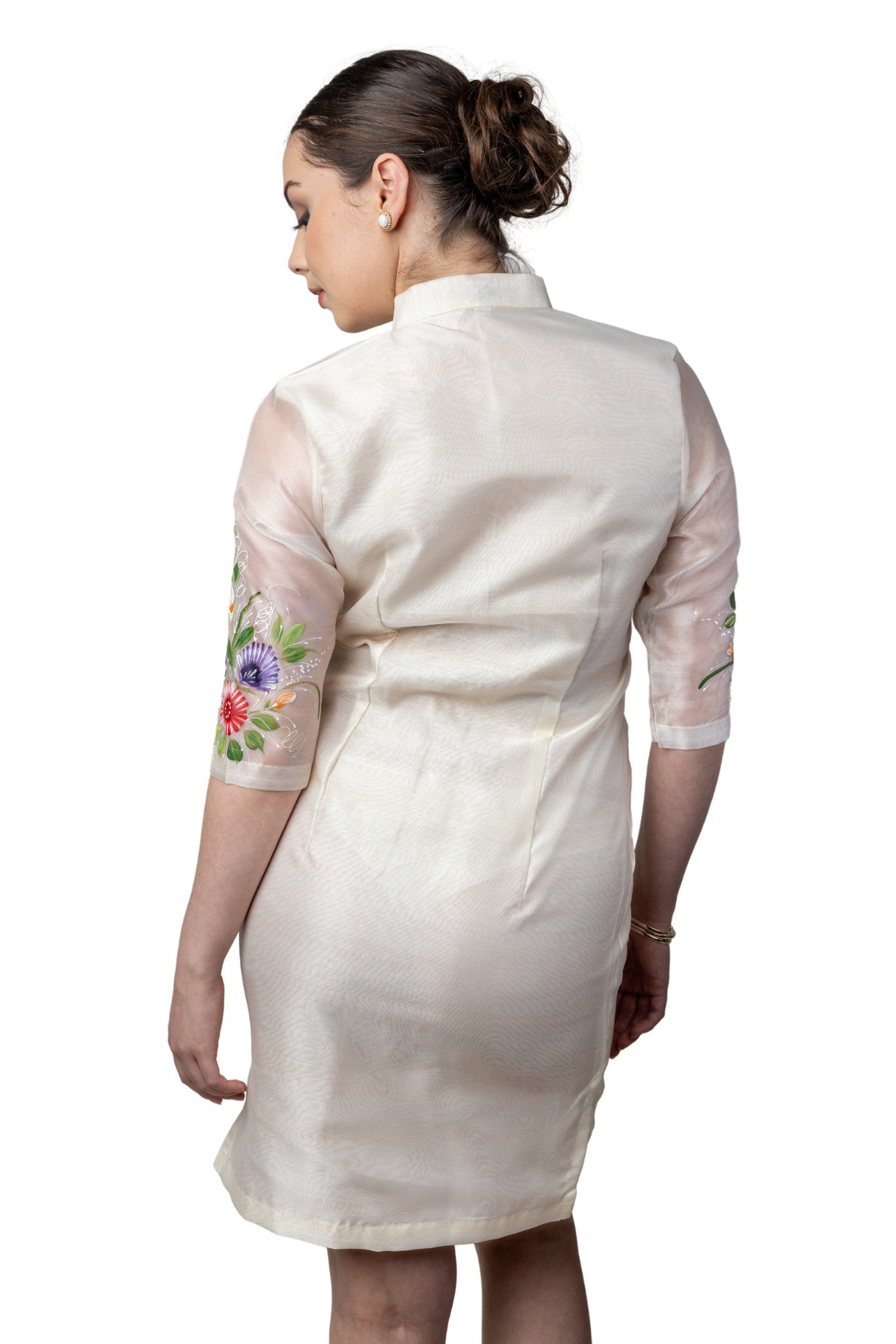
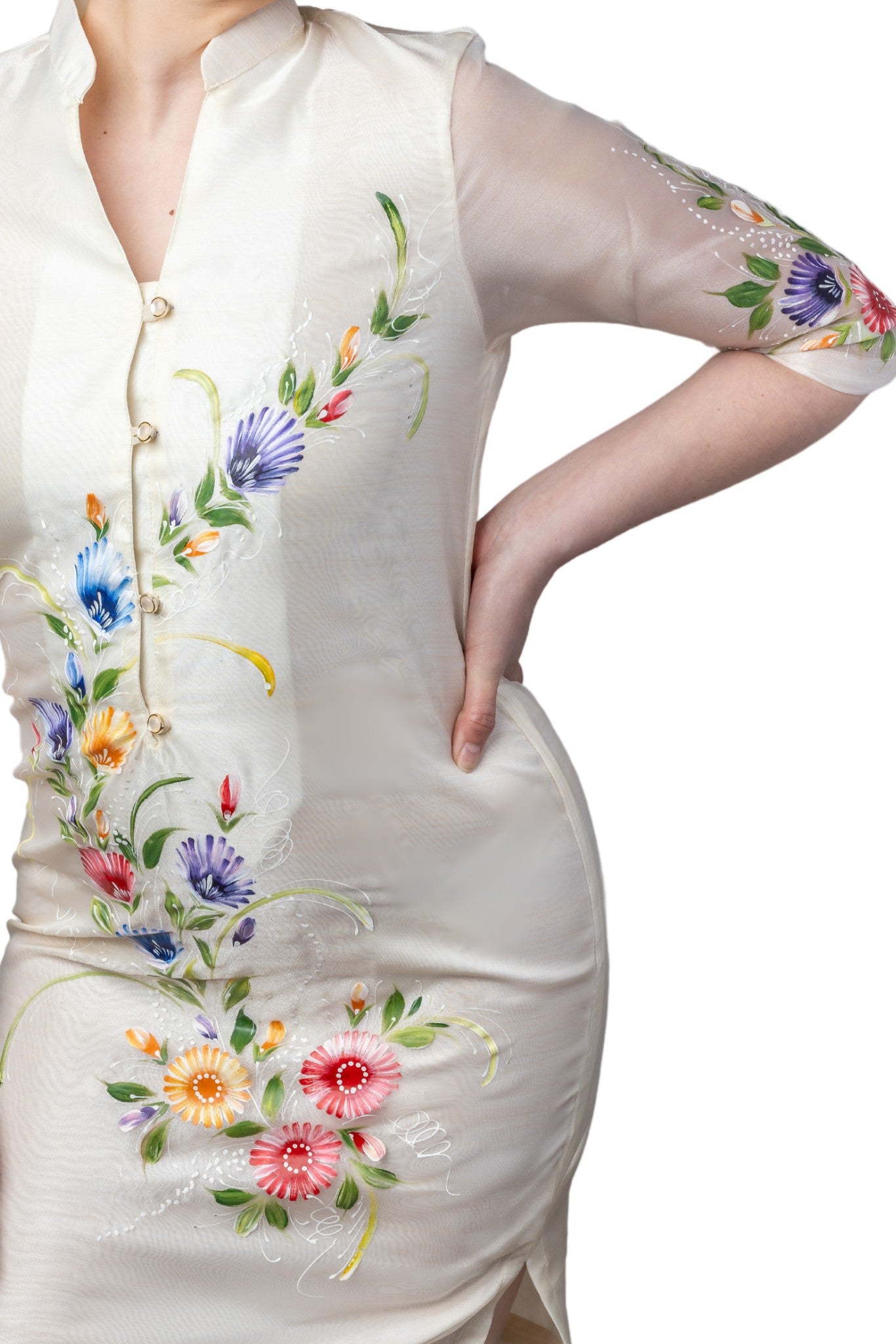
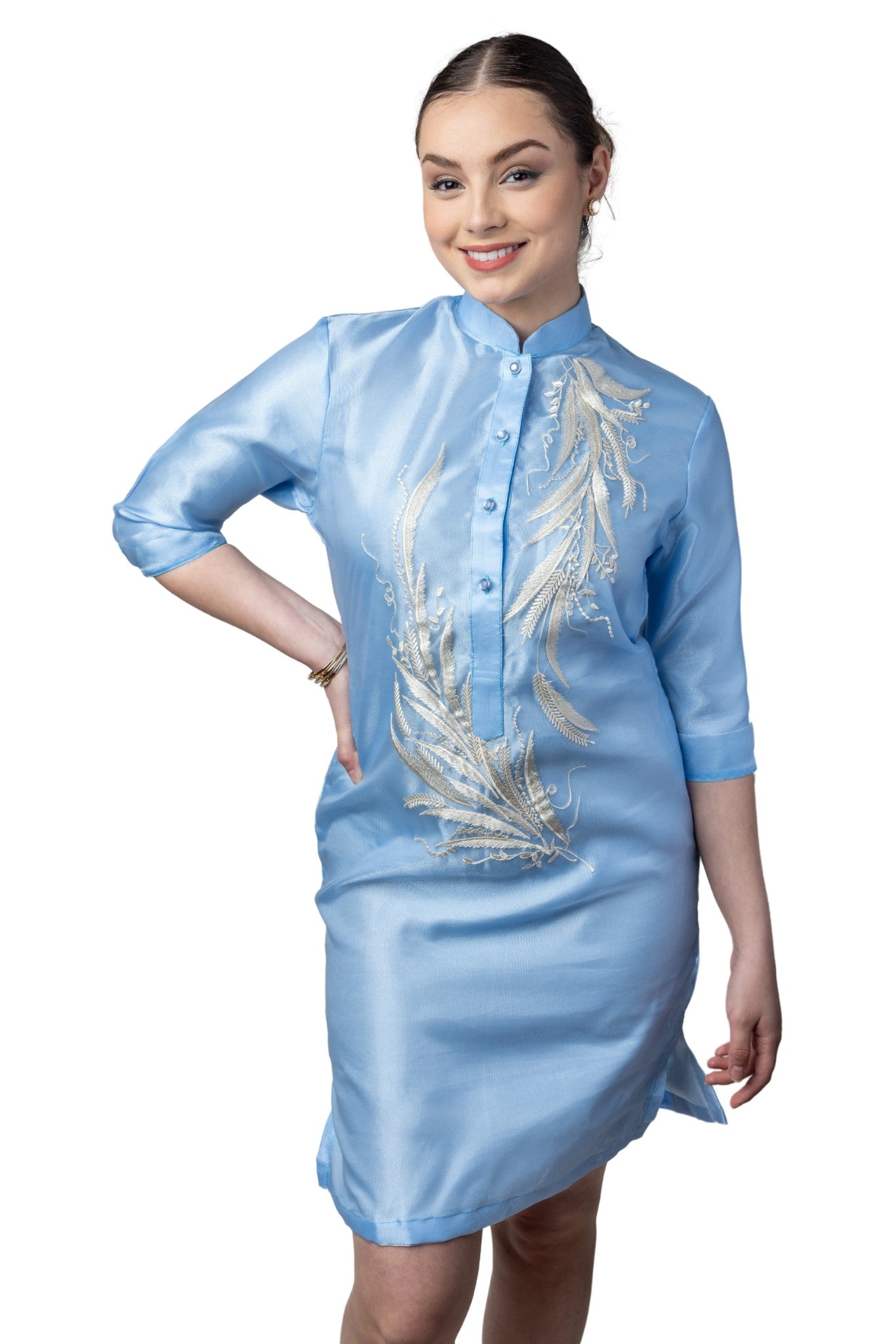
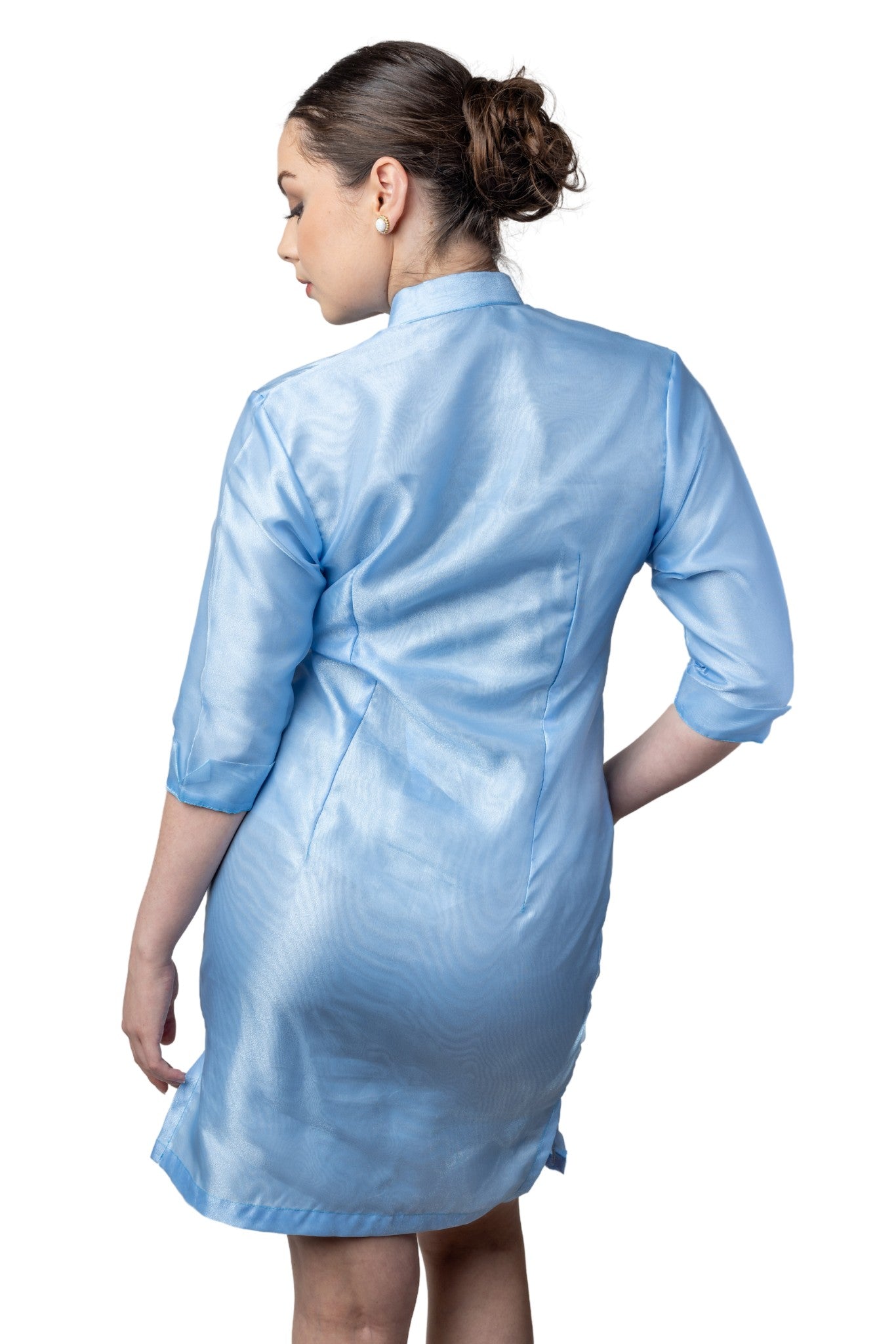
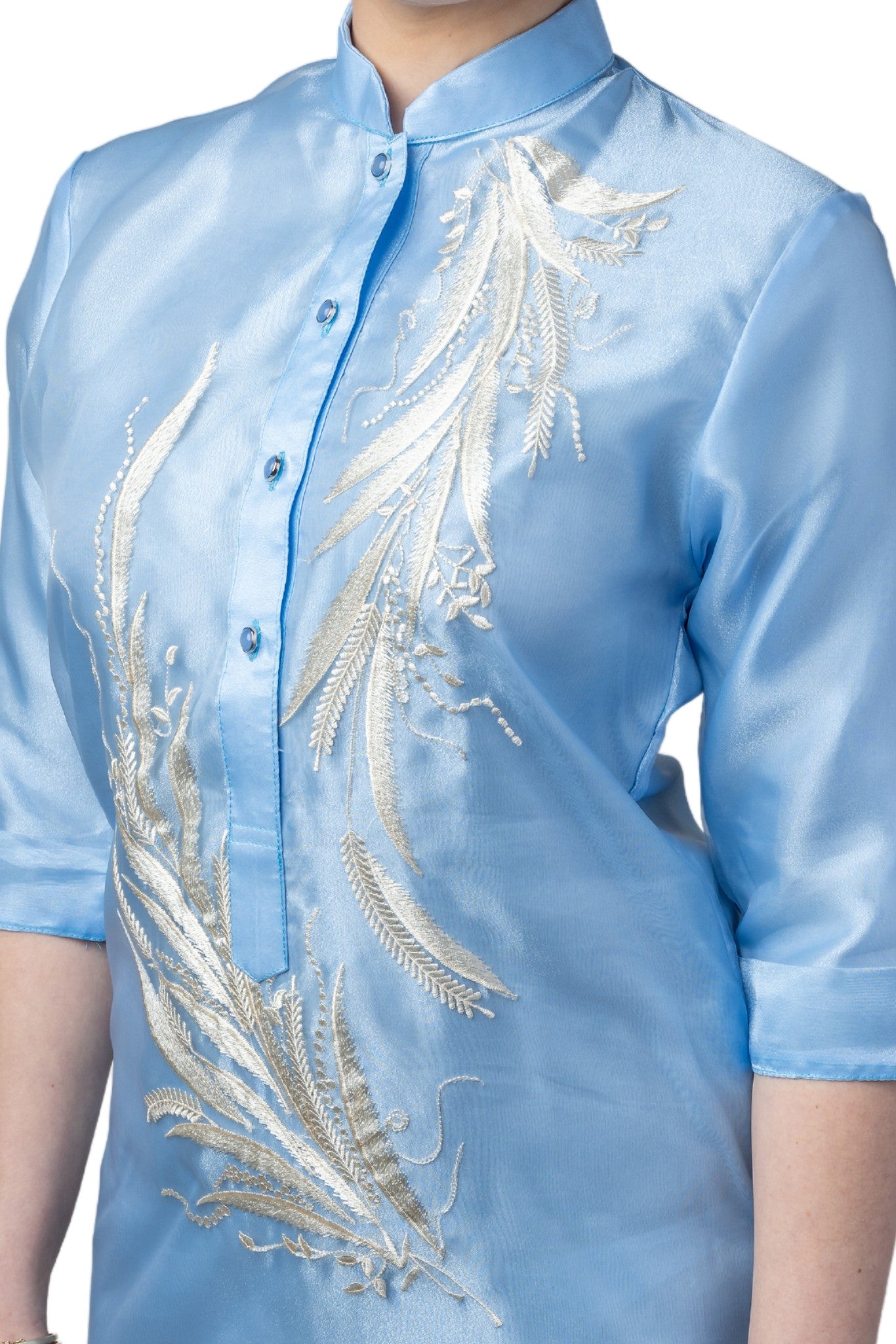
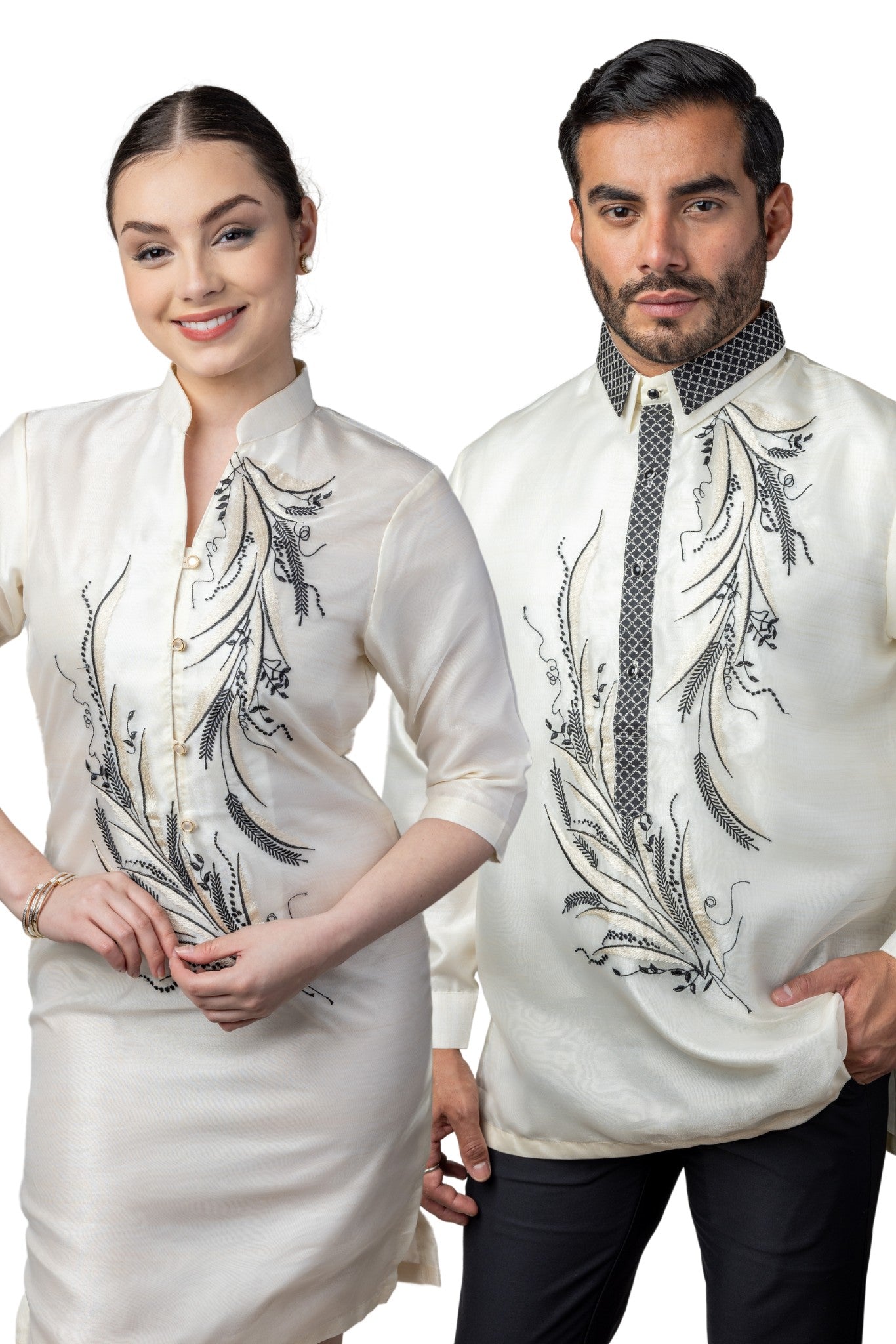
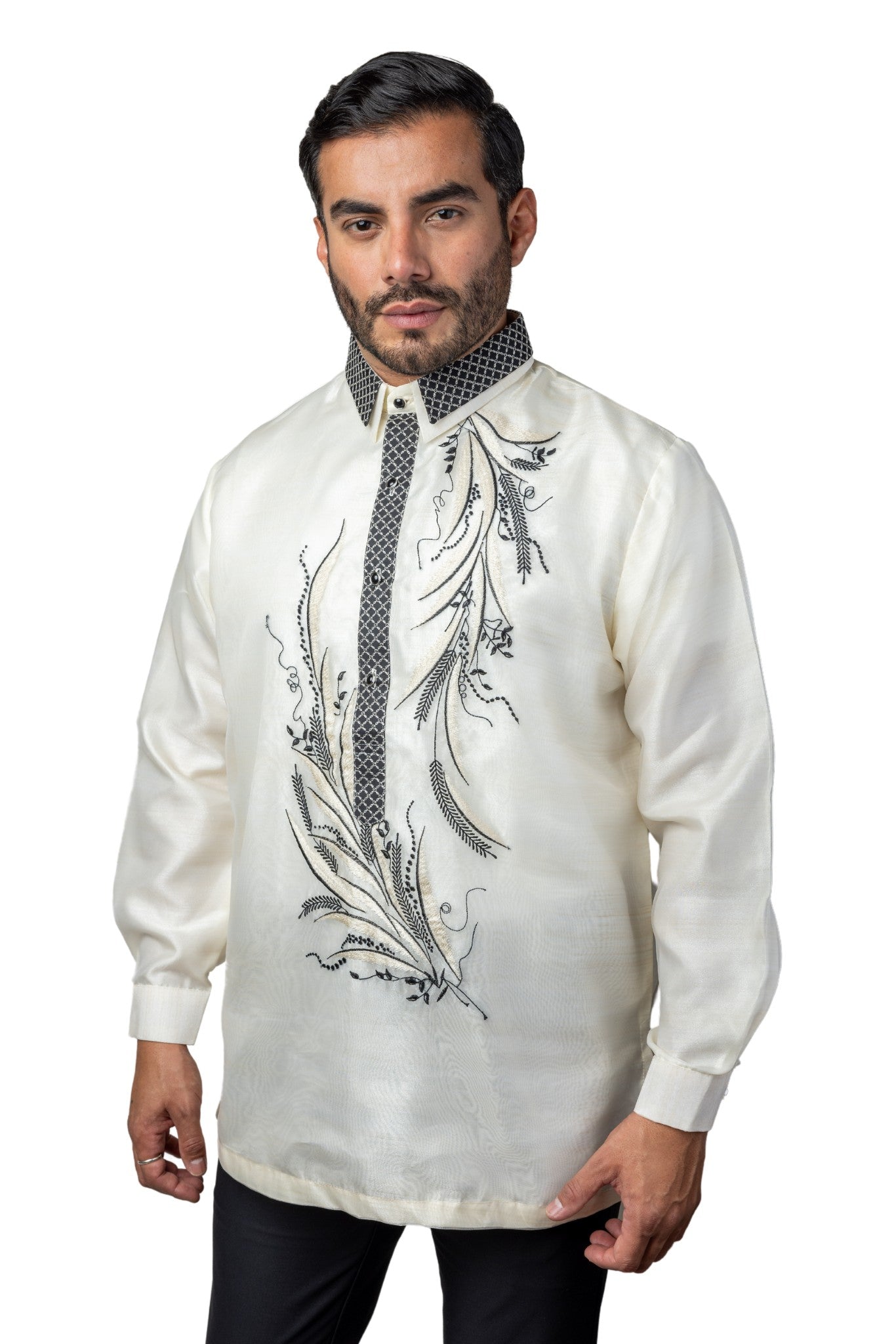
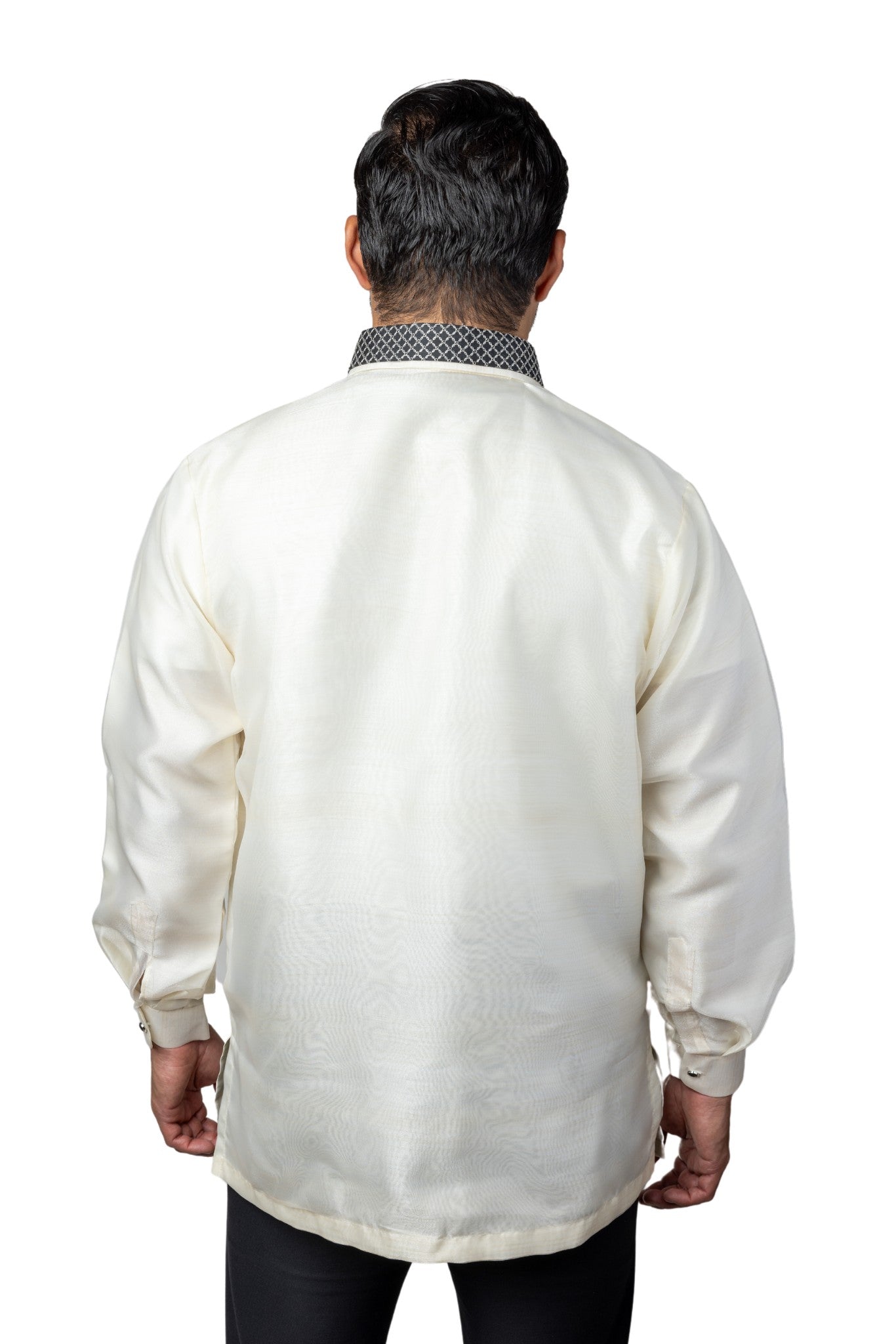
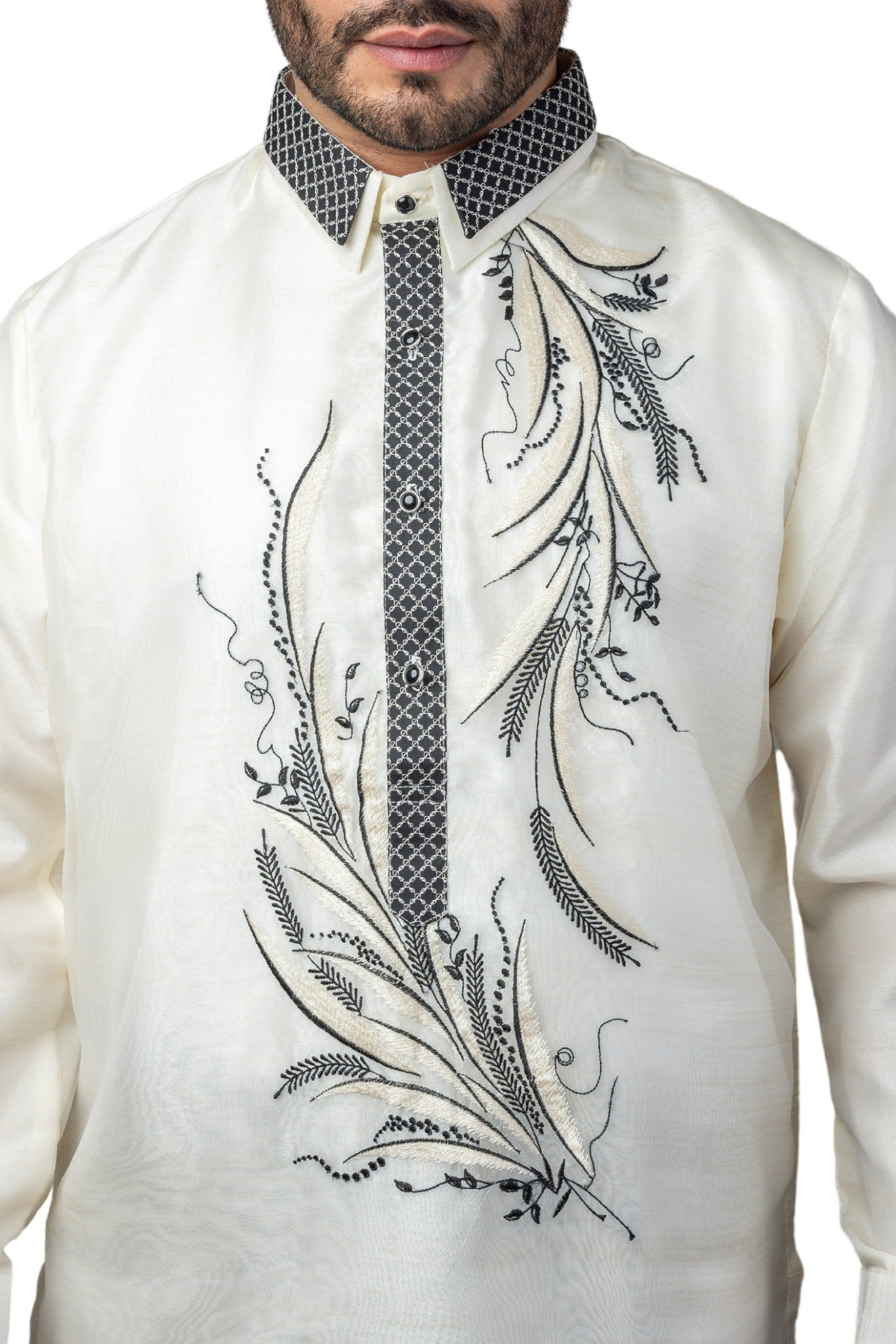
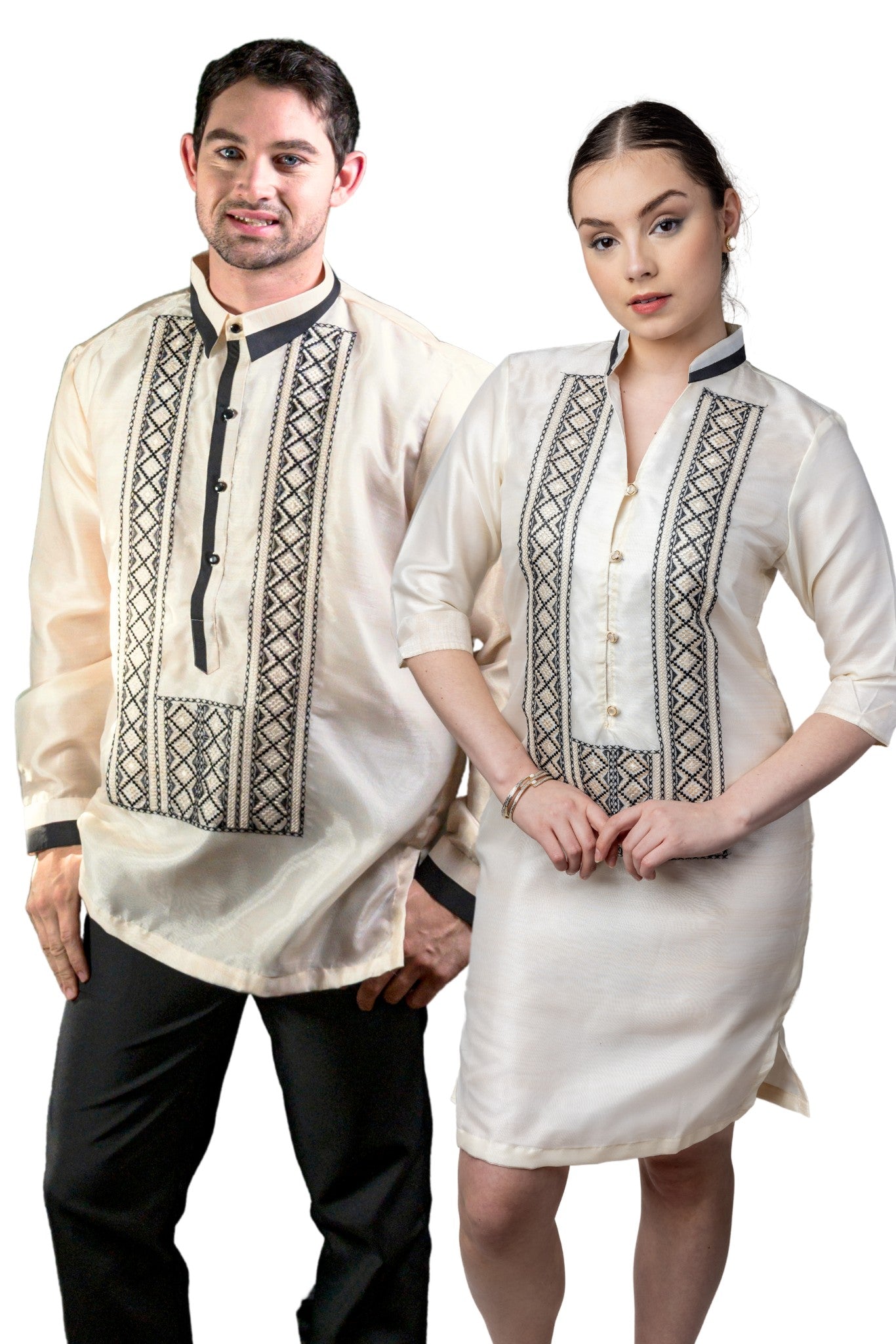
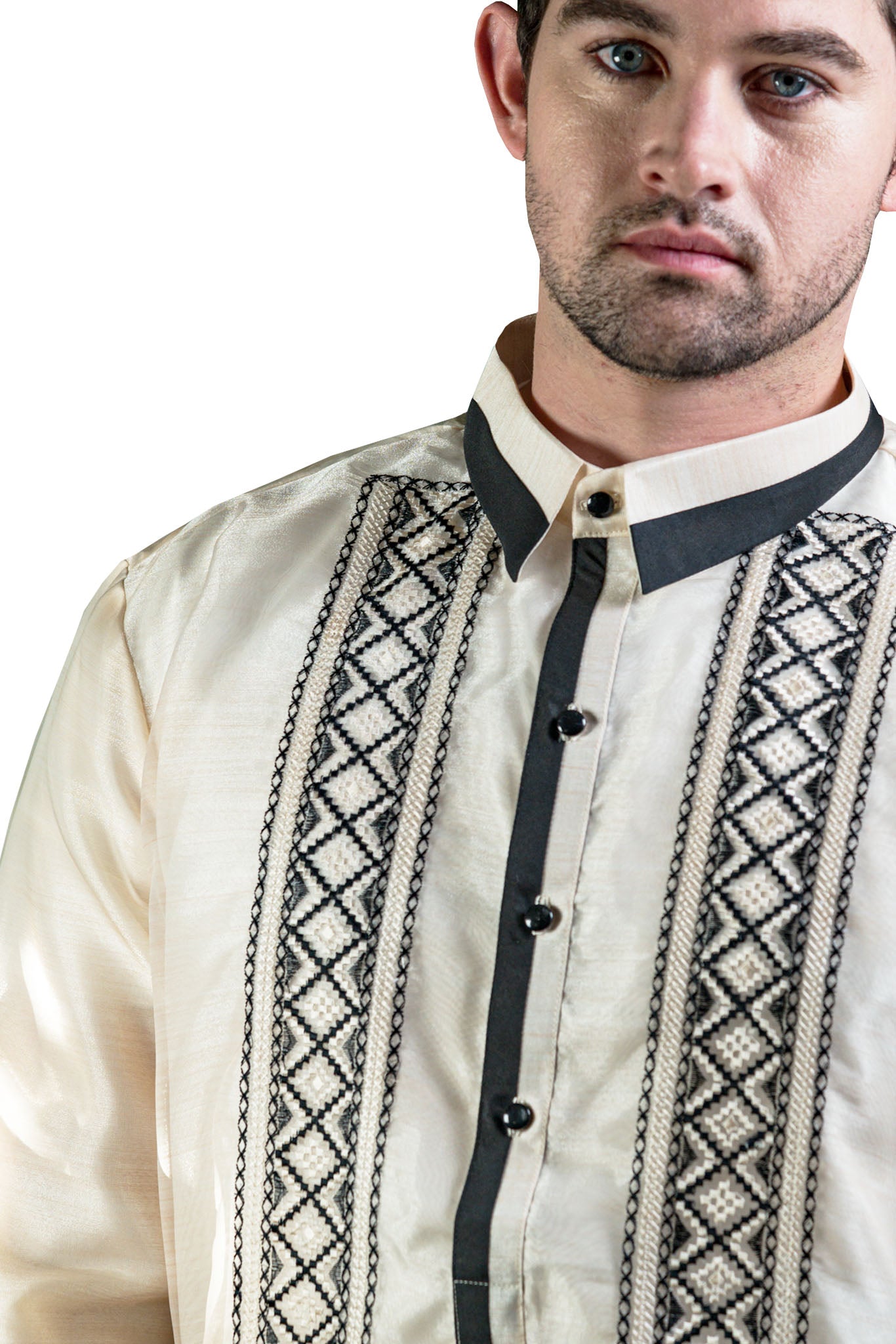
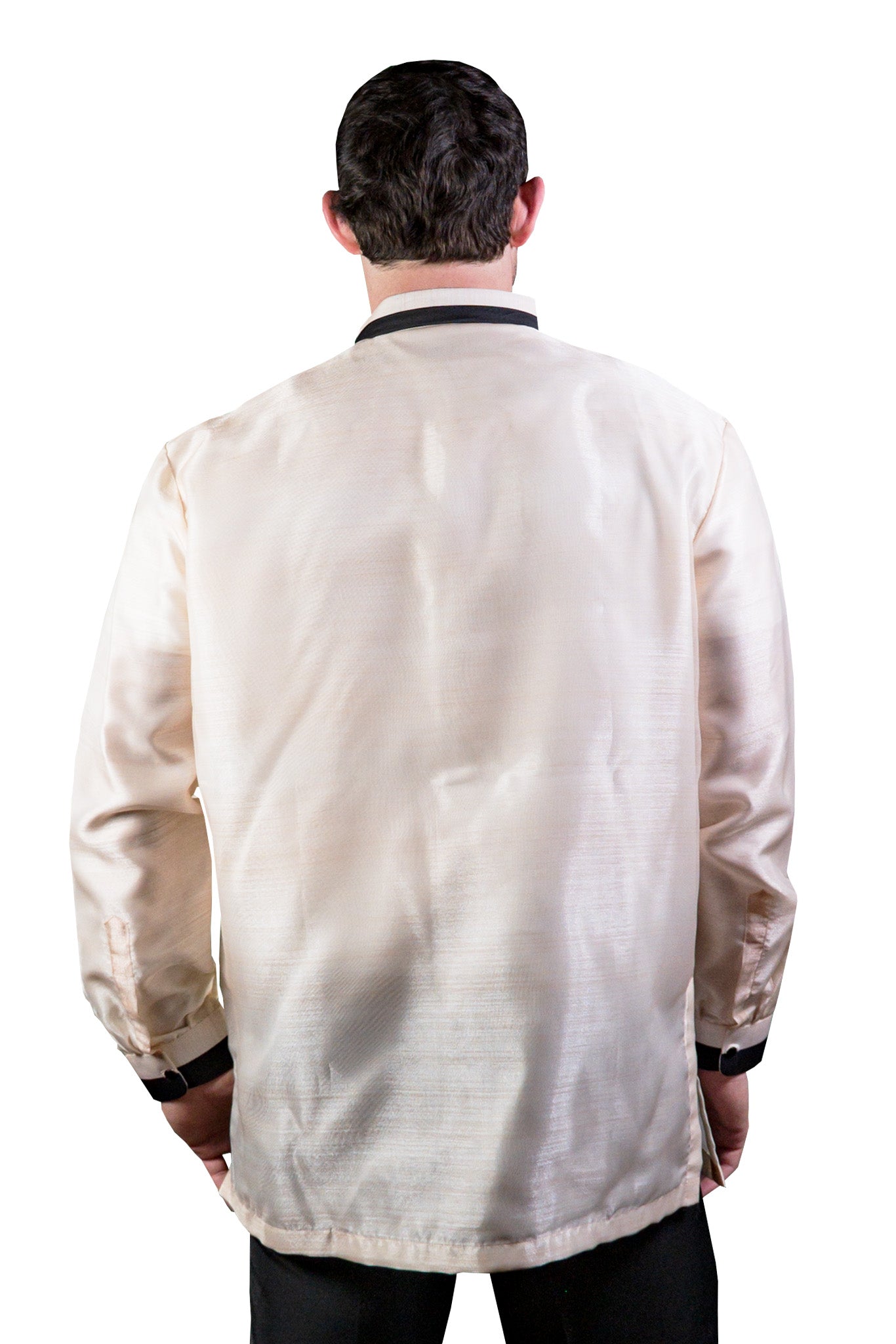
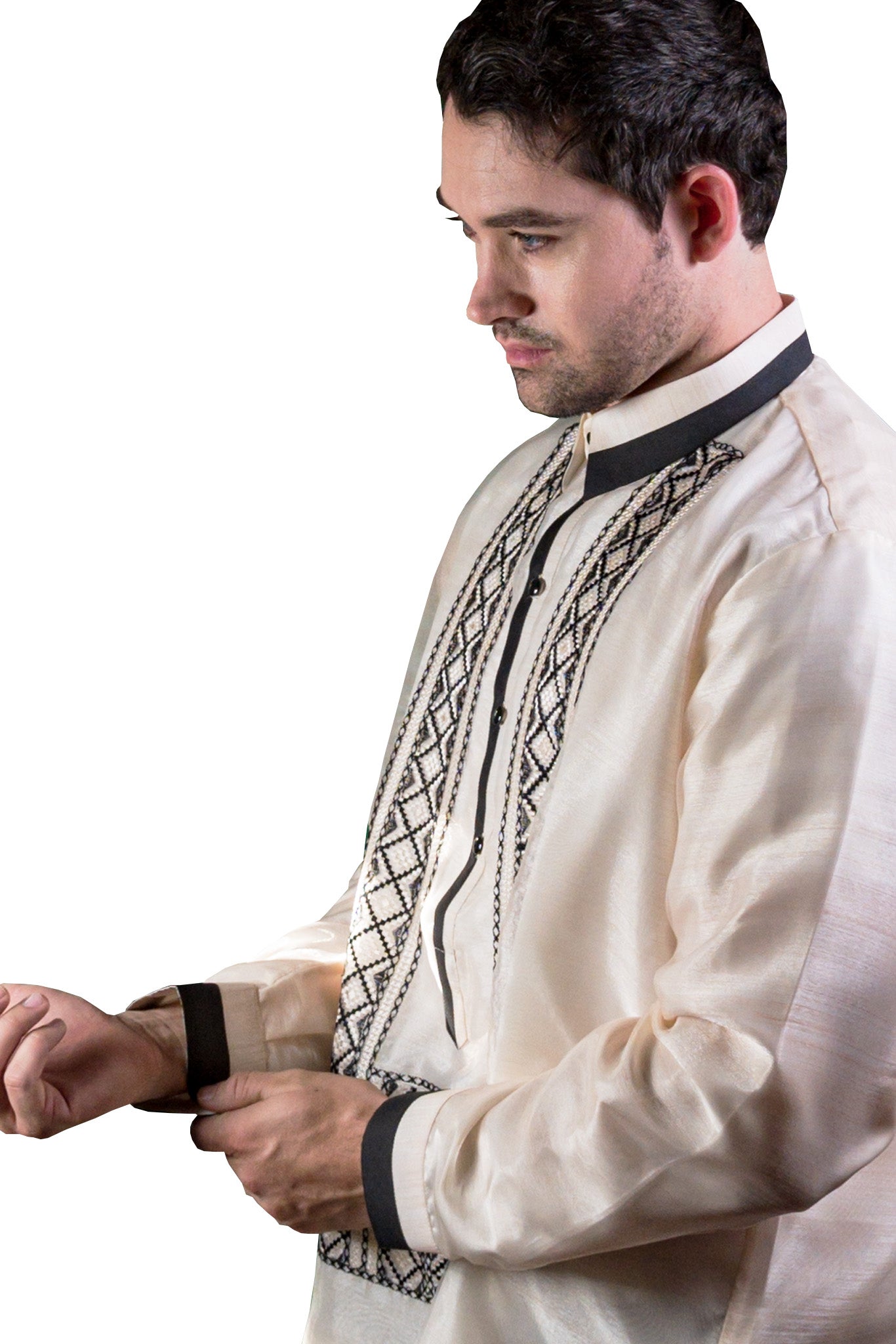
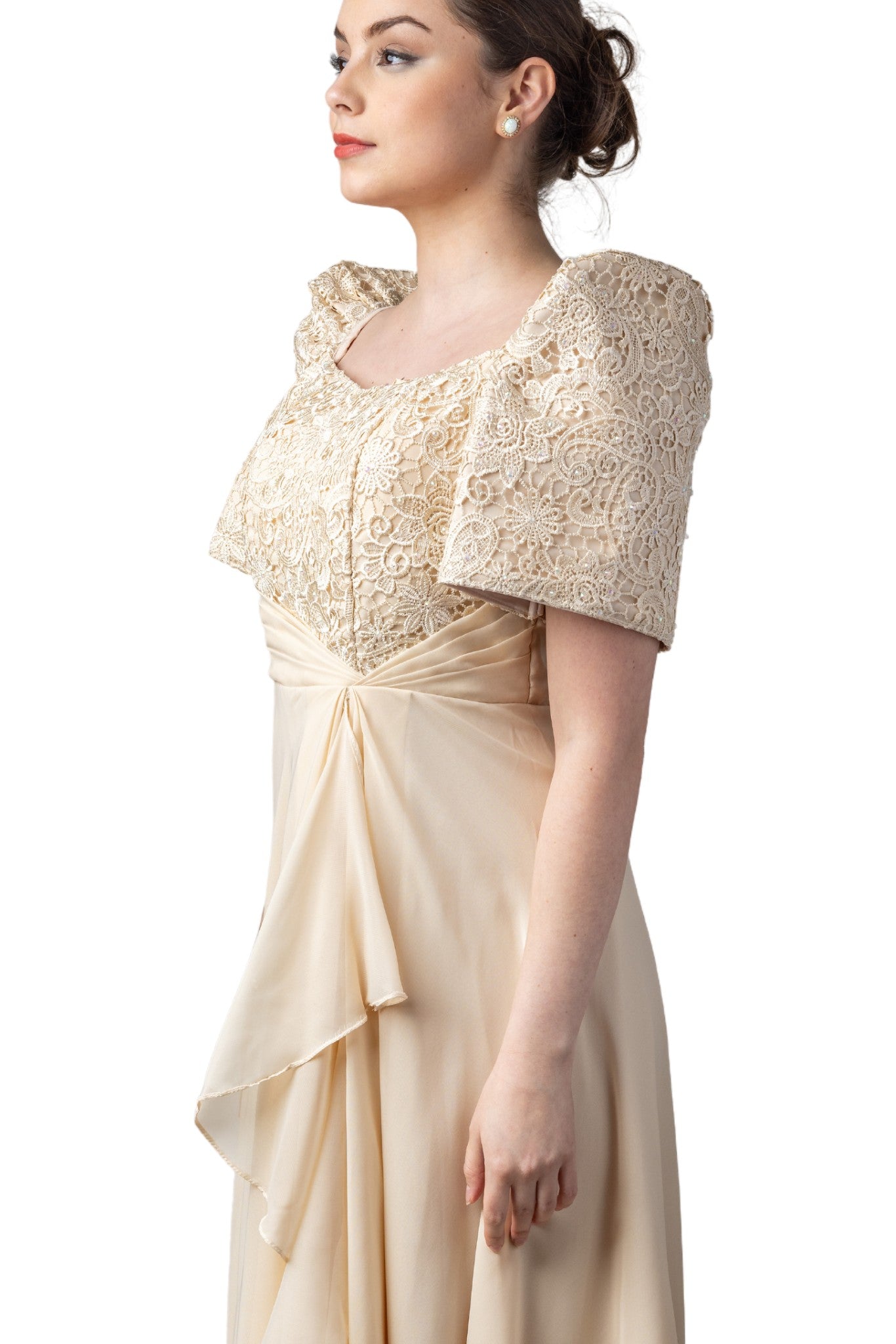
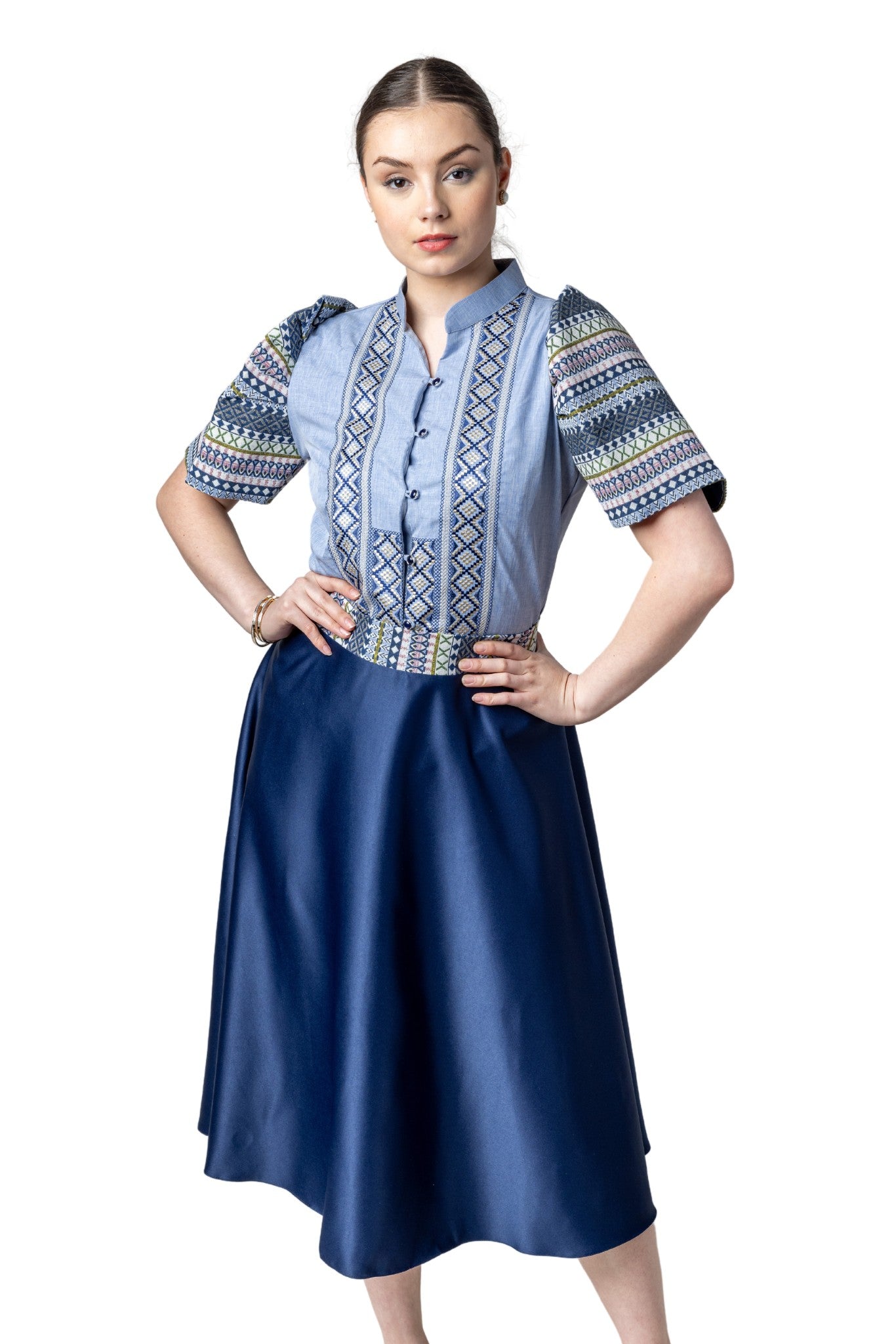
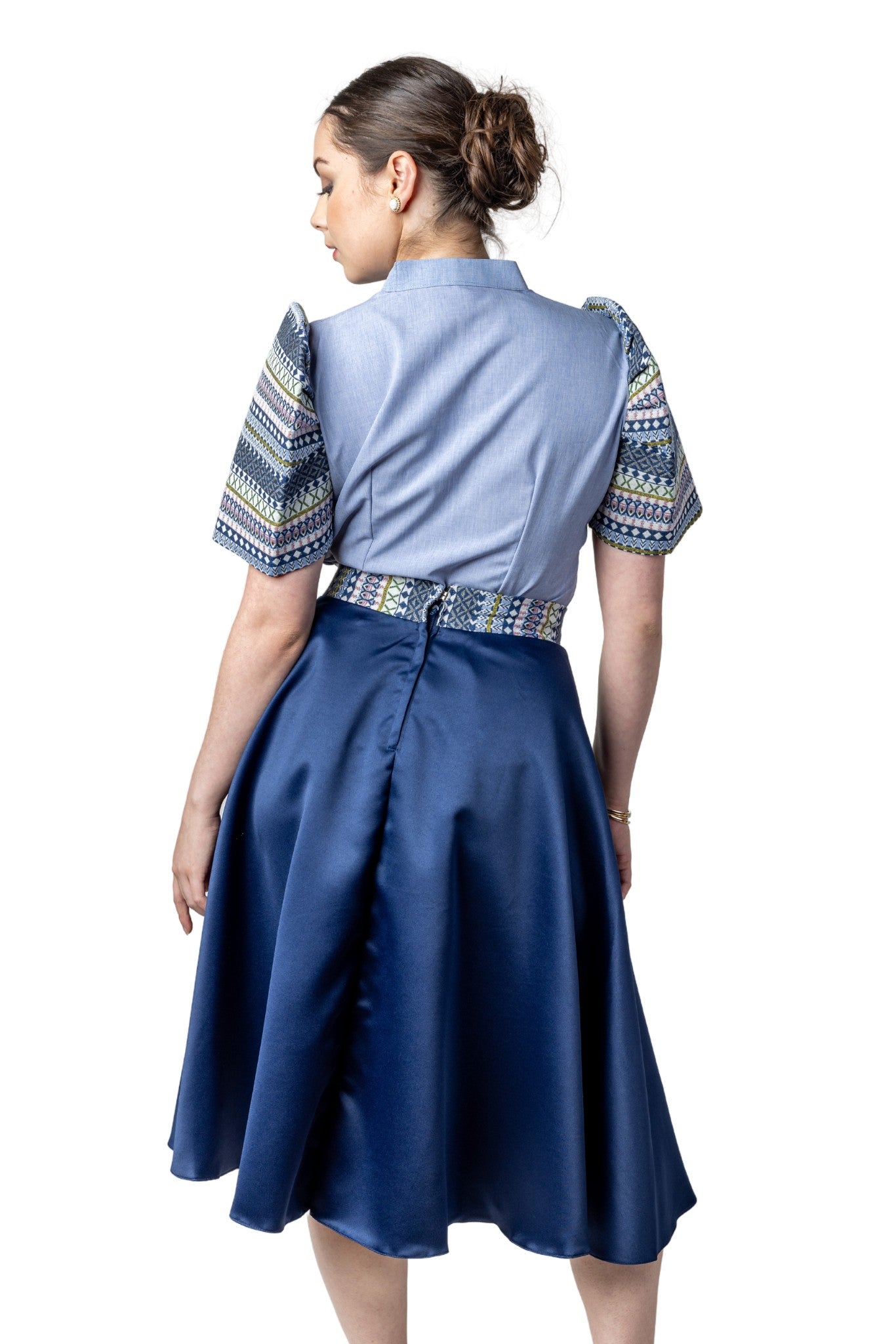
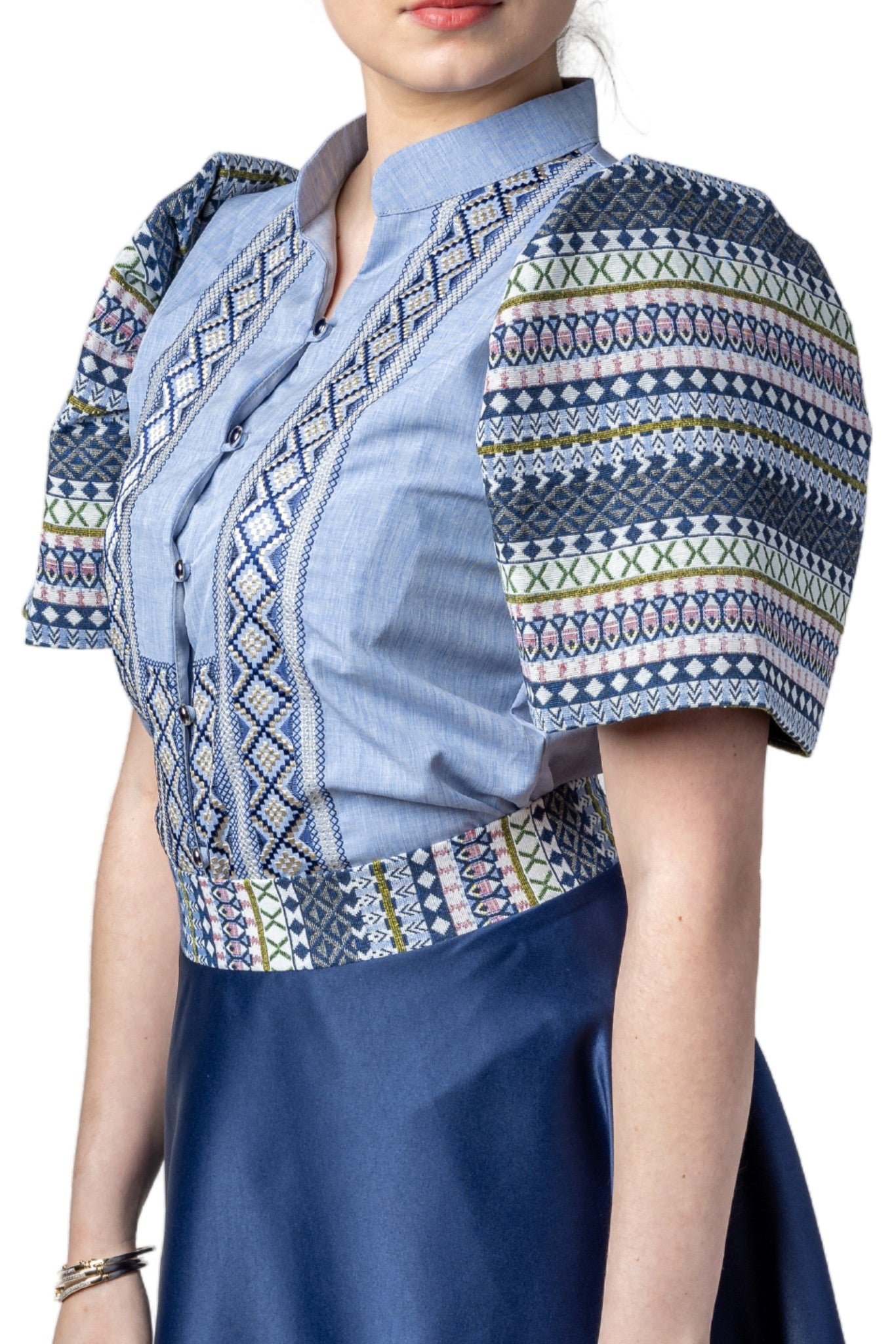
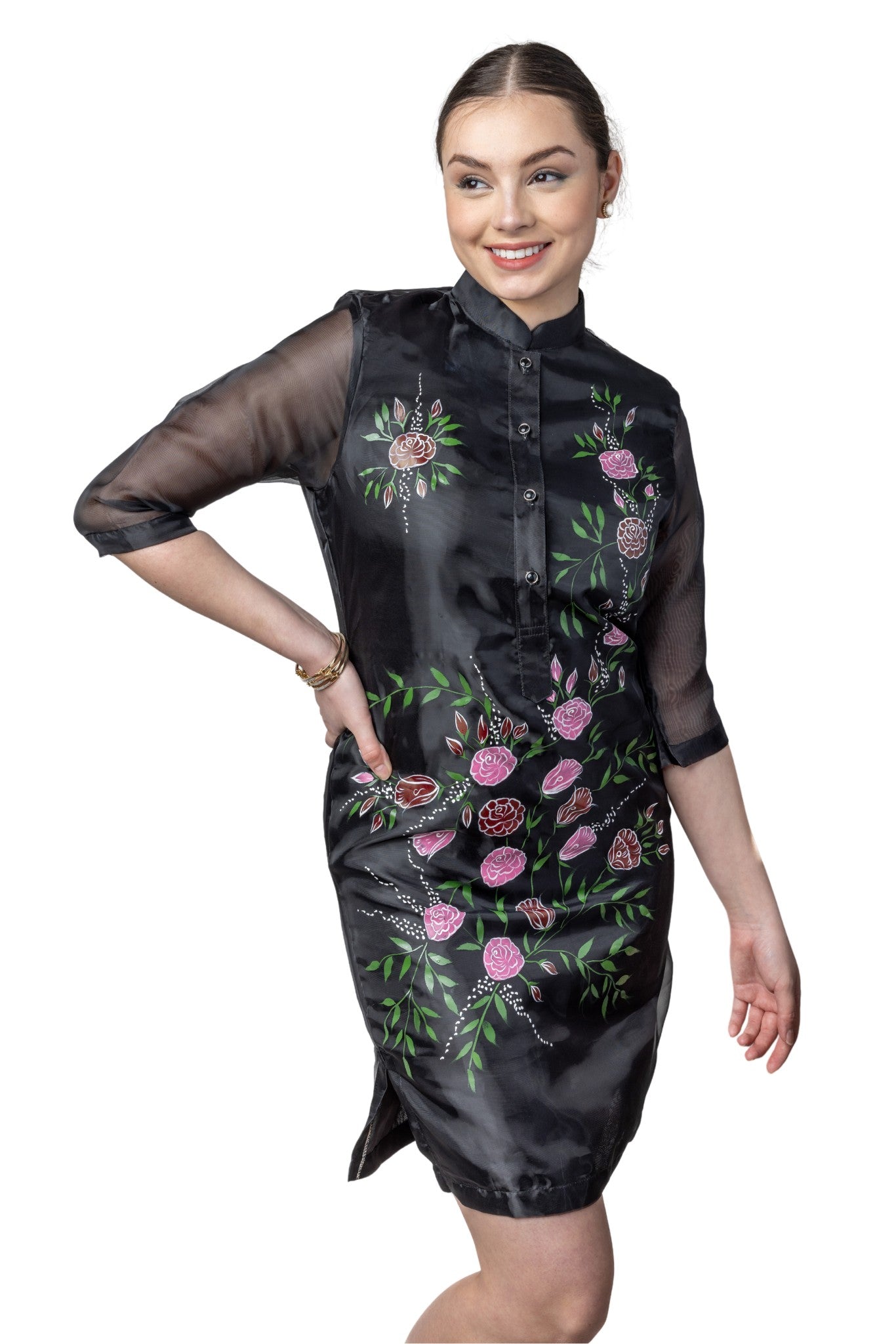
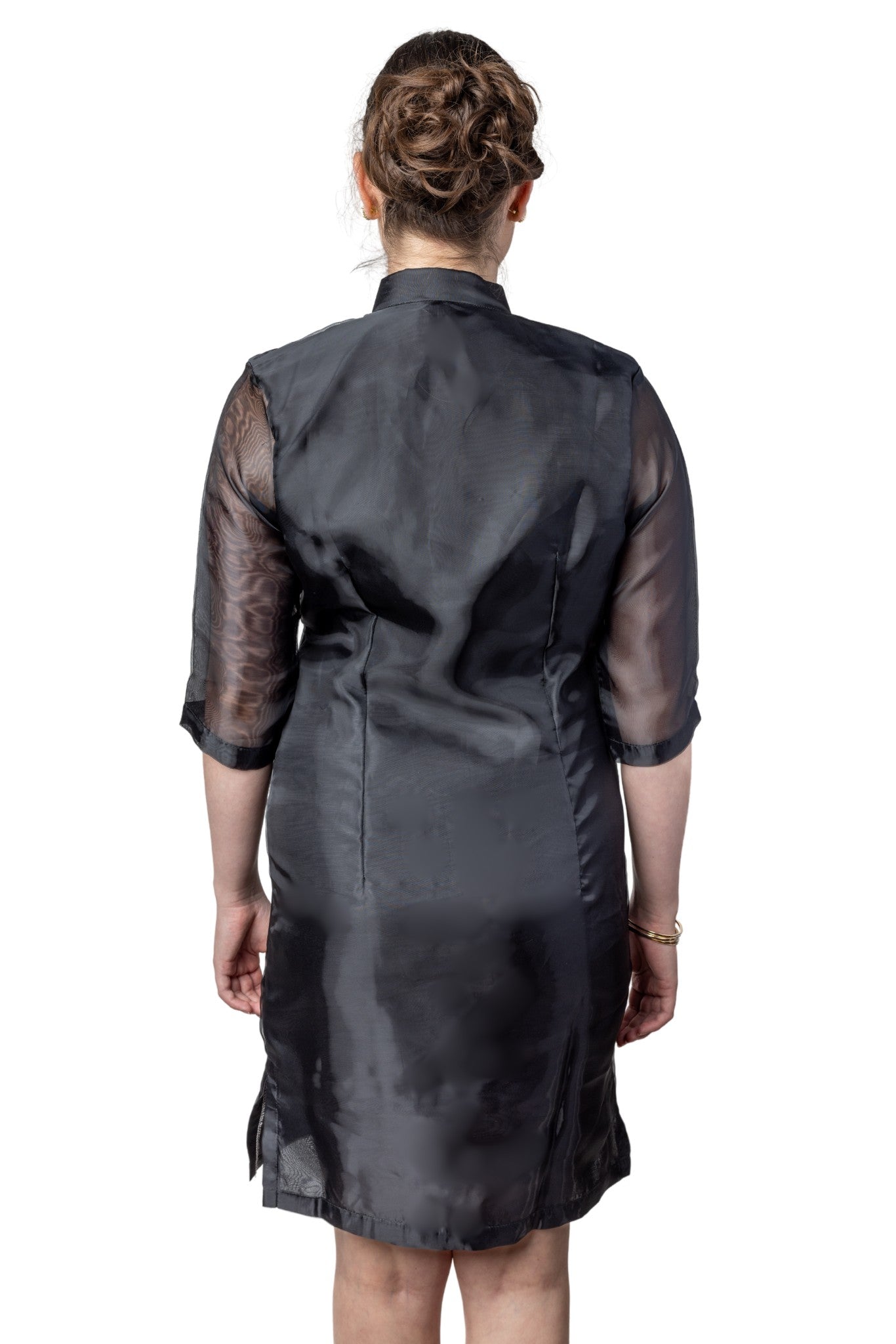
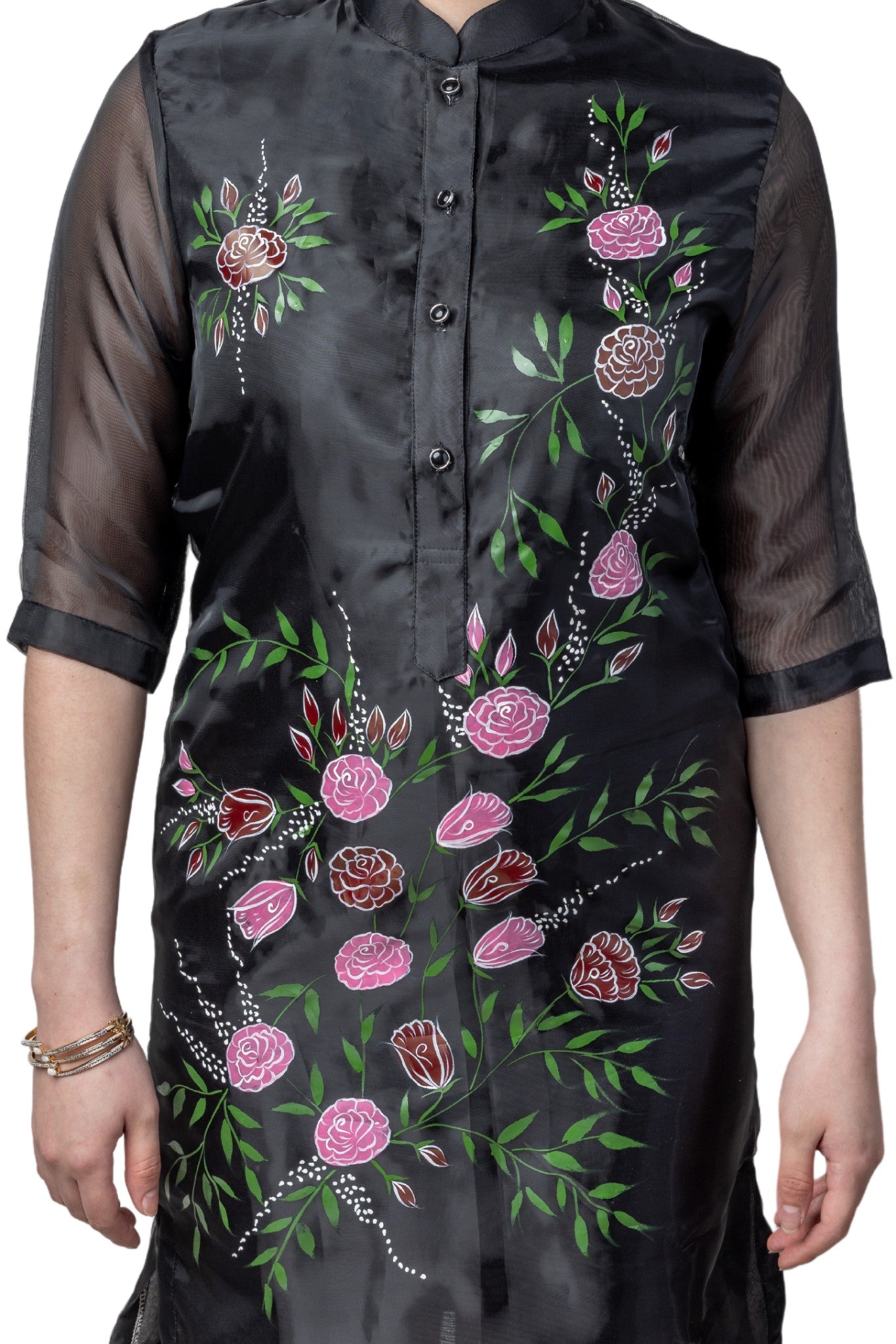
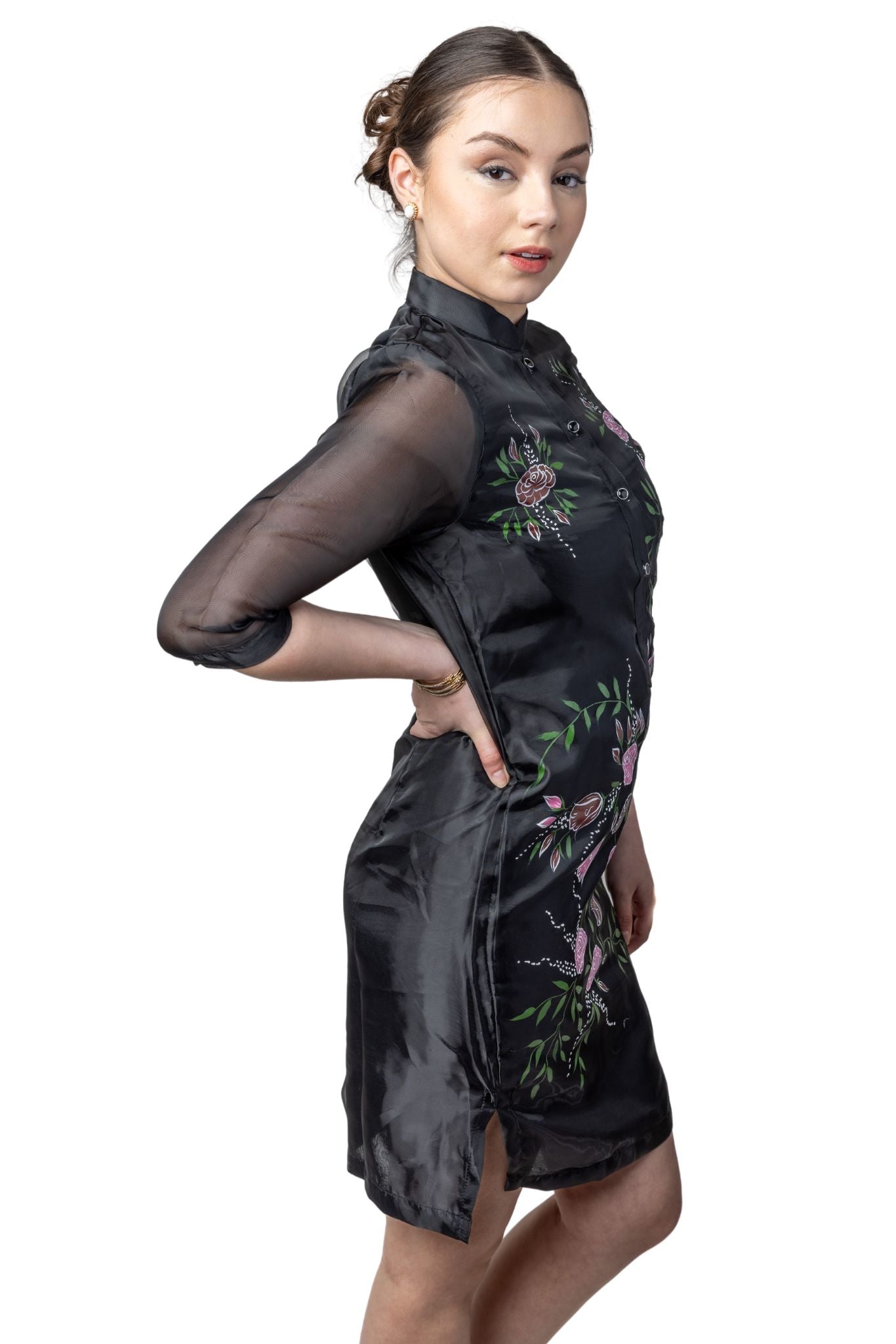


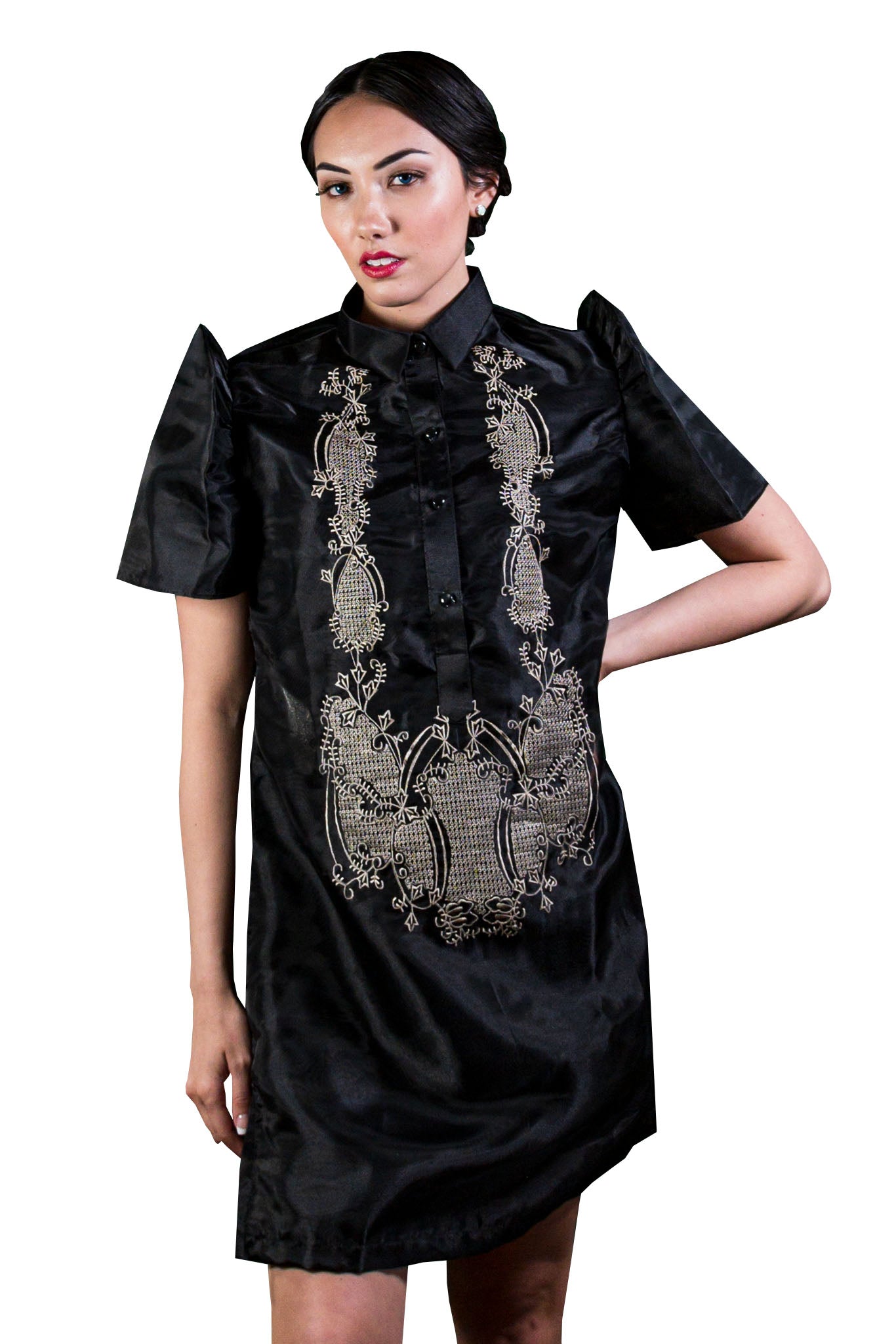
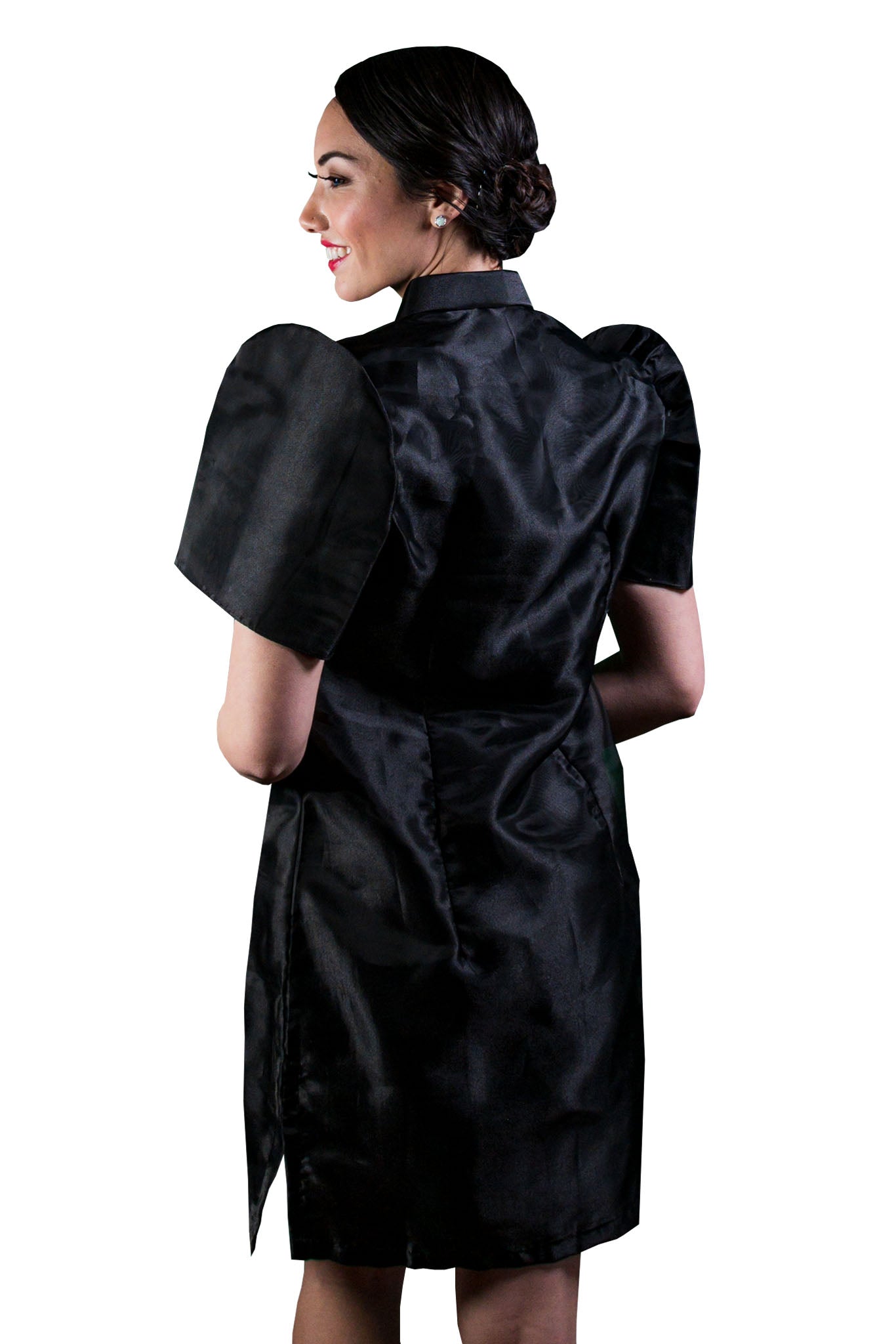
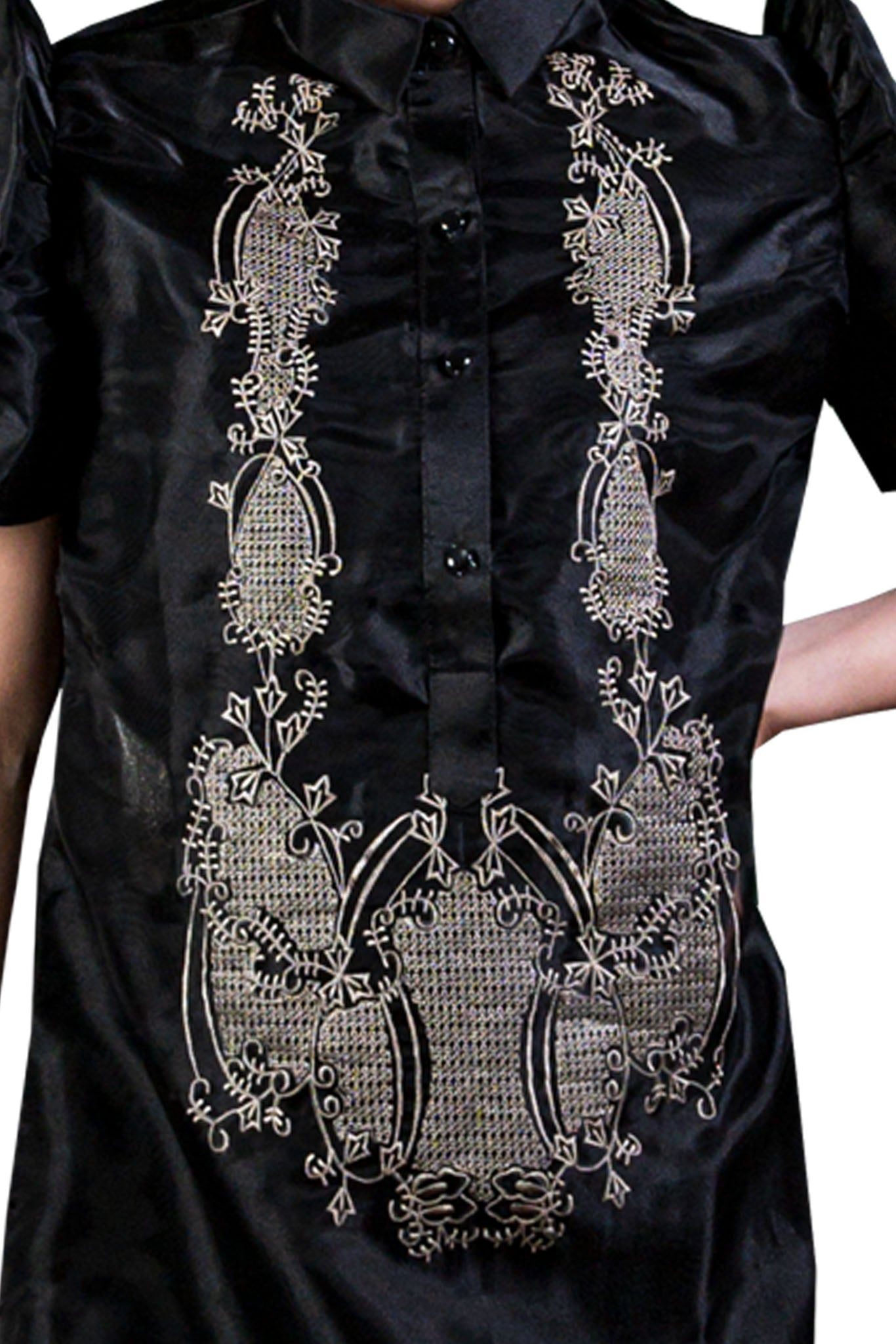
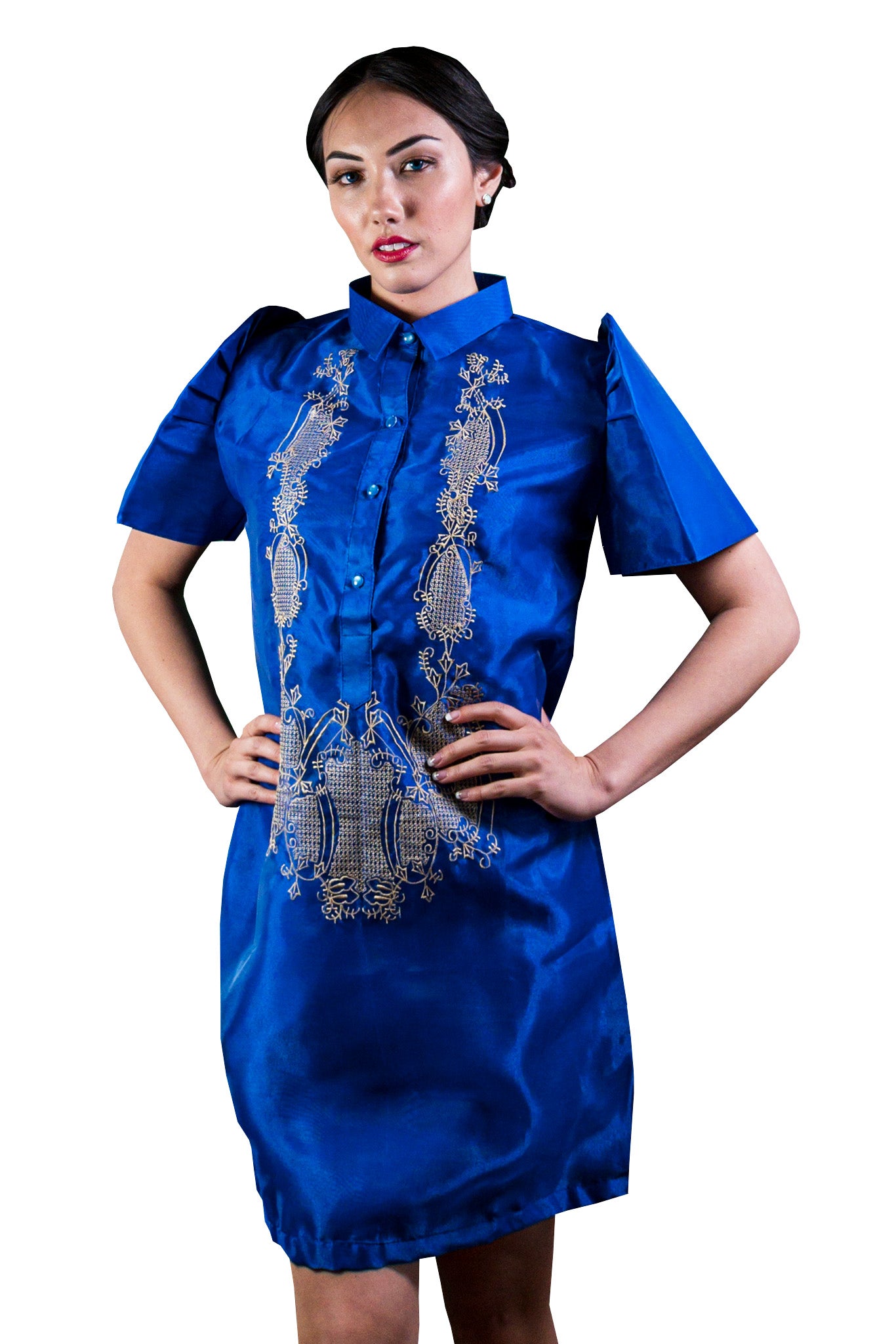
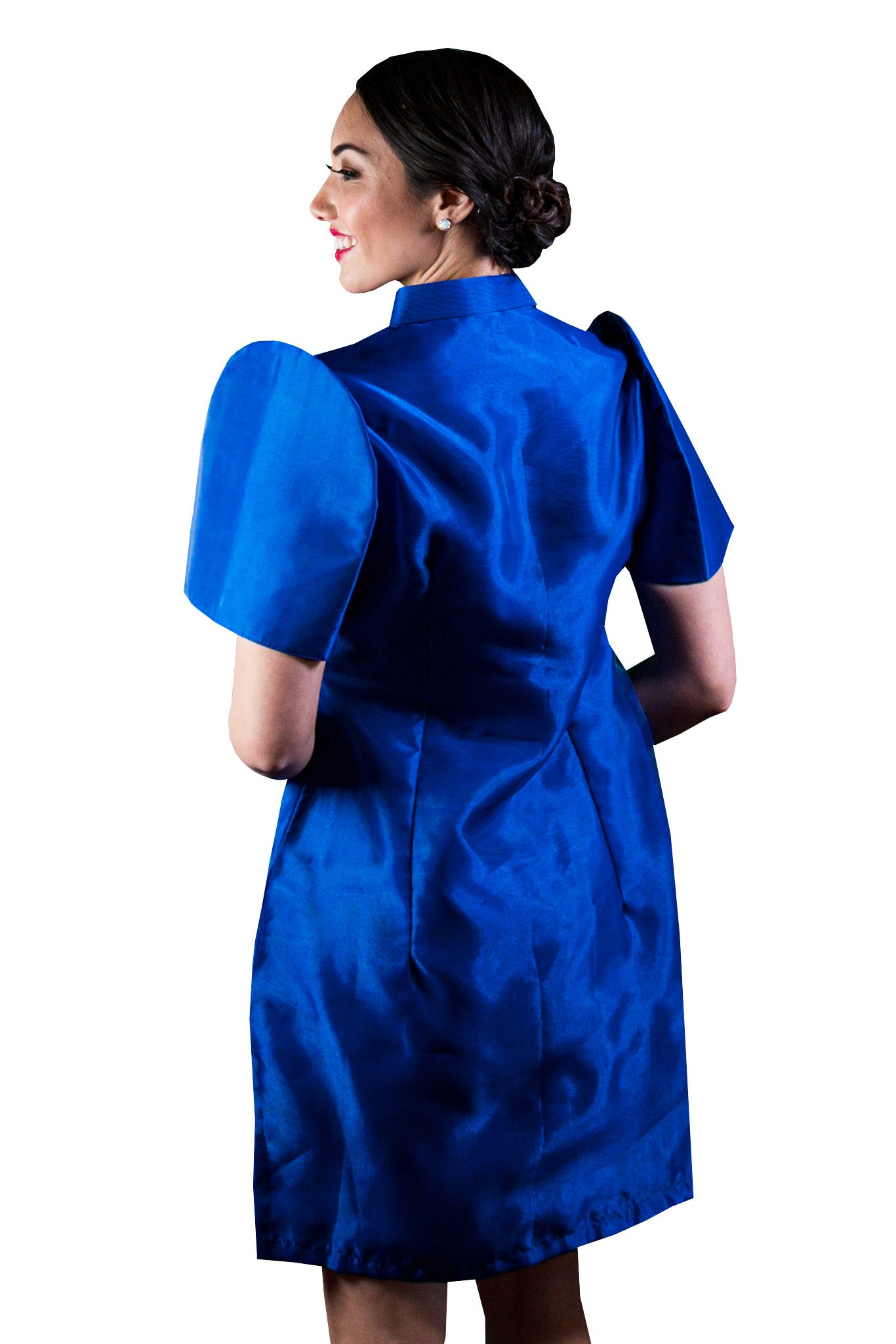
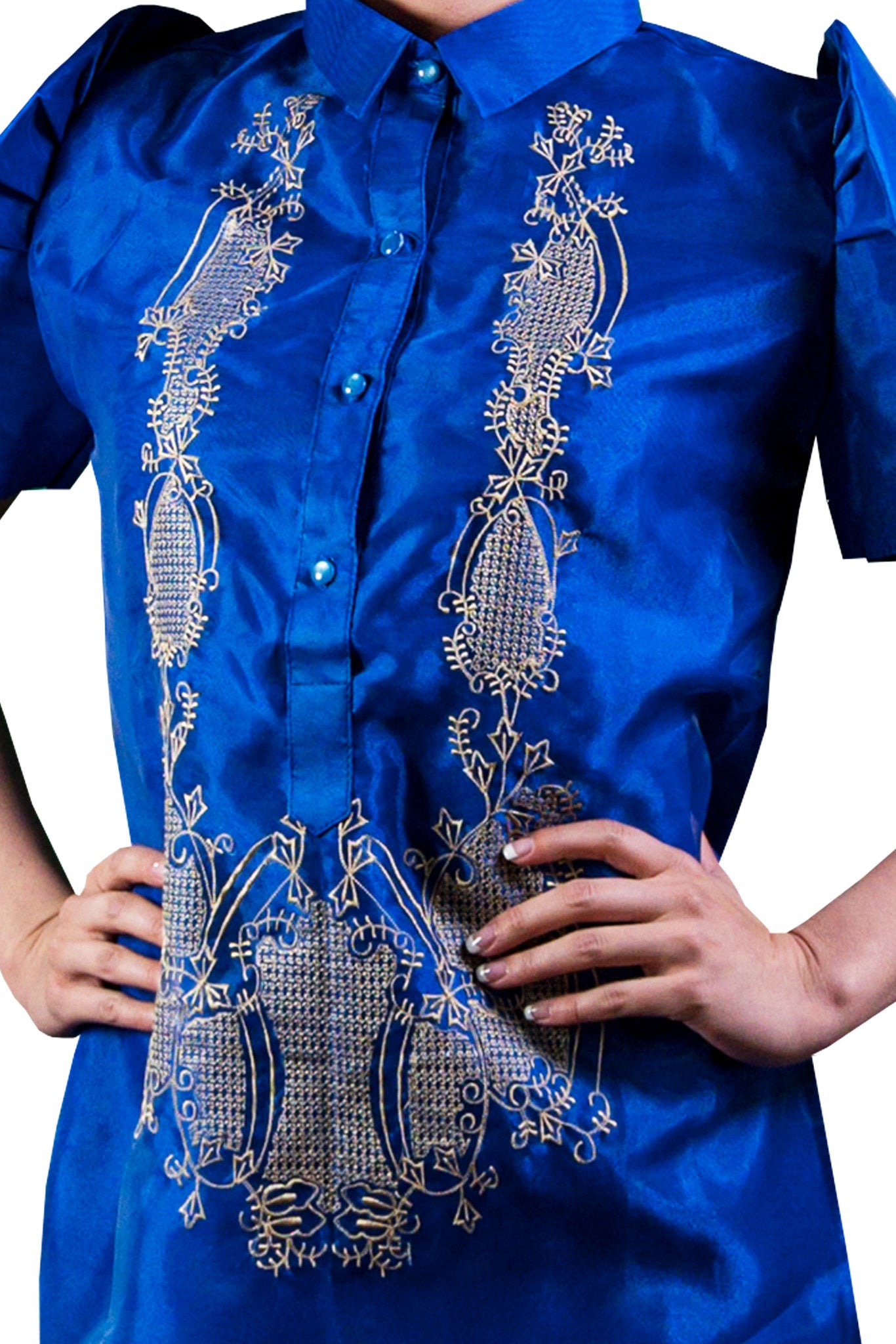
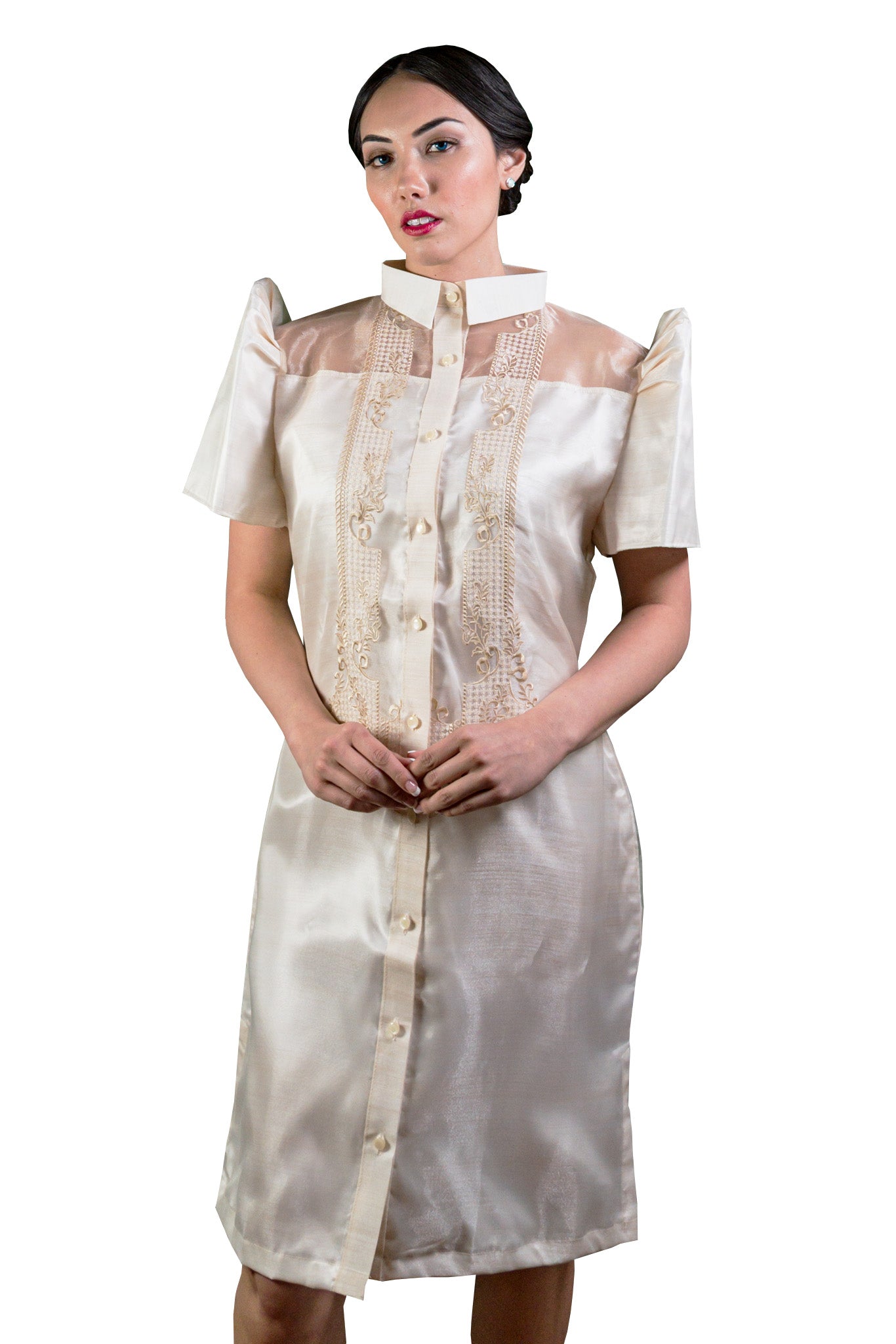
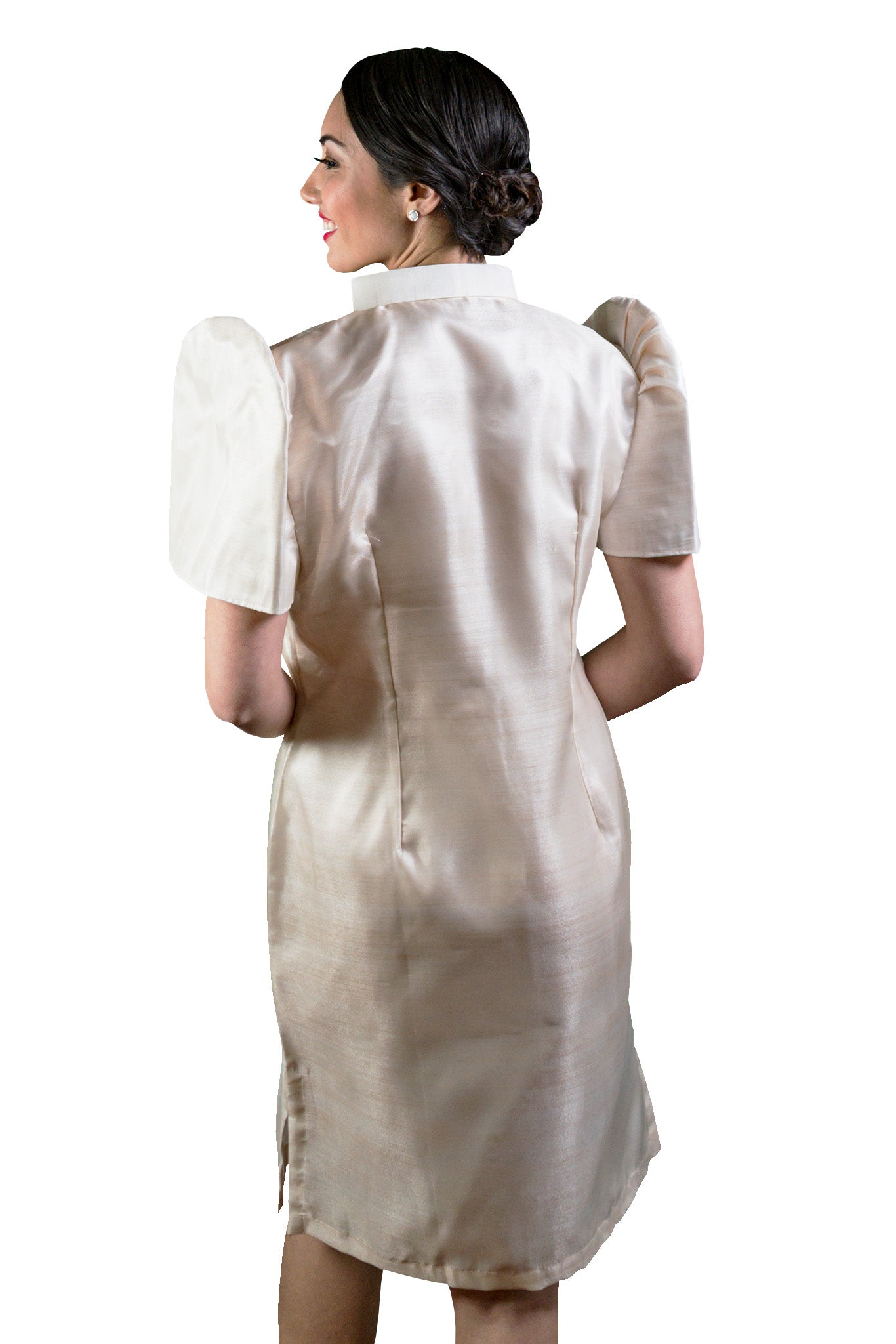
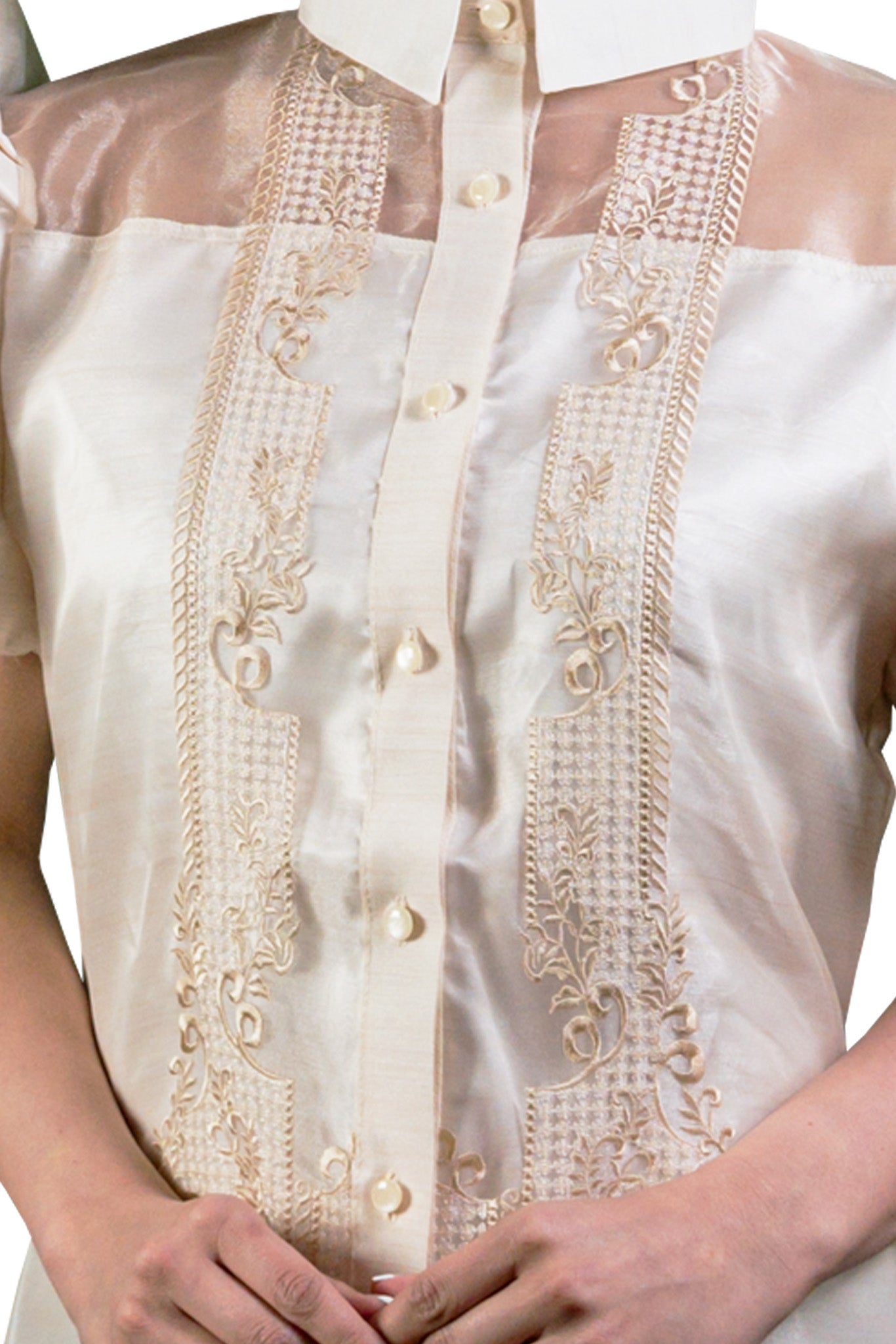
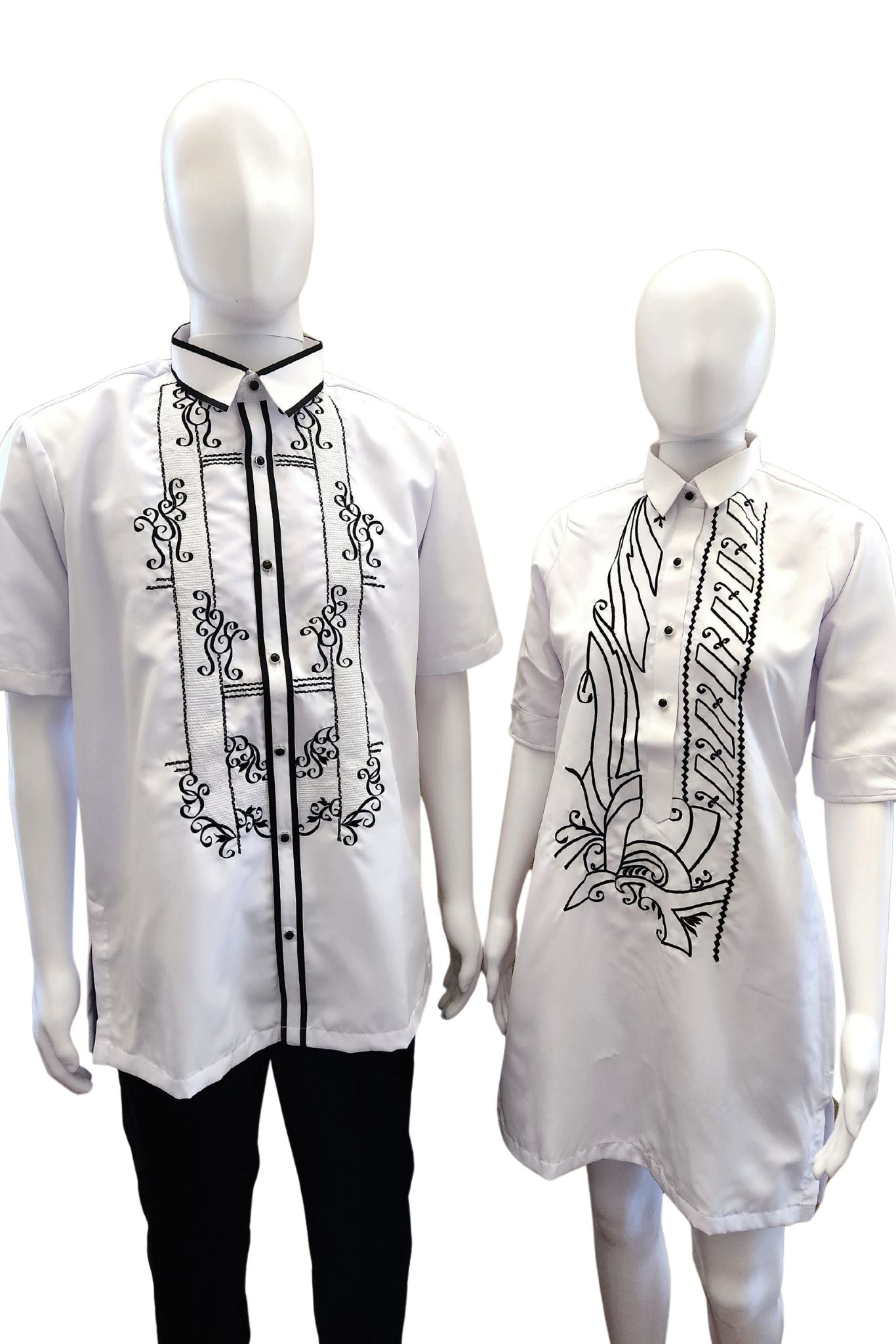
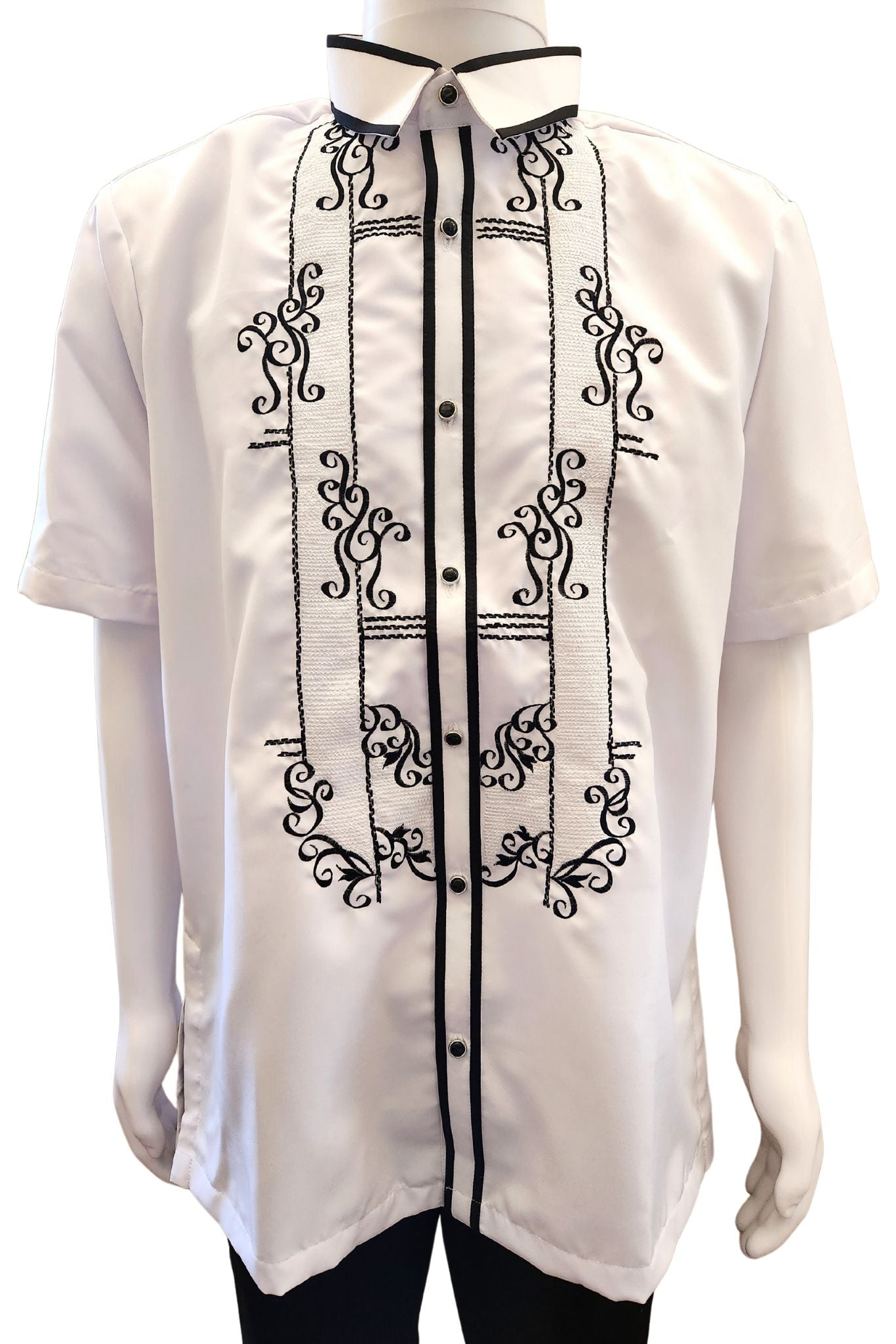
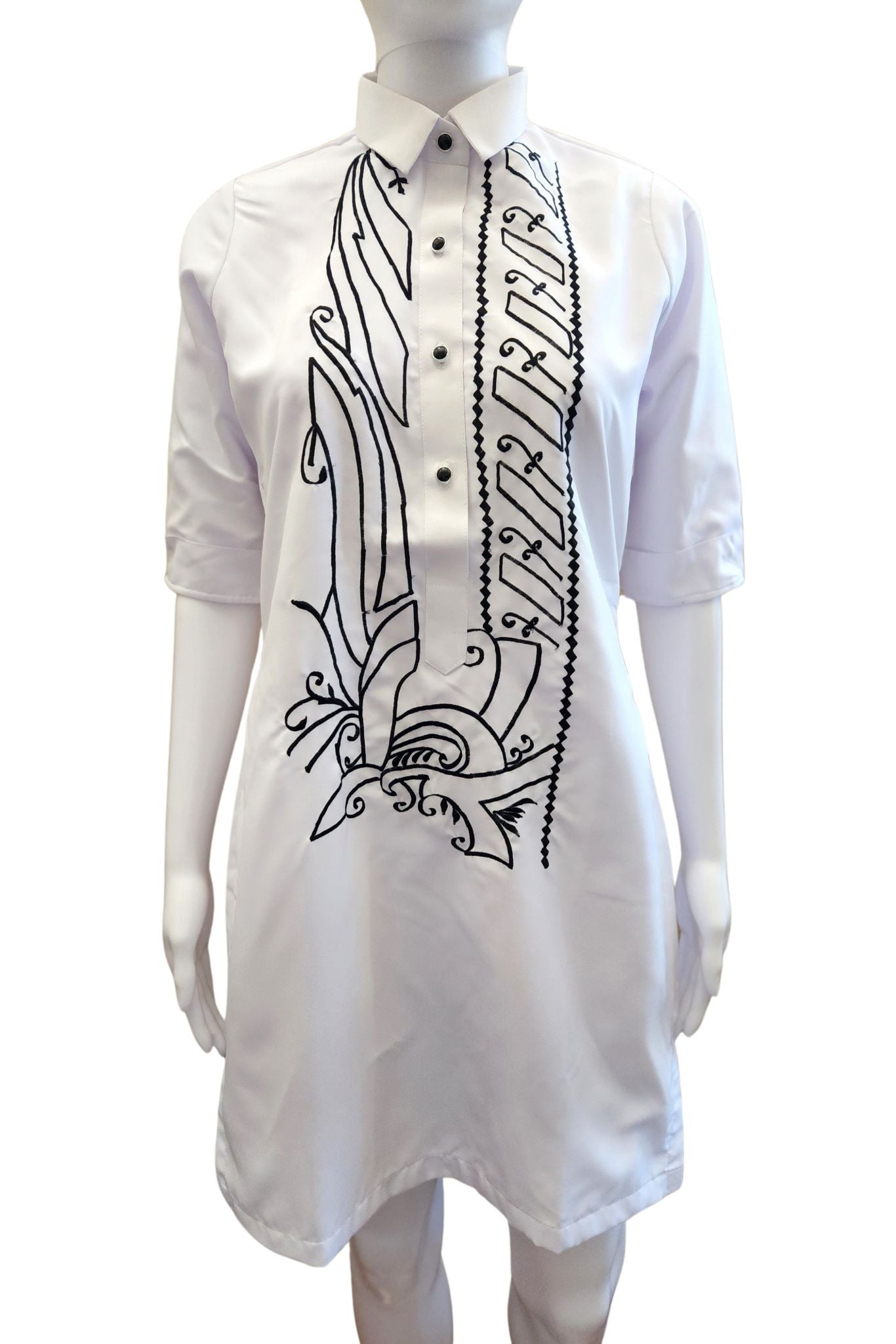
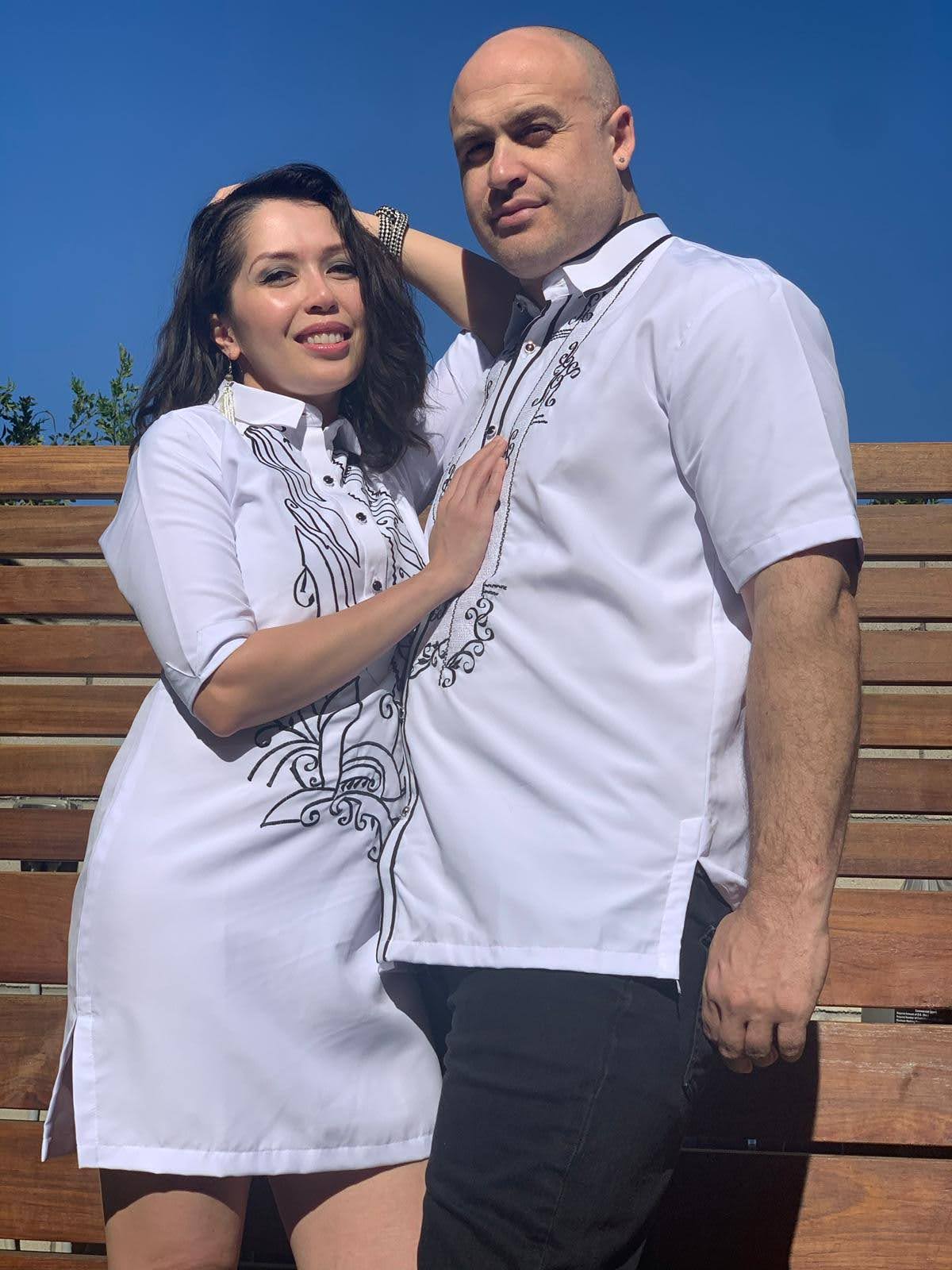
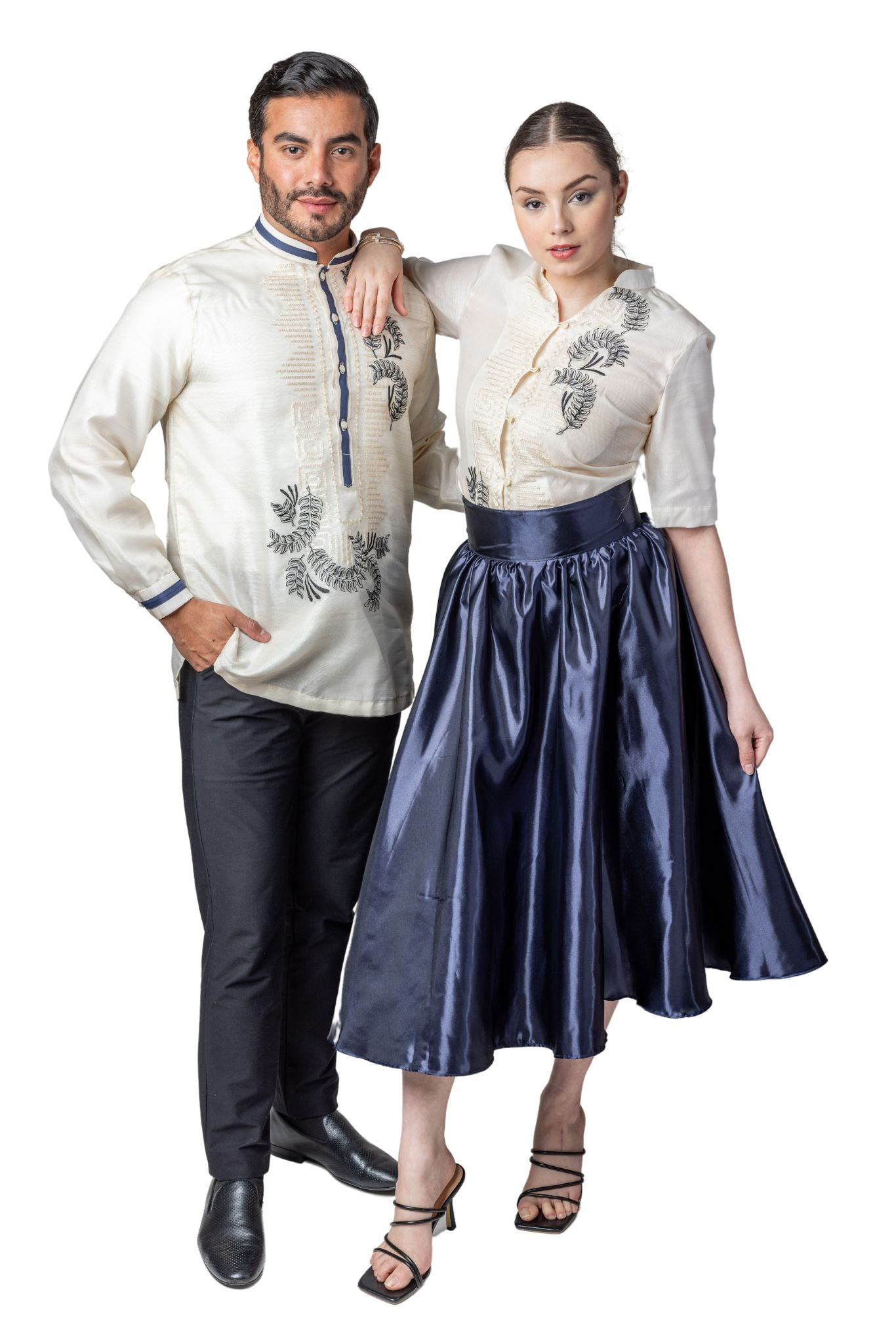
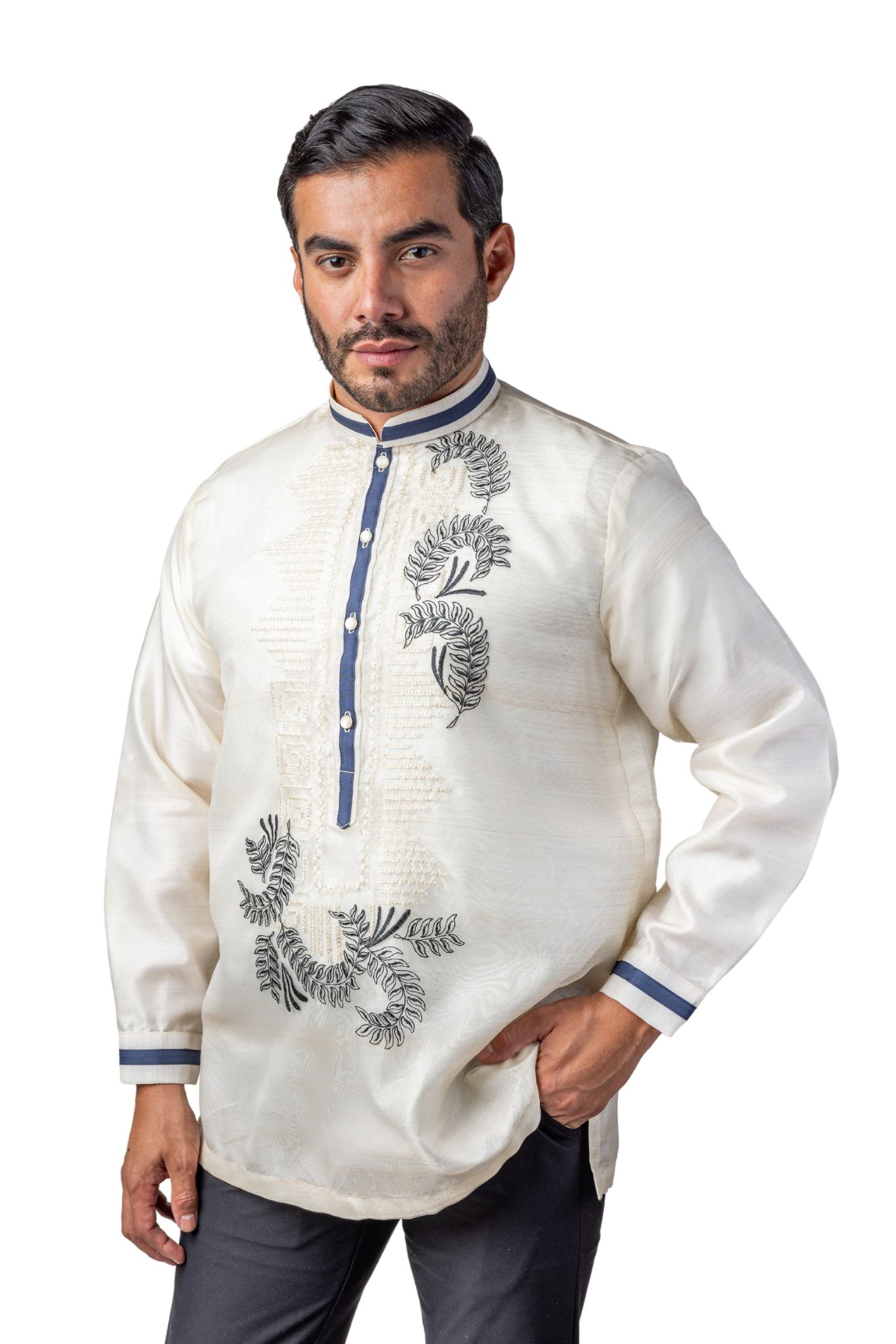
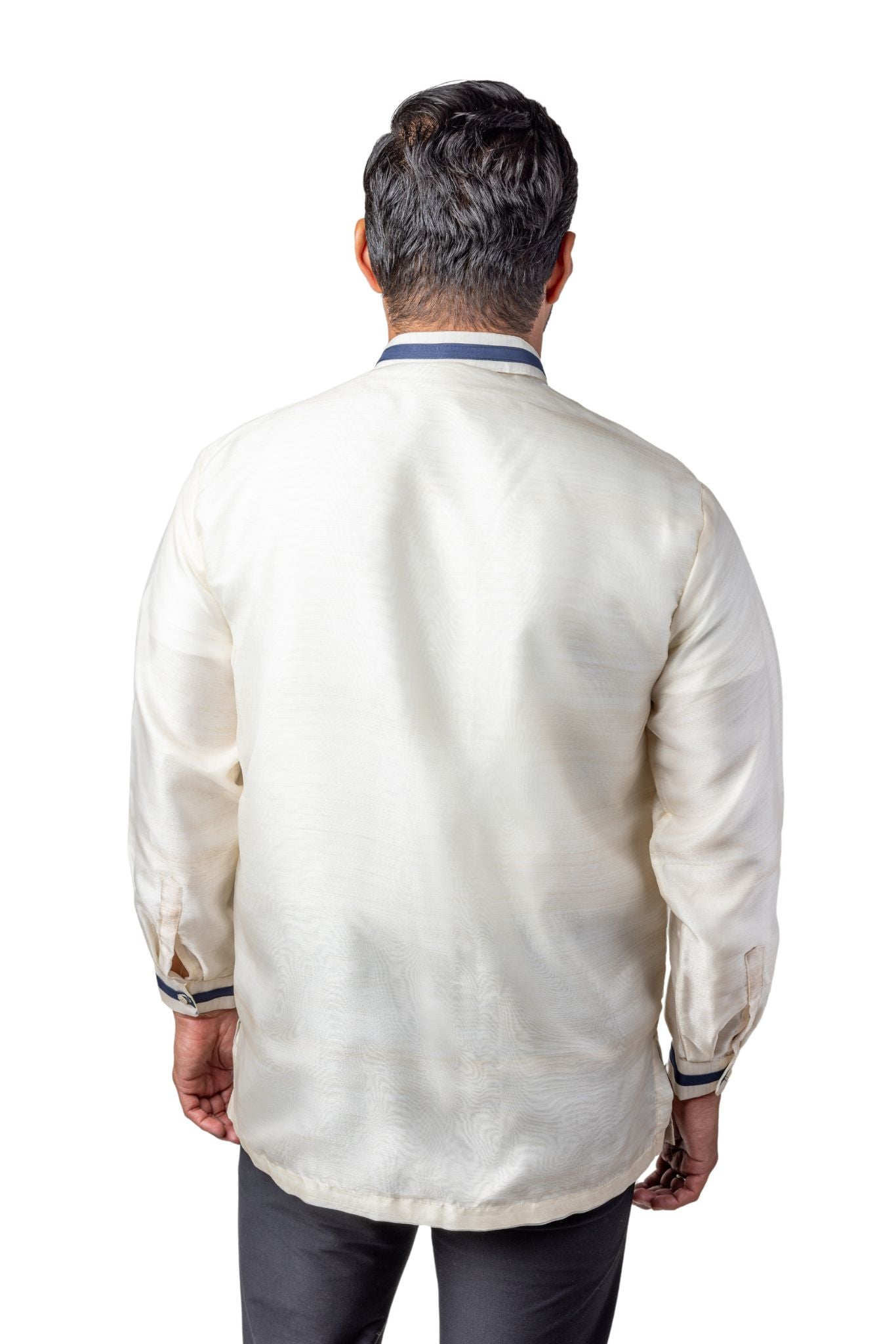
MO61 - Organza Barong Tagalog with Lining
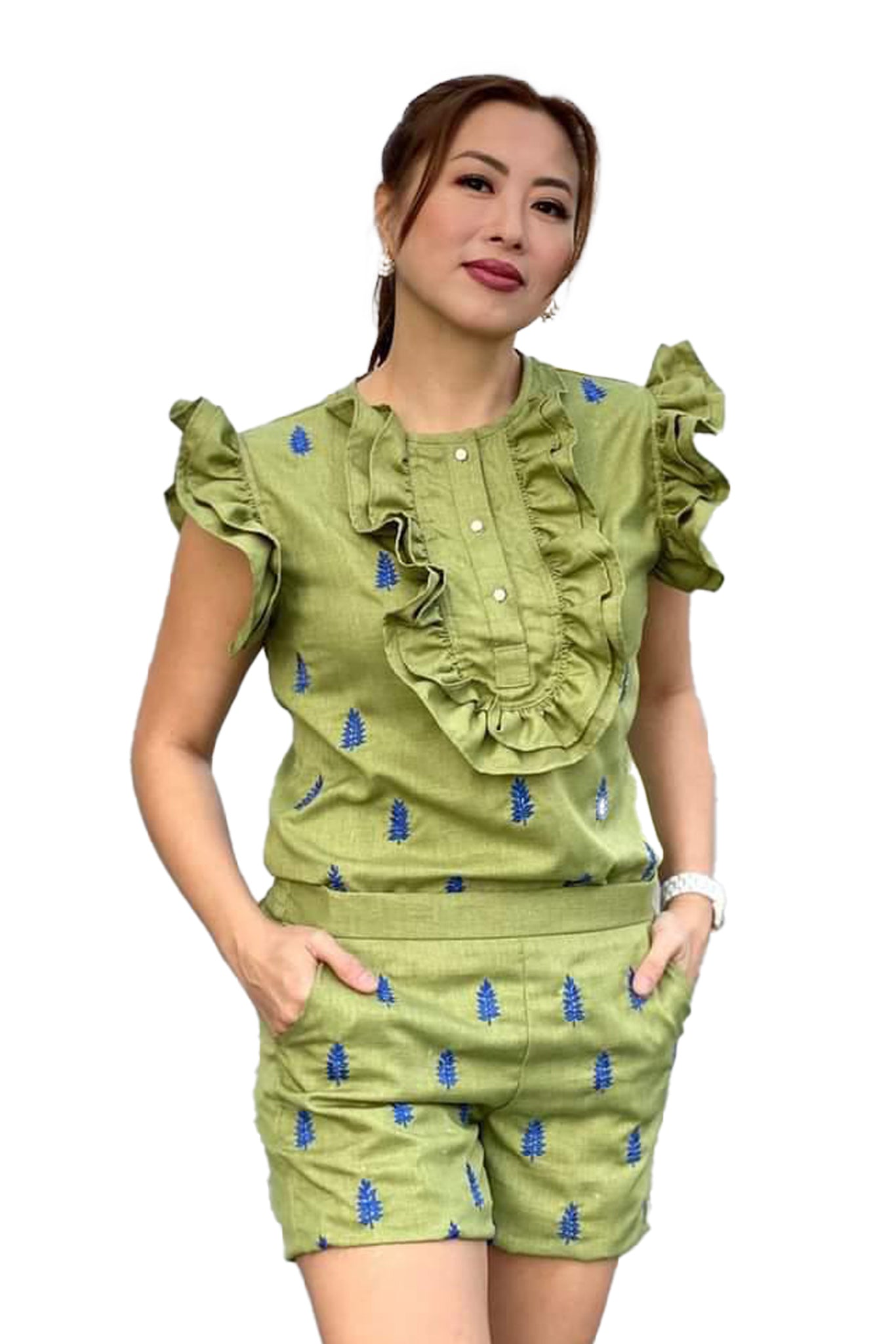
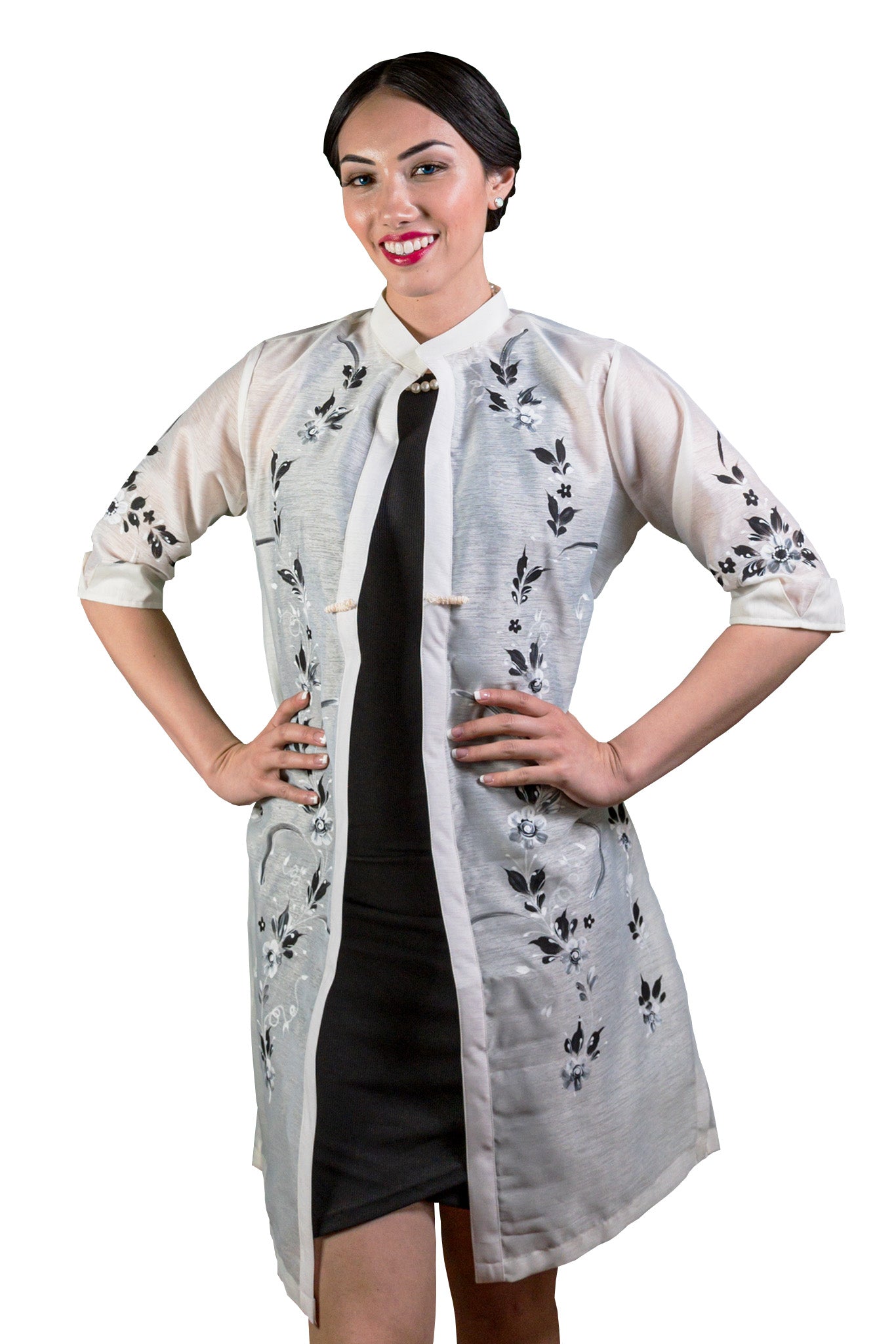
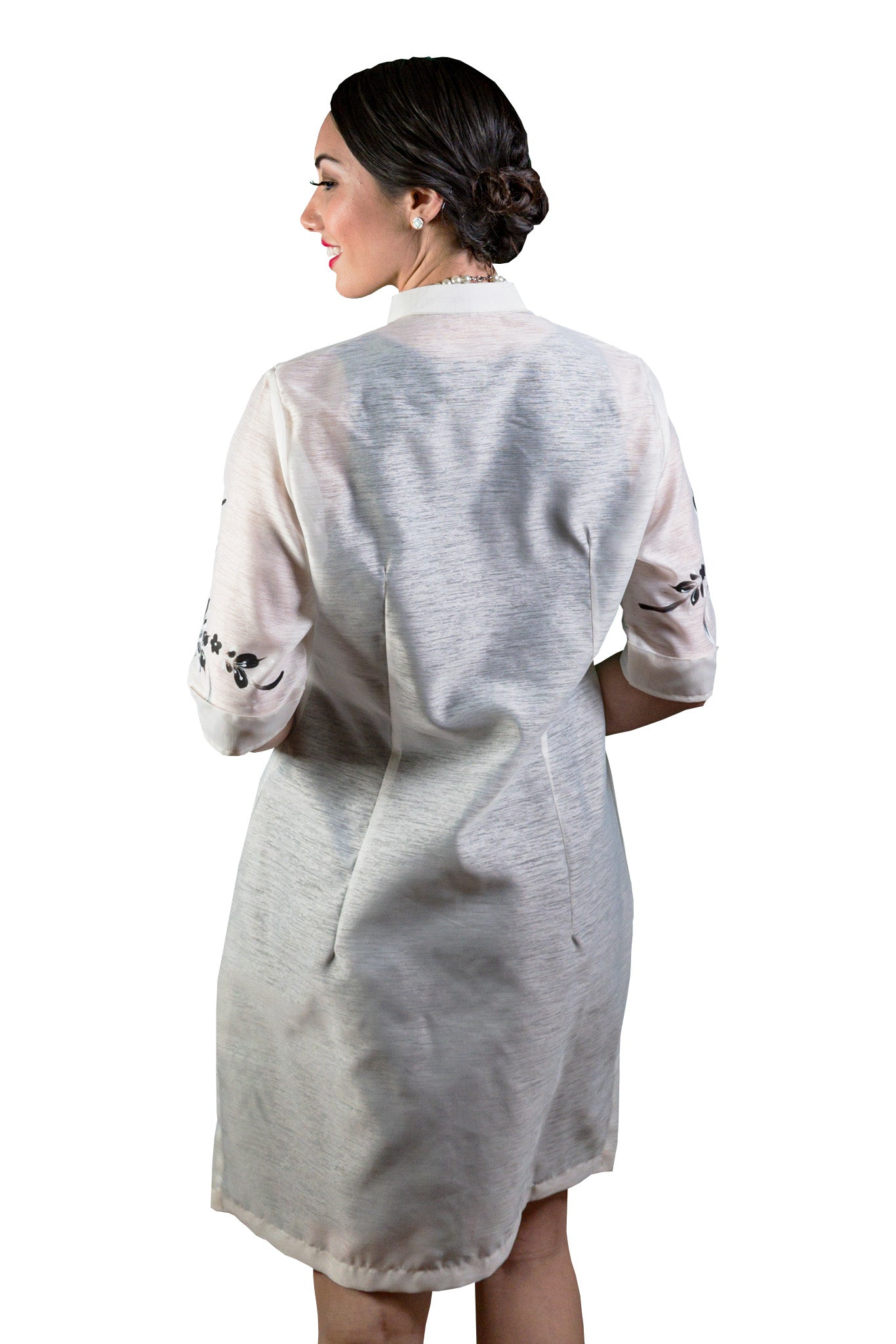
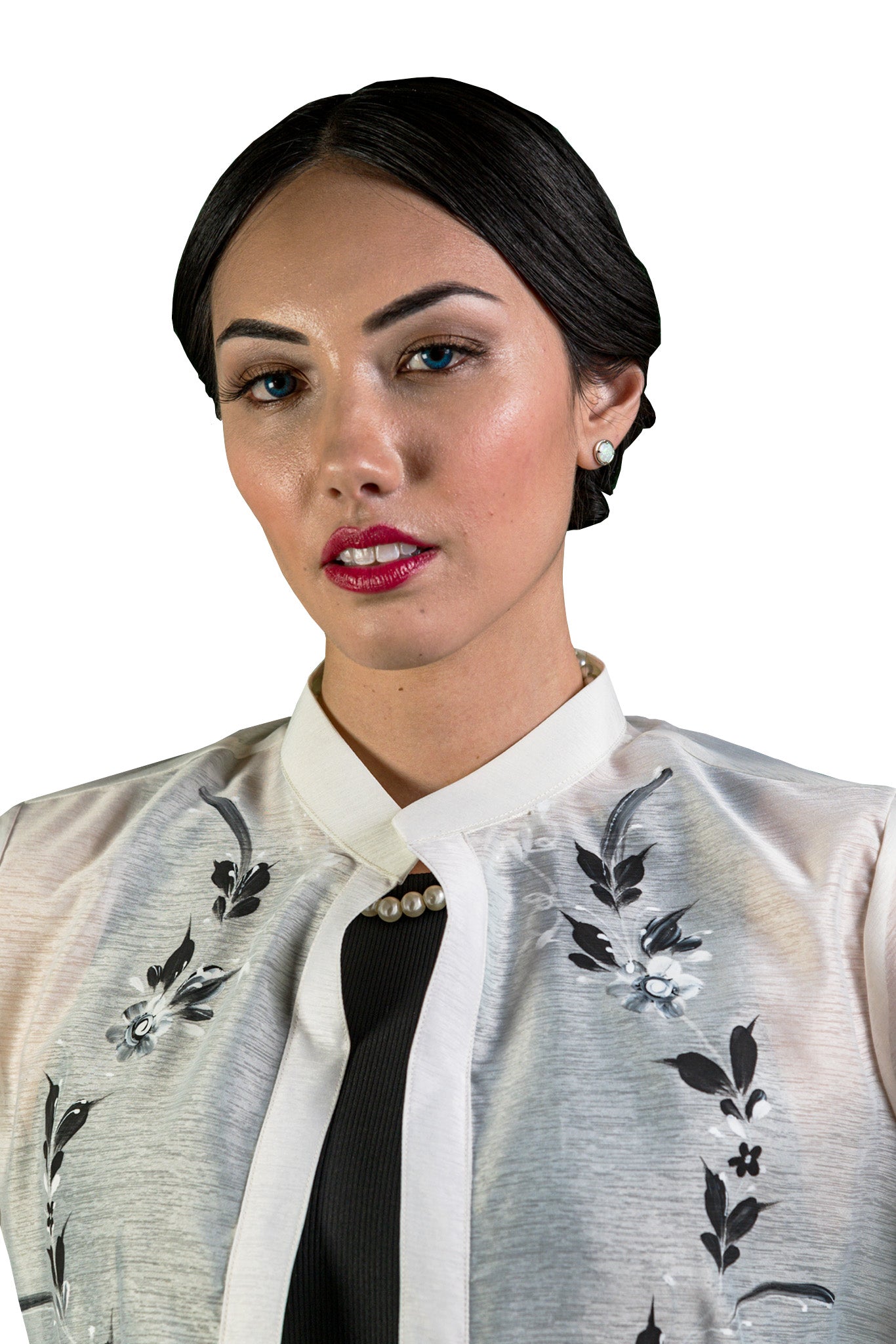
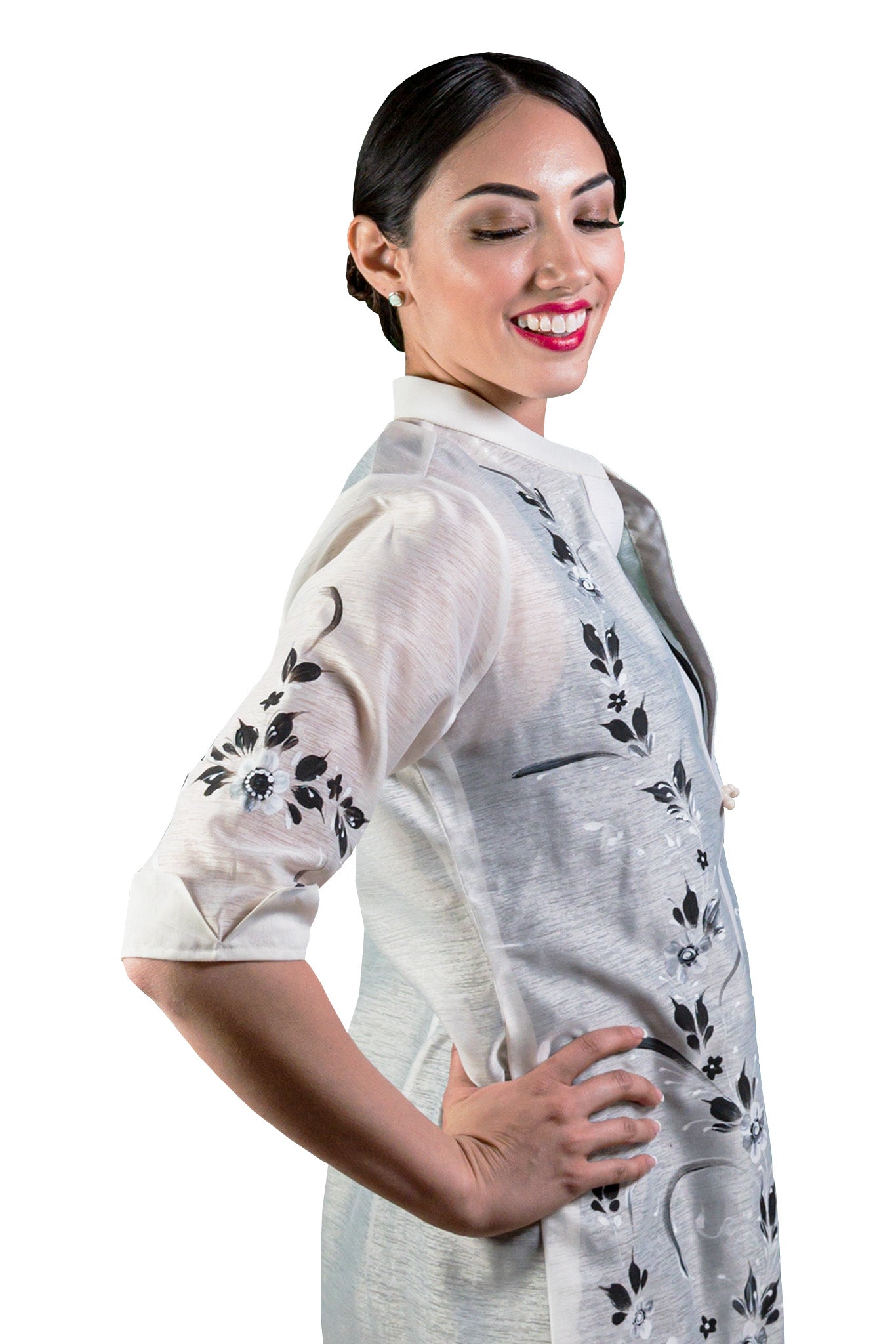
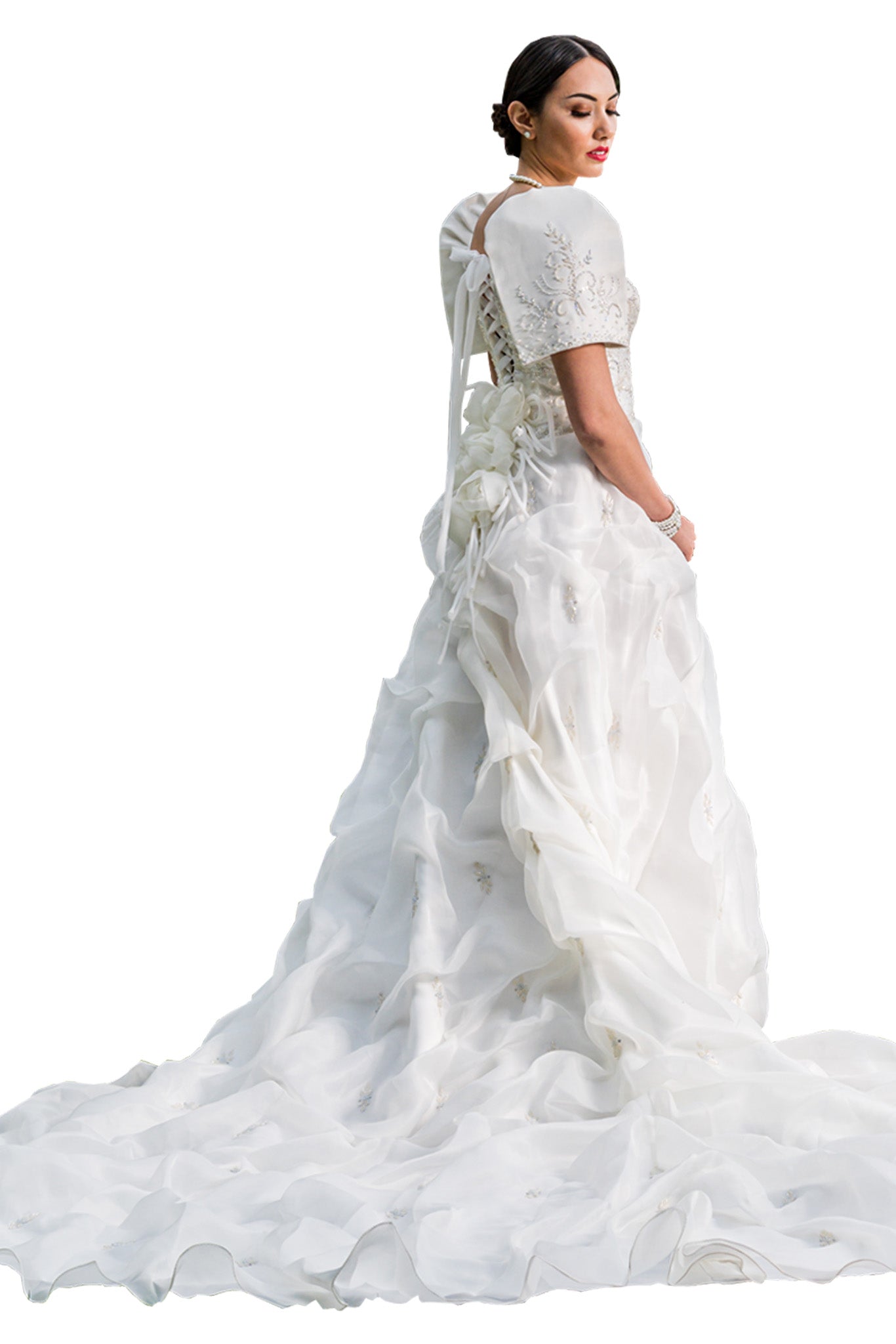
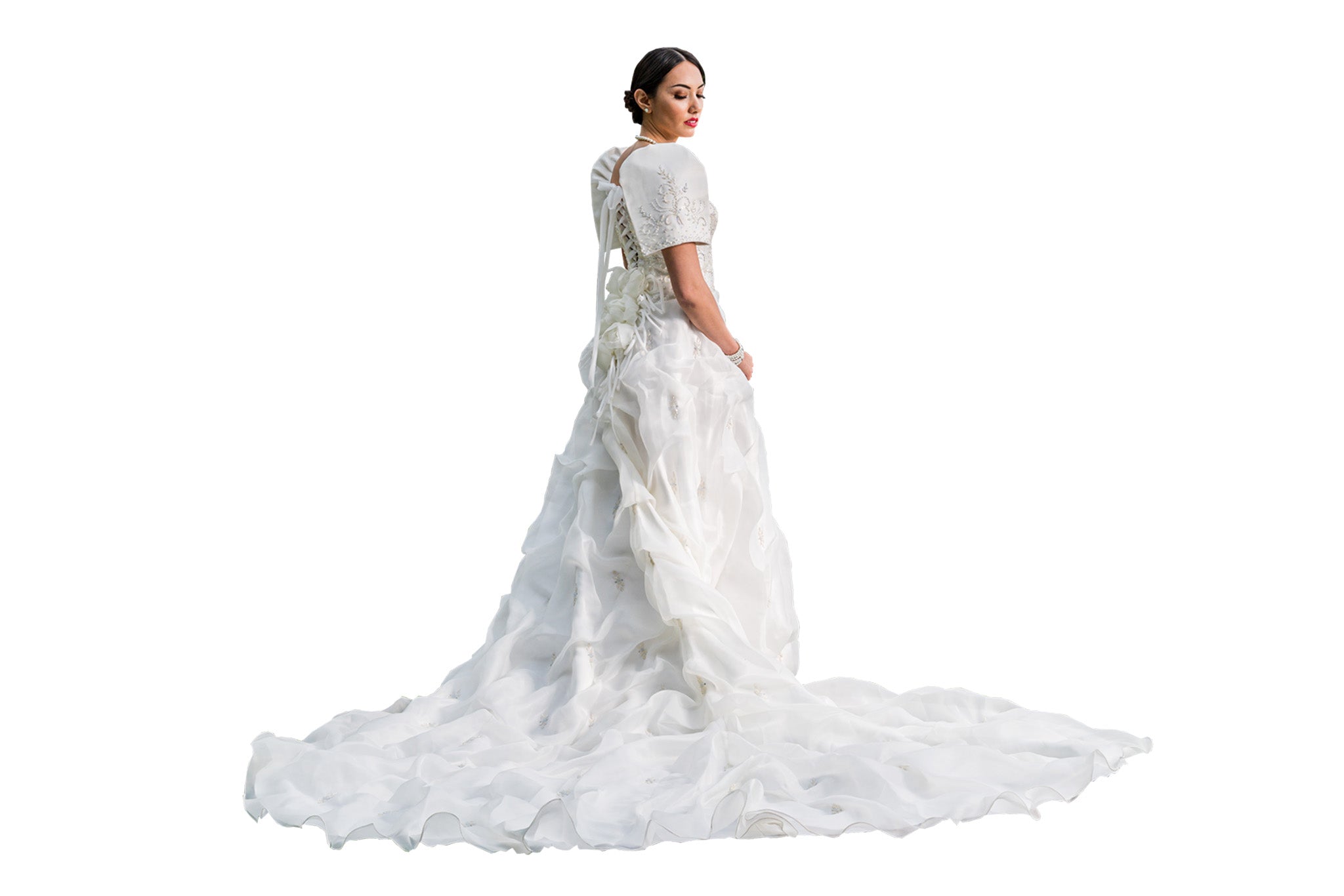
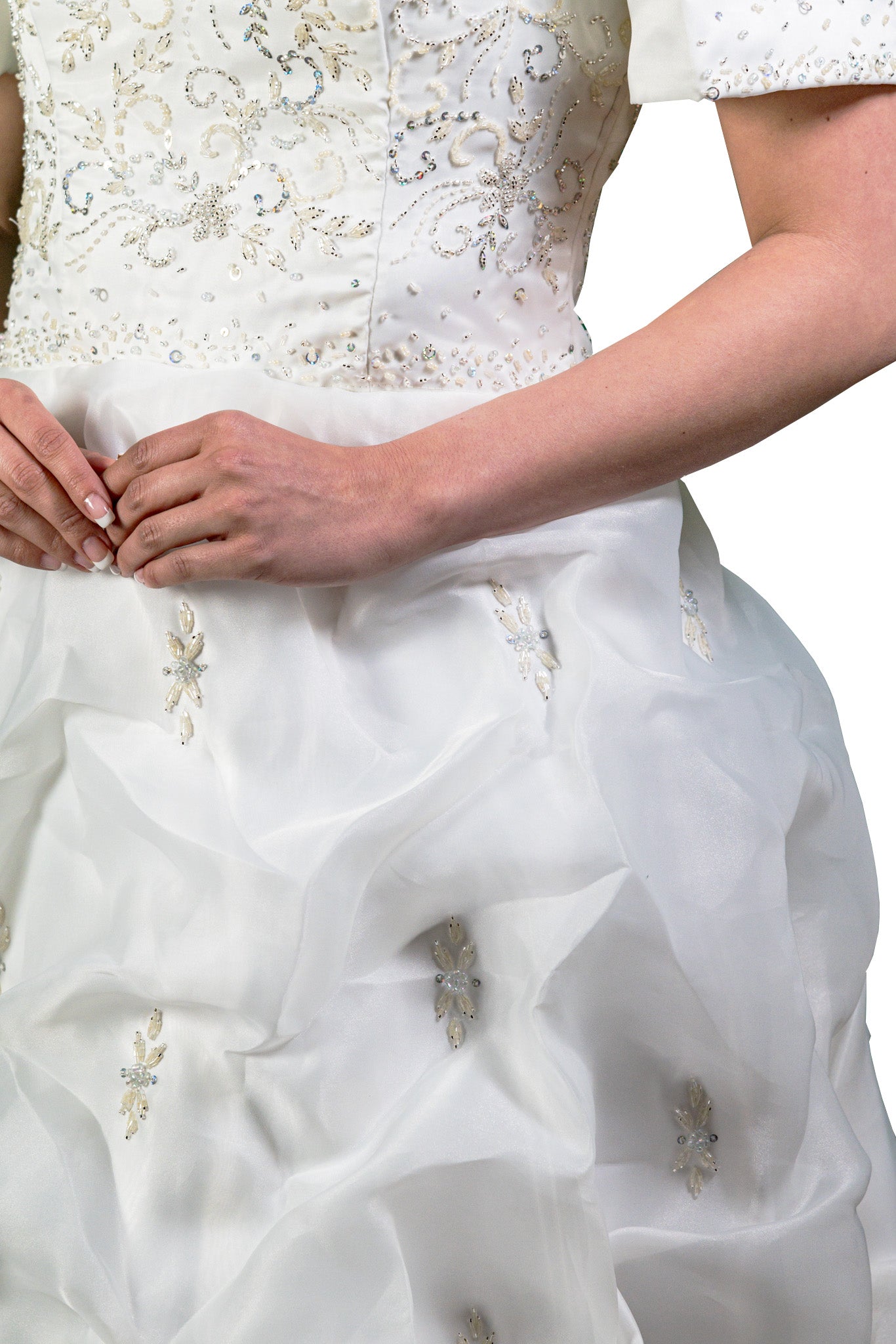
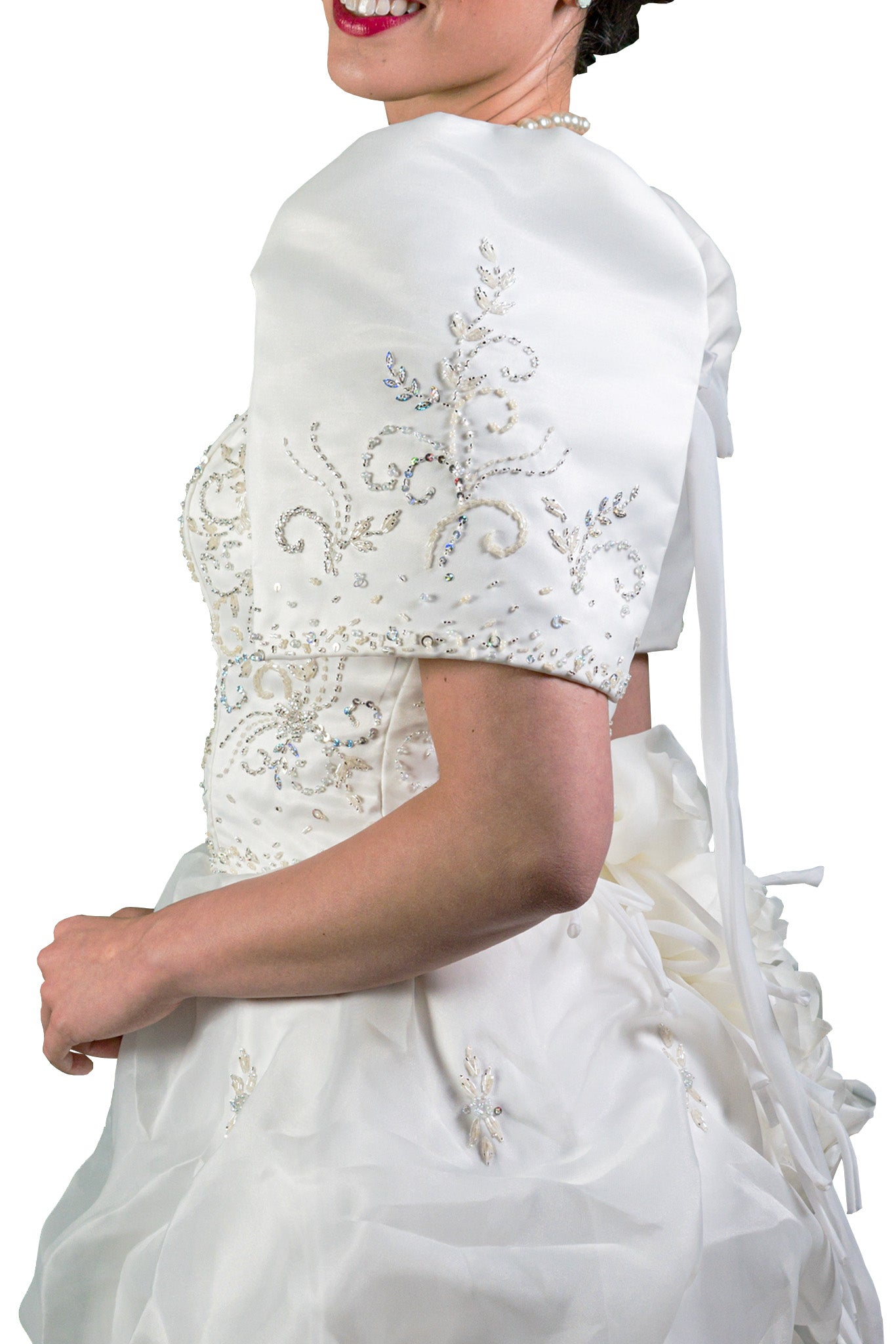
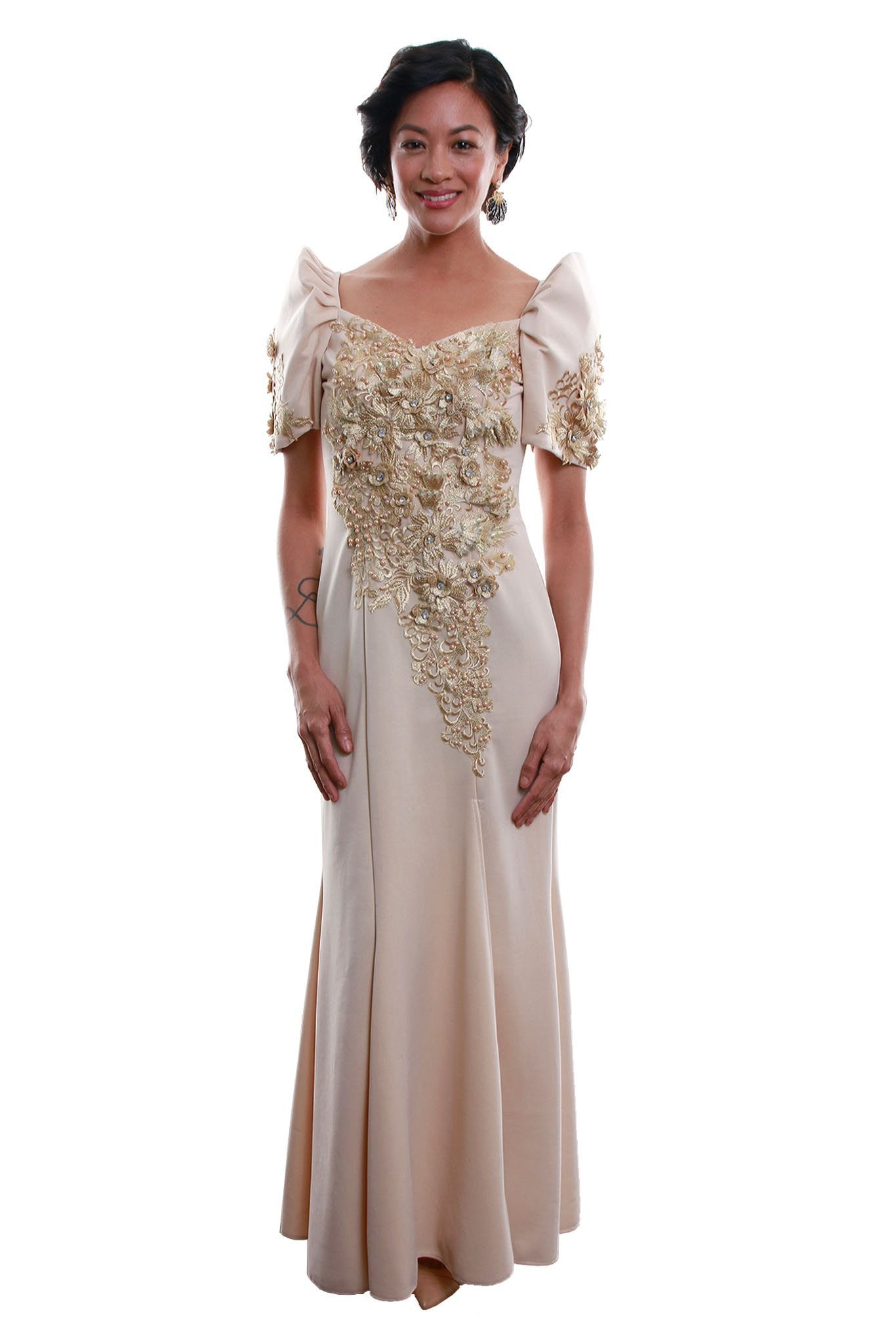
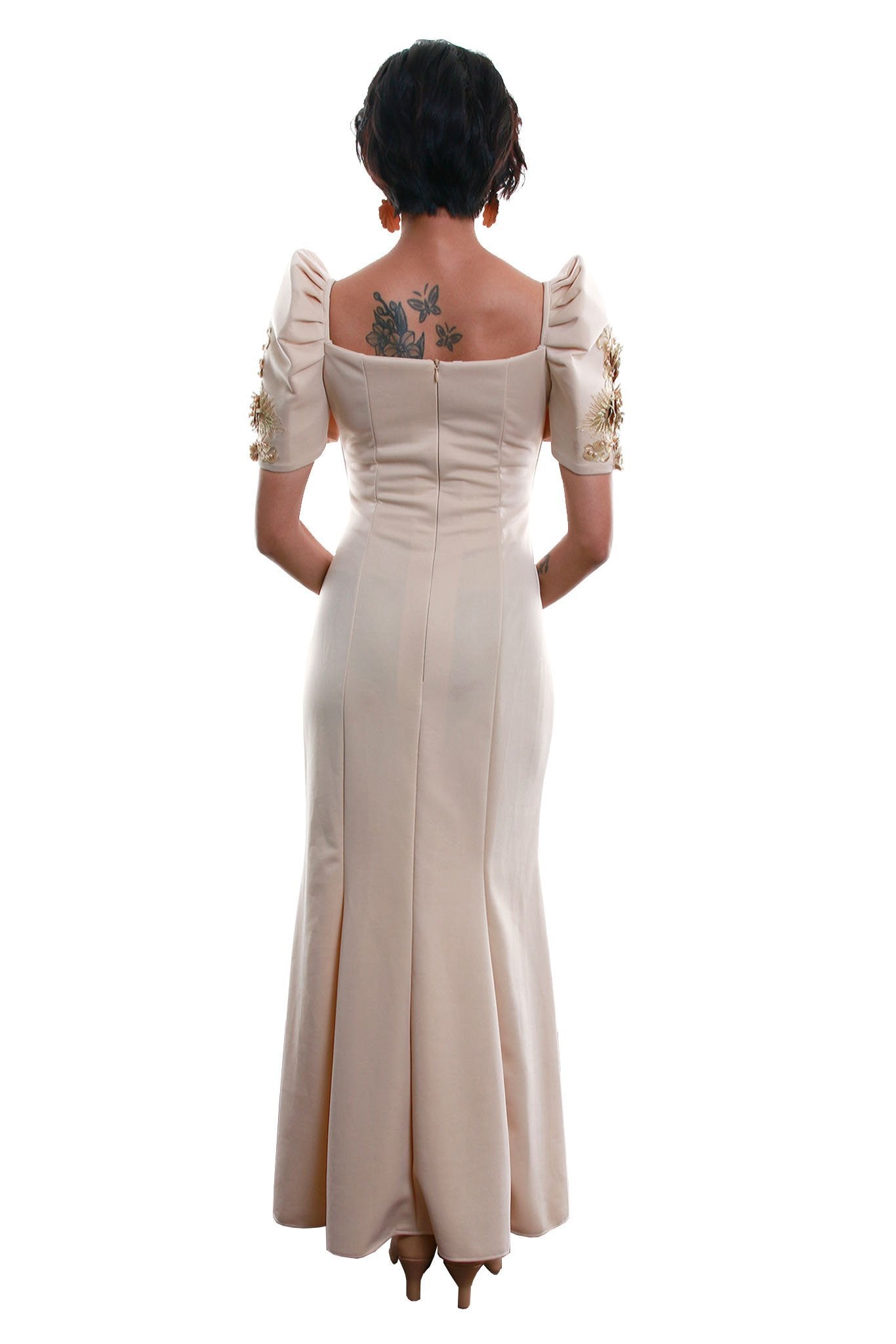
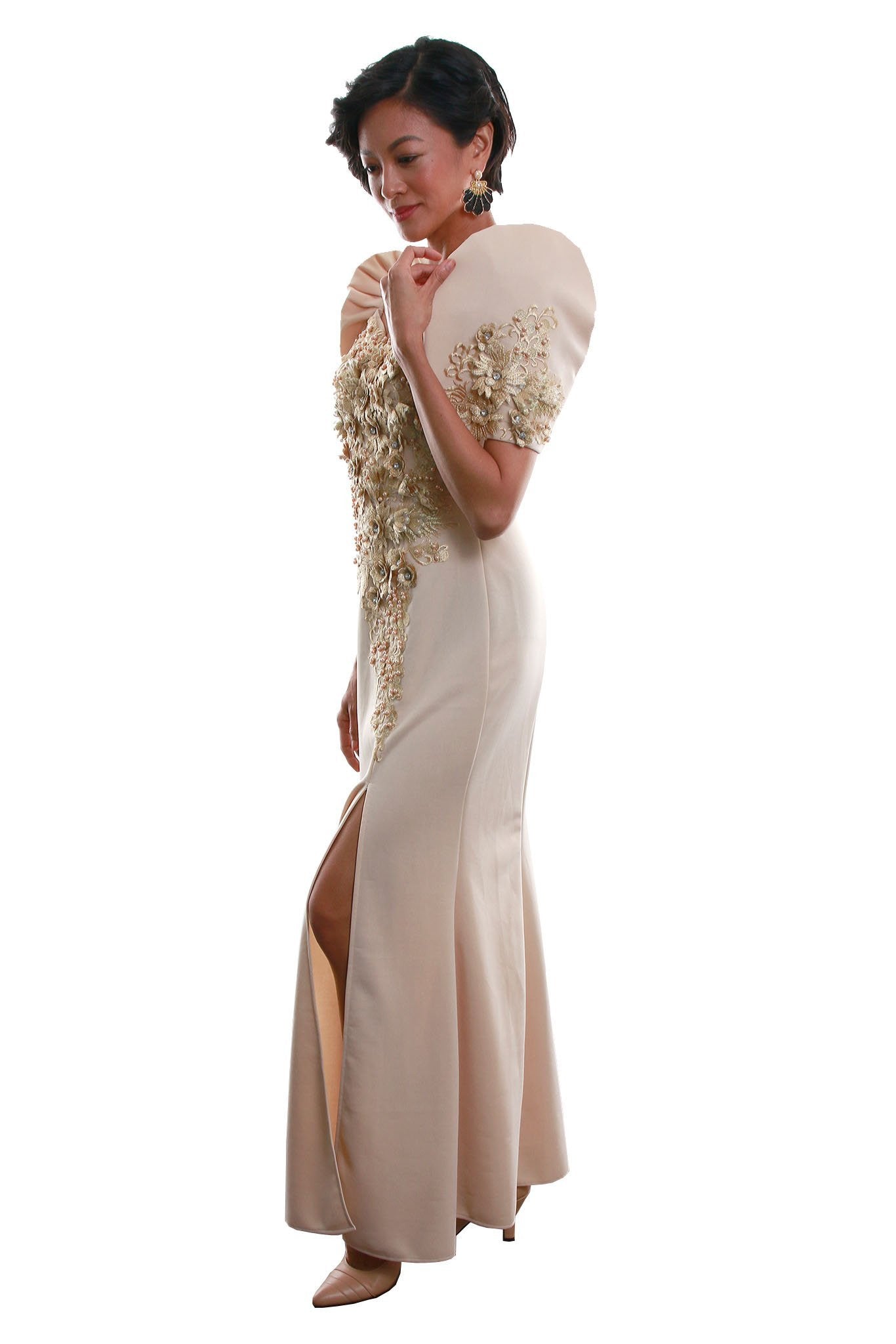
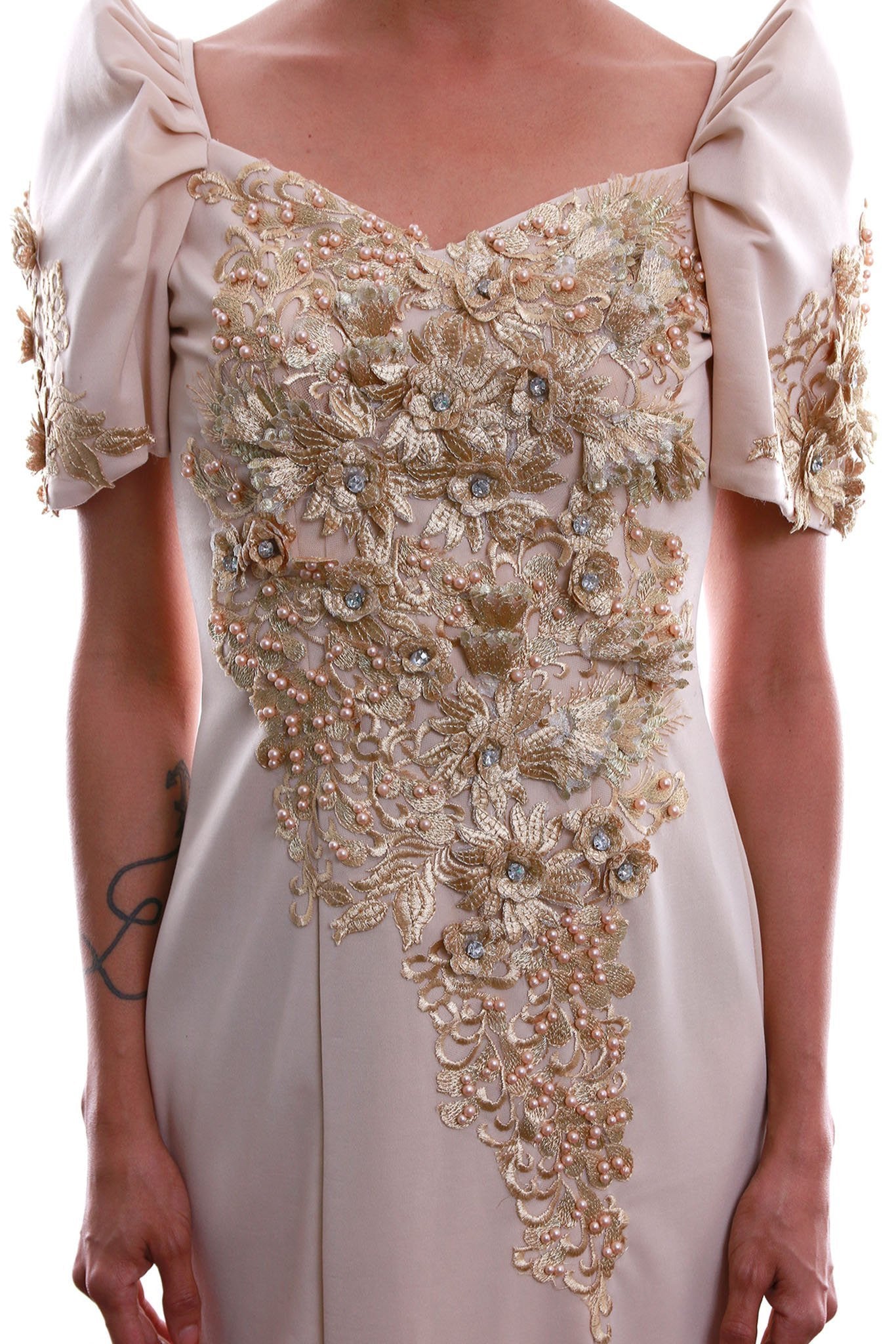
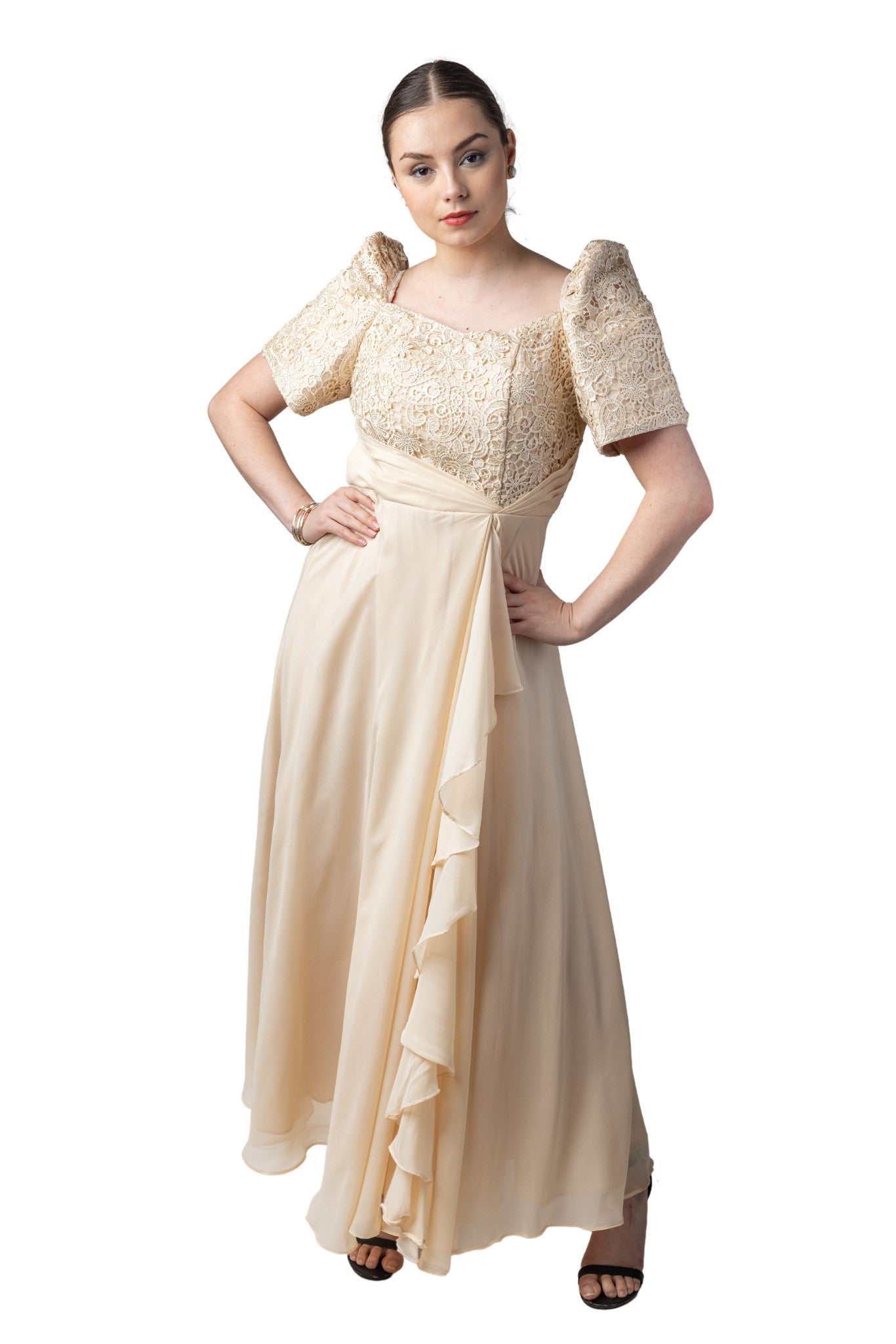
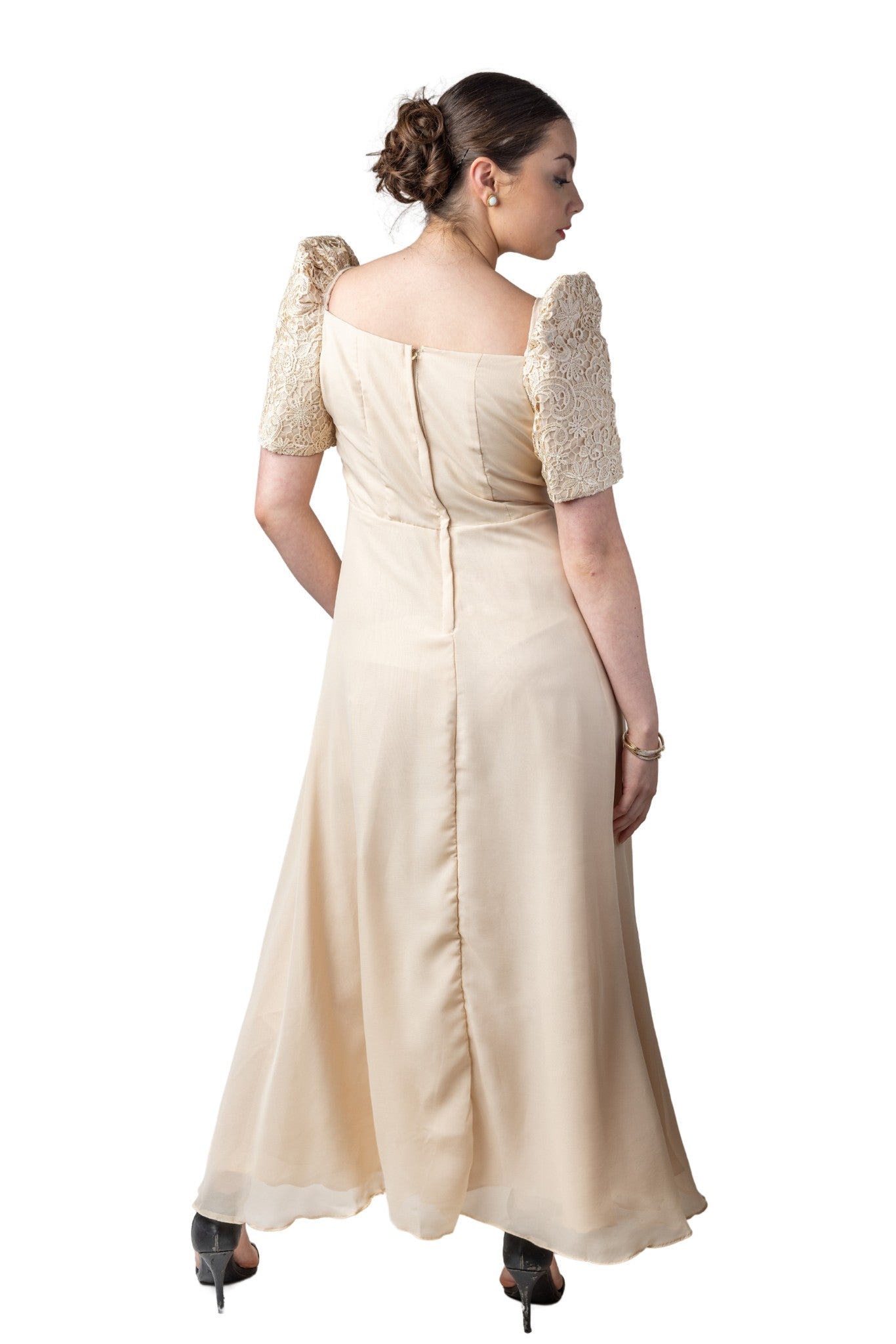
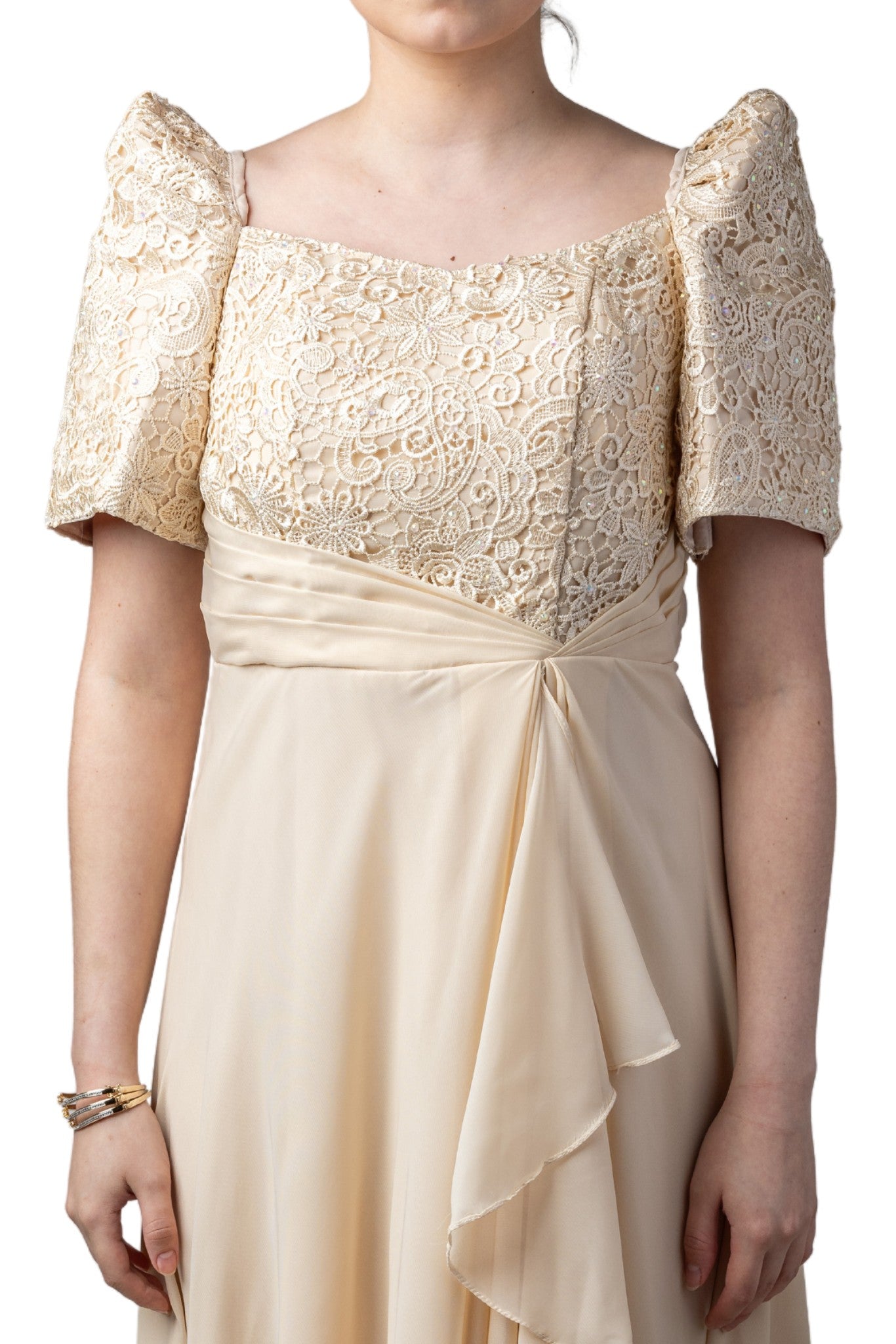
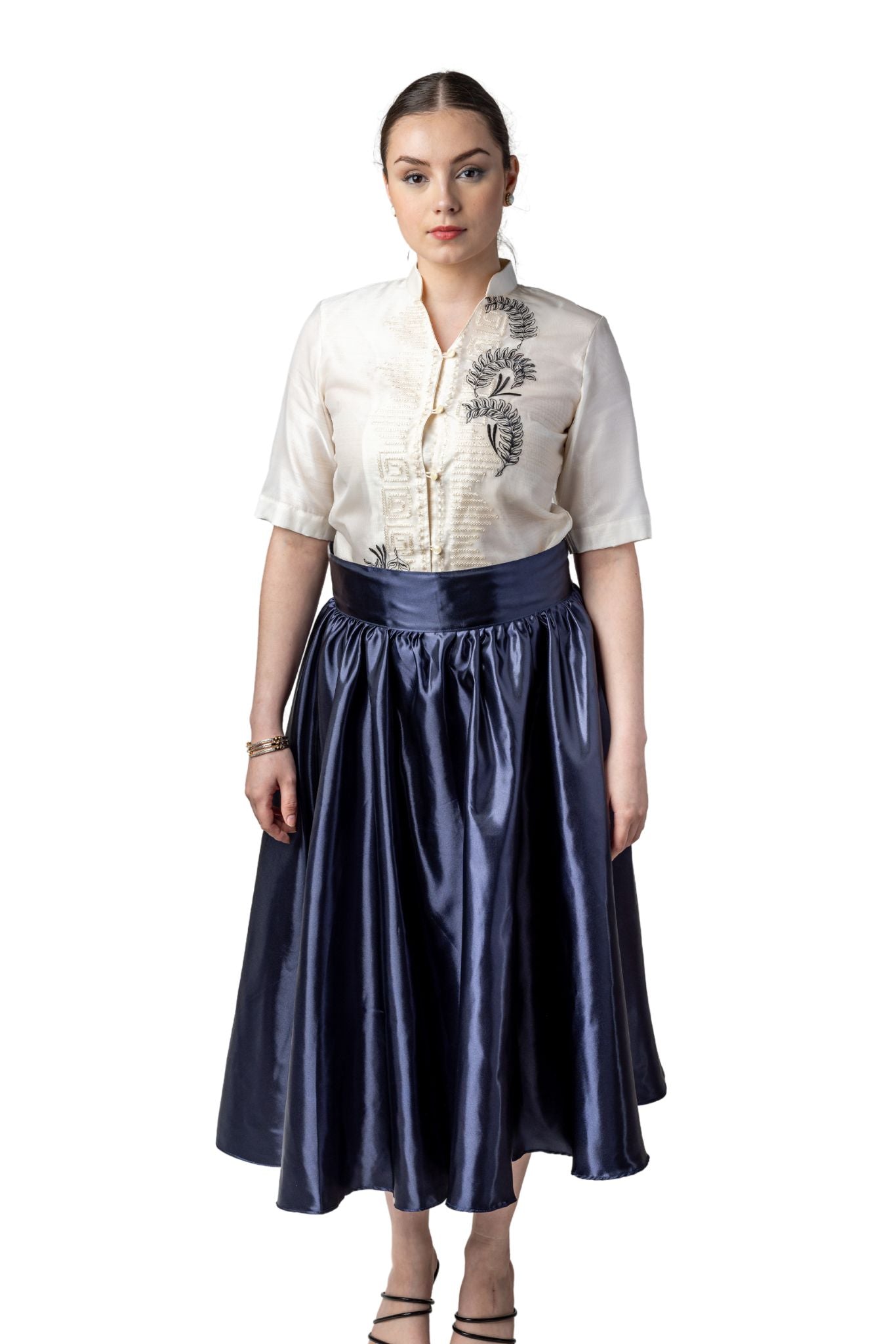
WD07 - Neoprene Mestiza Gown Mocha - Filipiniana
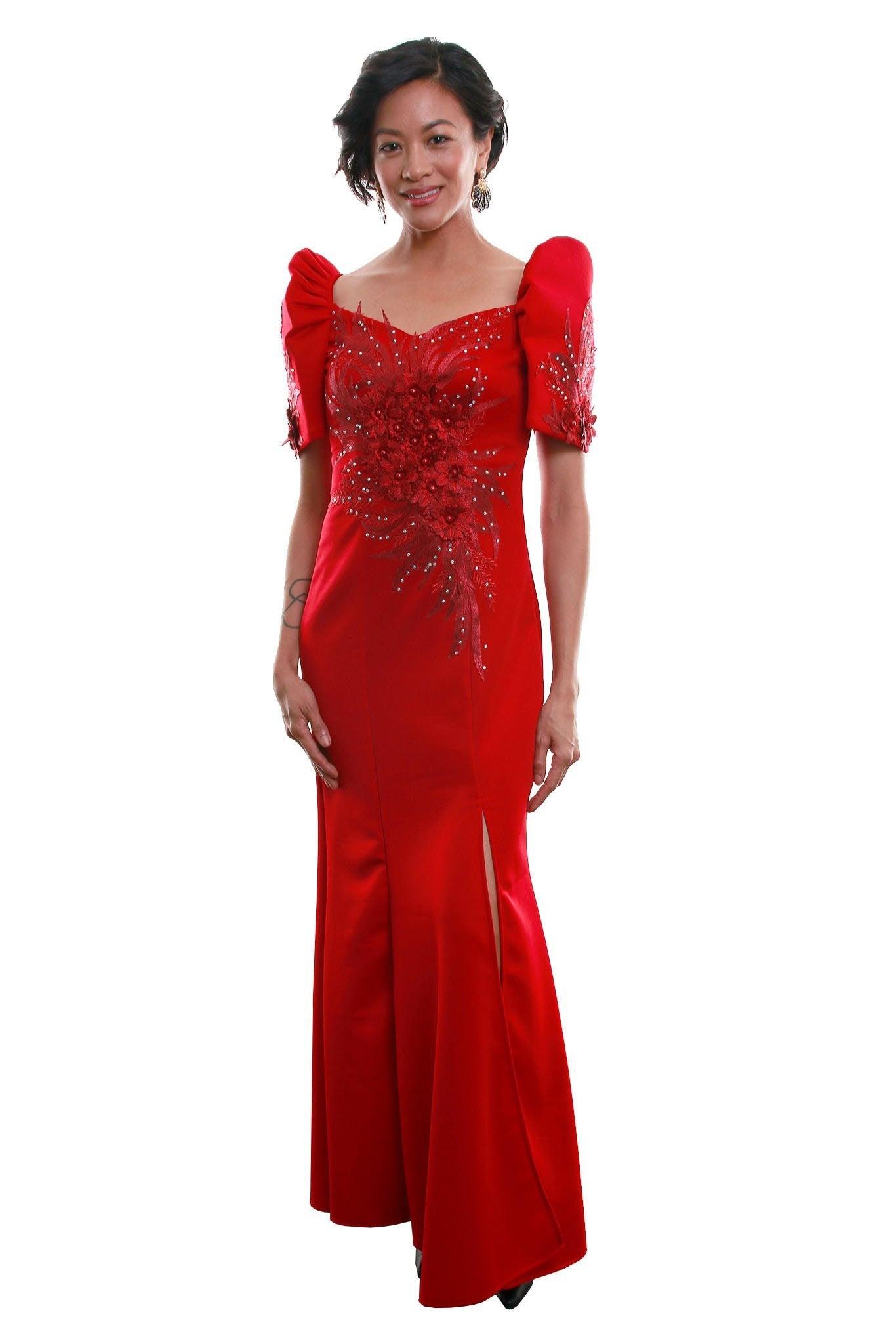
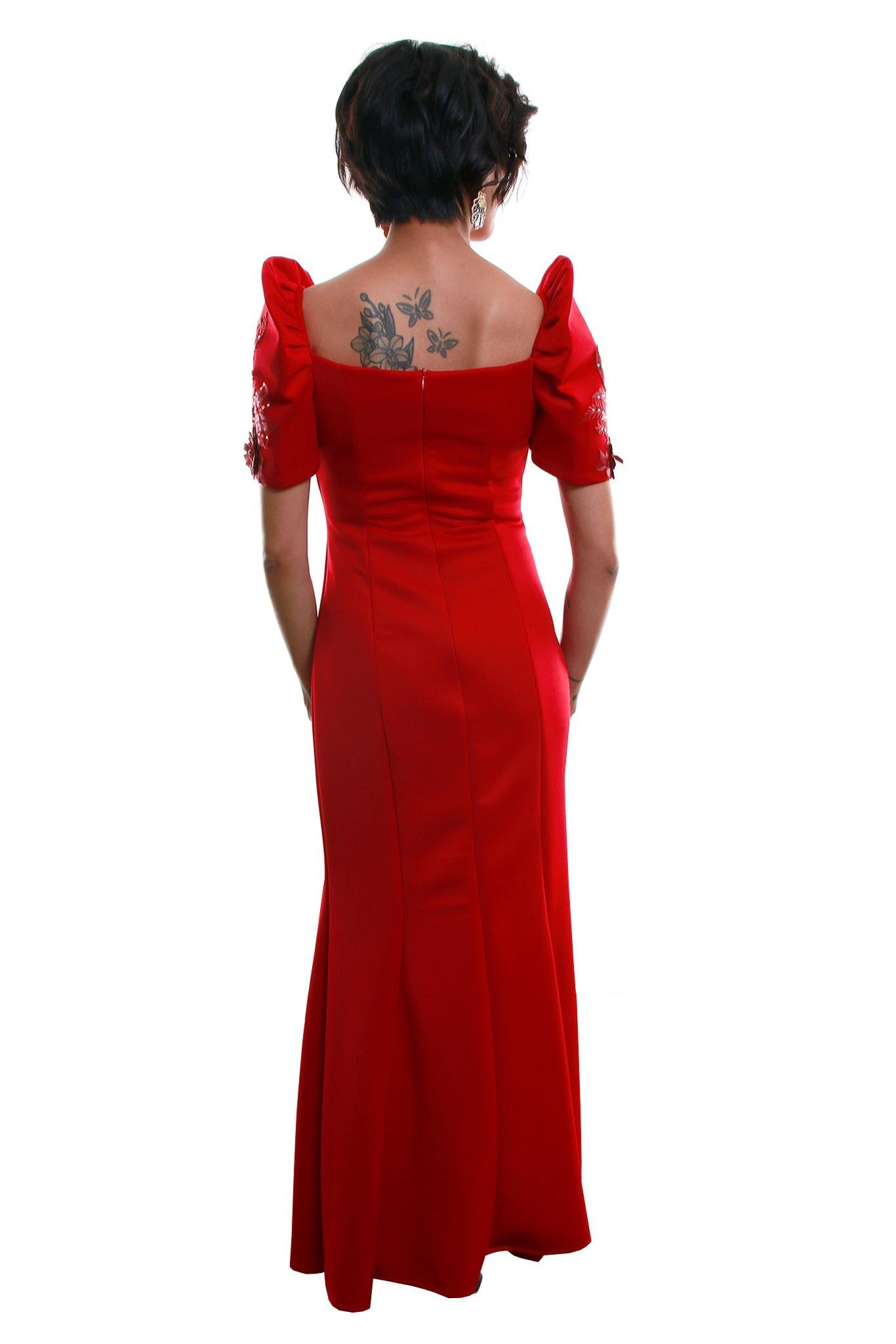
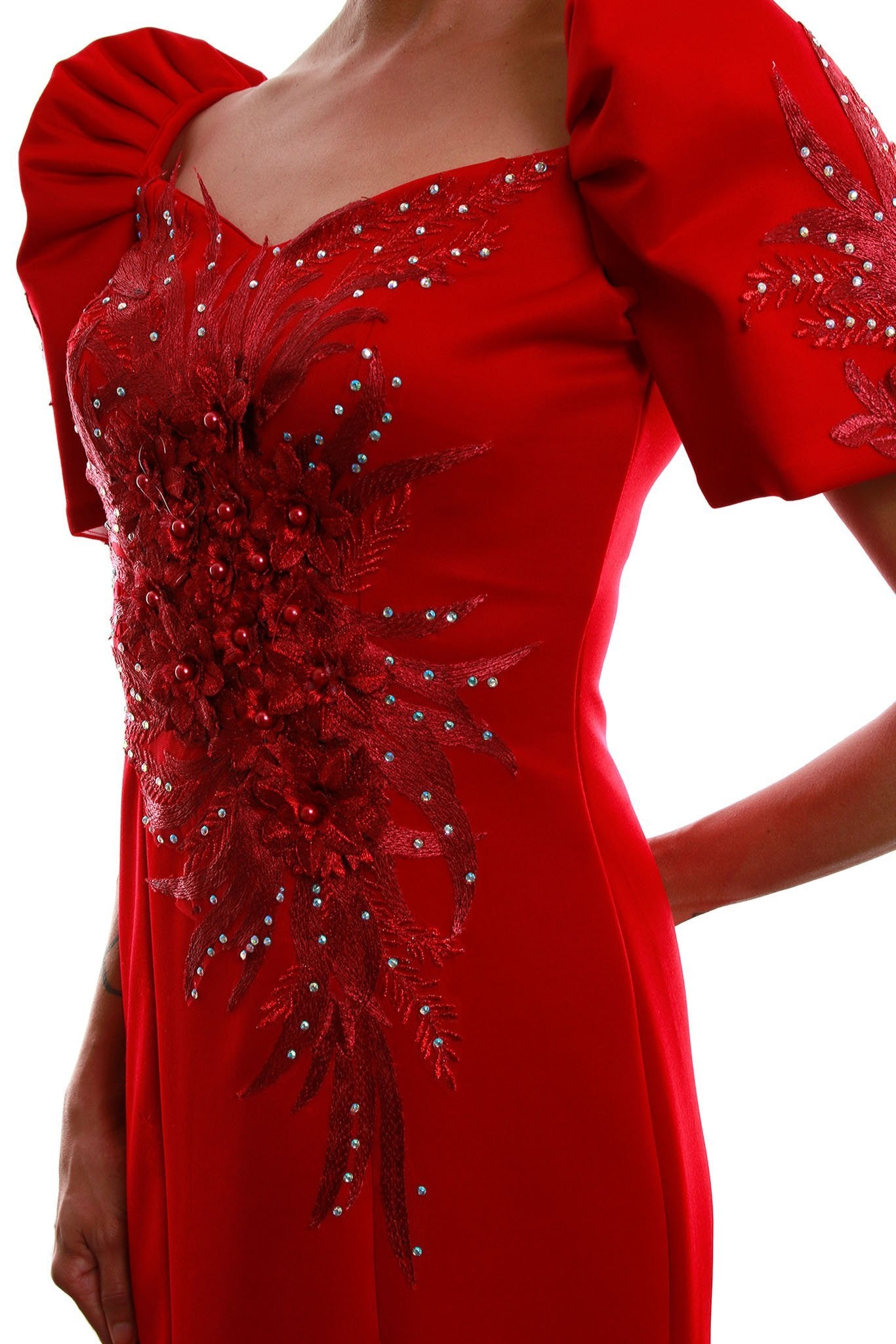
WD08 - Neoprene Mestiza Gown Red - Filipiniana
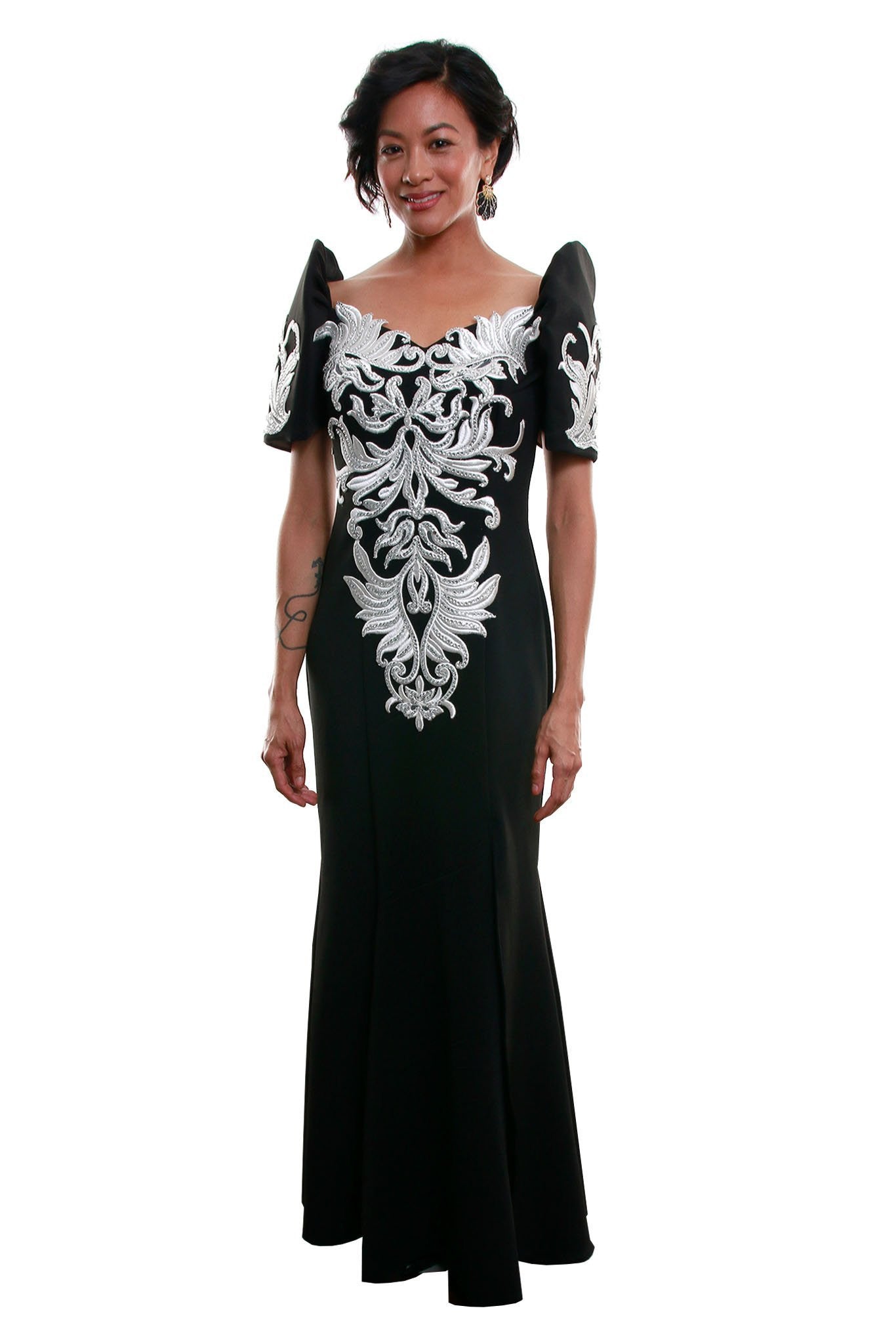
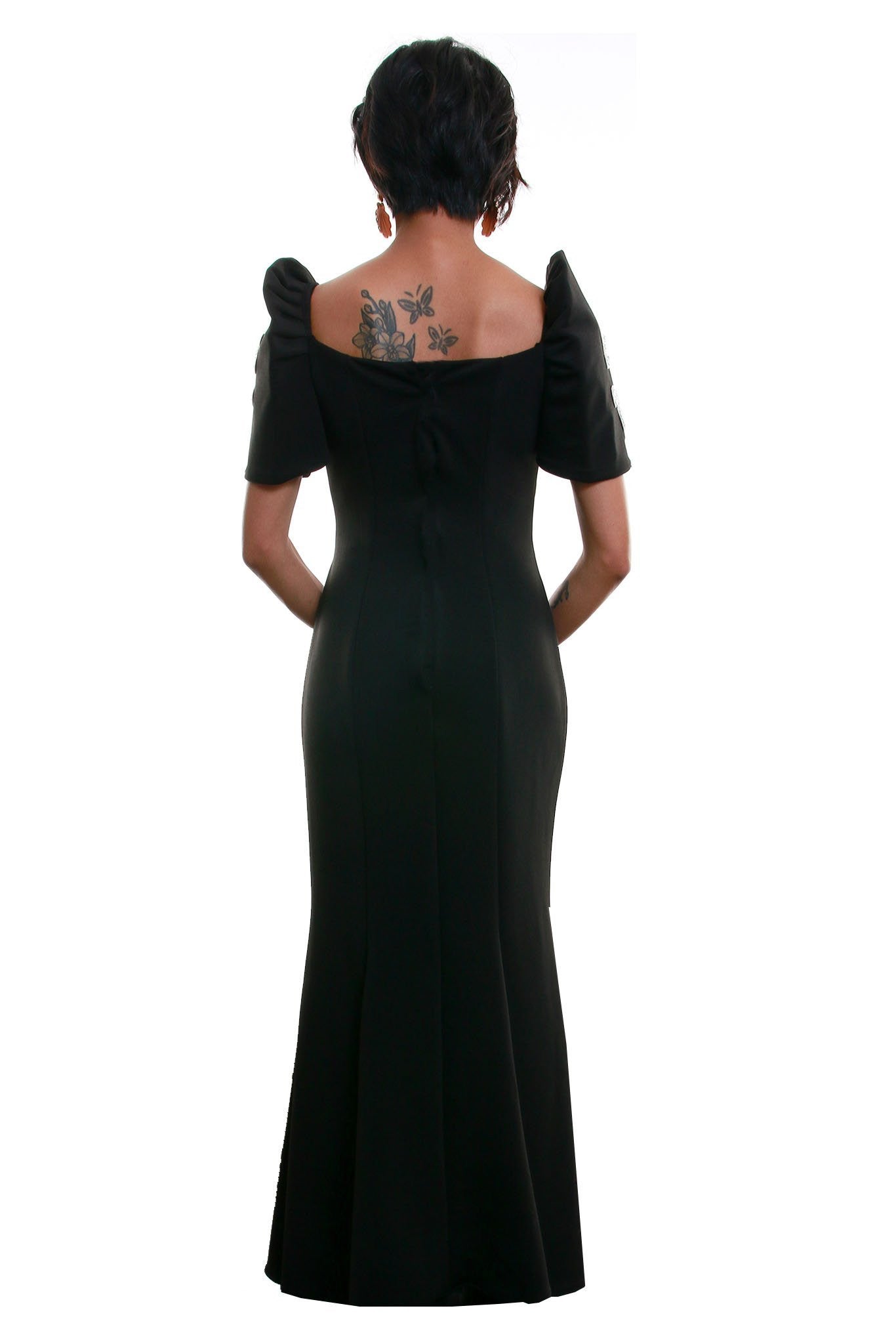

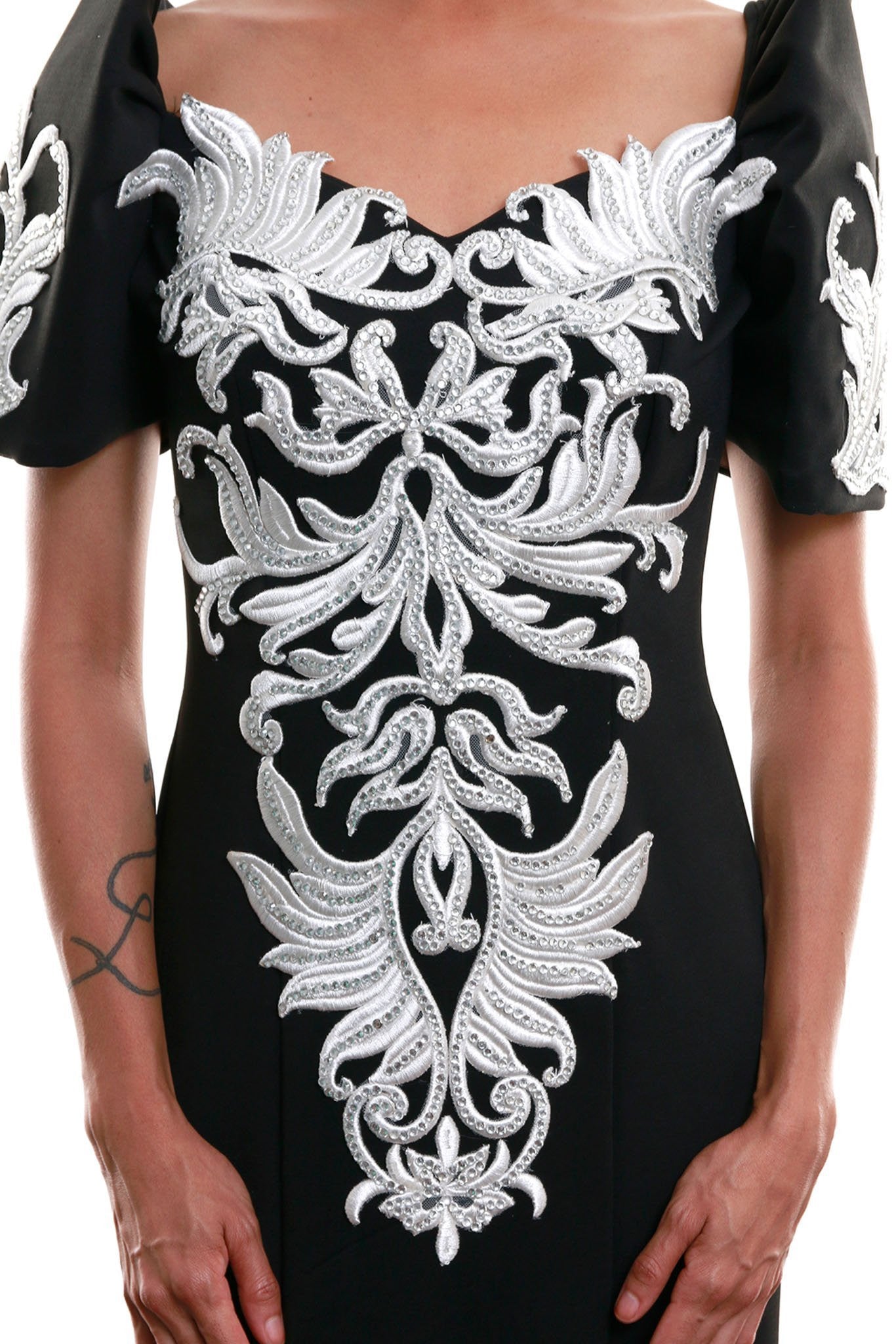
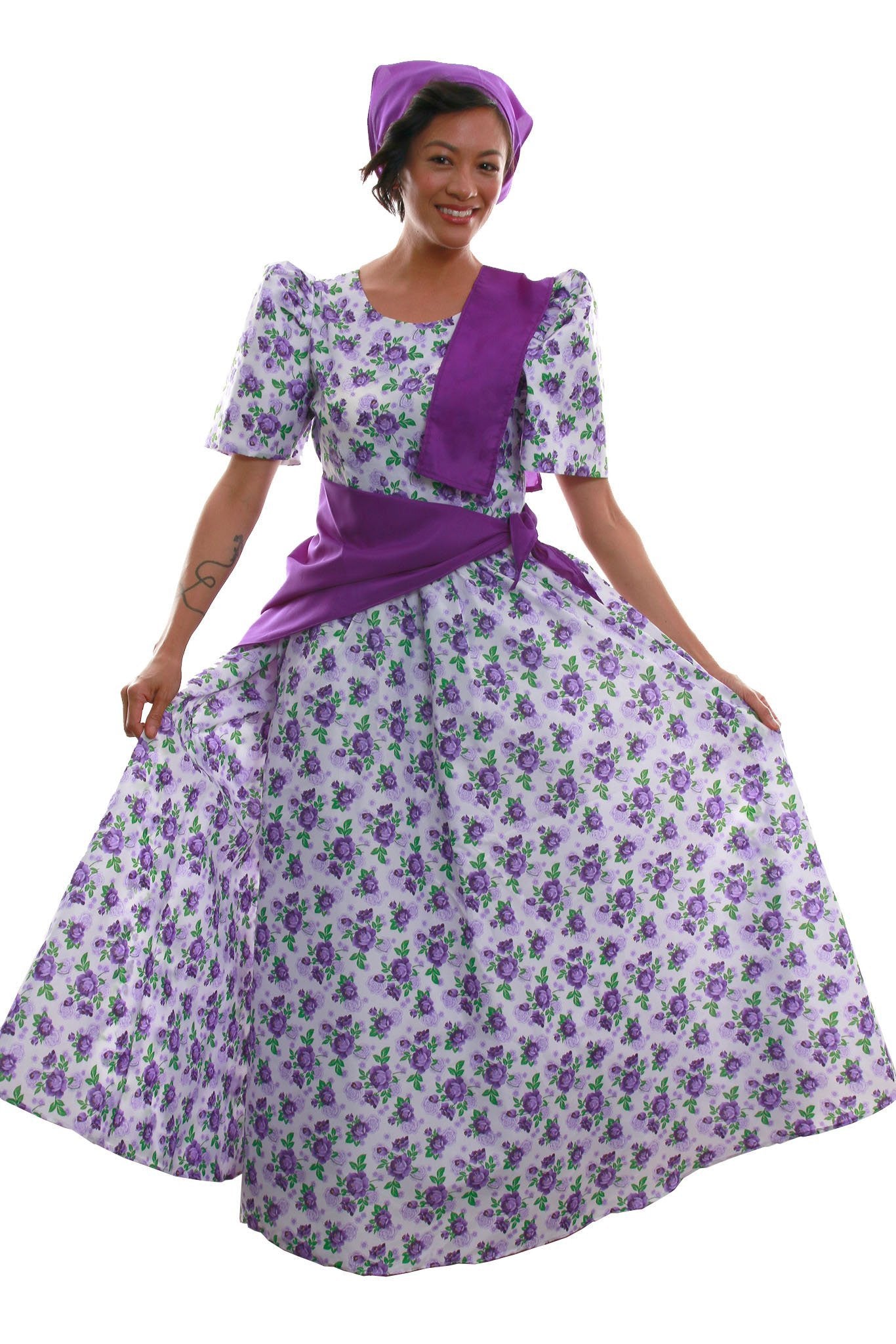
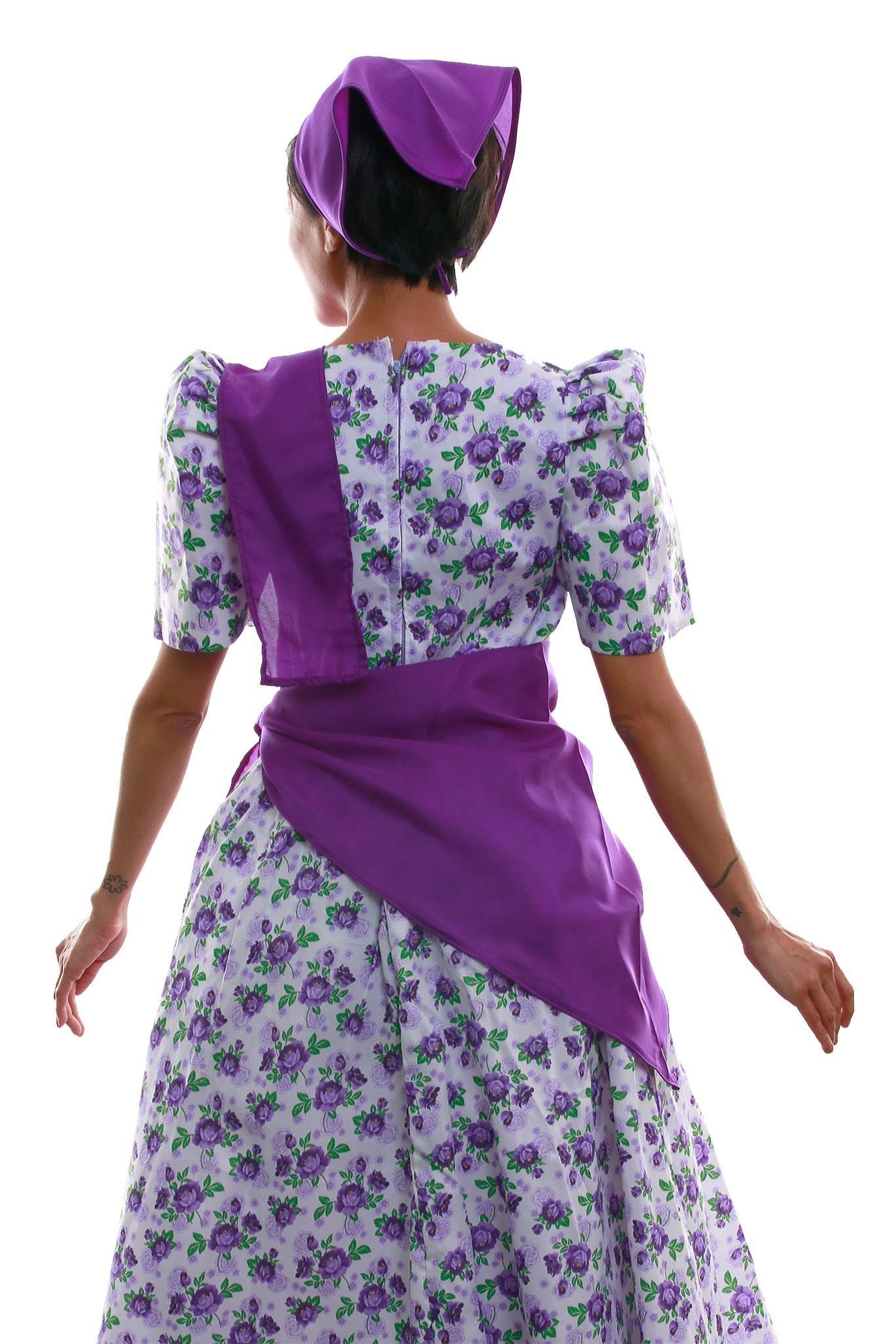
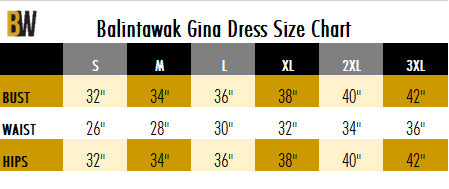
WS20 - Balintawak Gina Dress Purple - Filipiniana
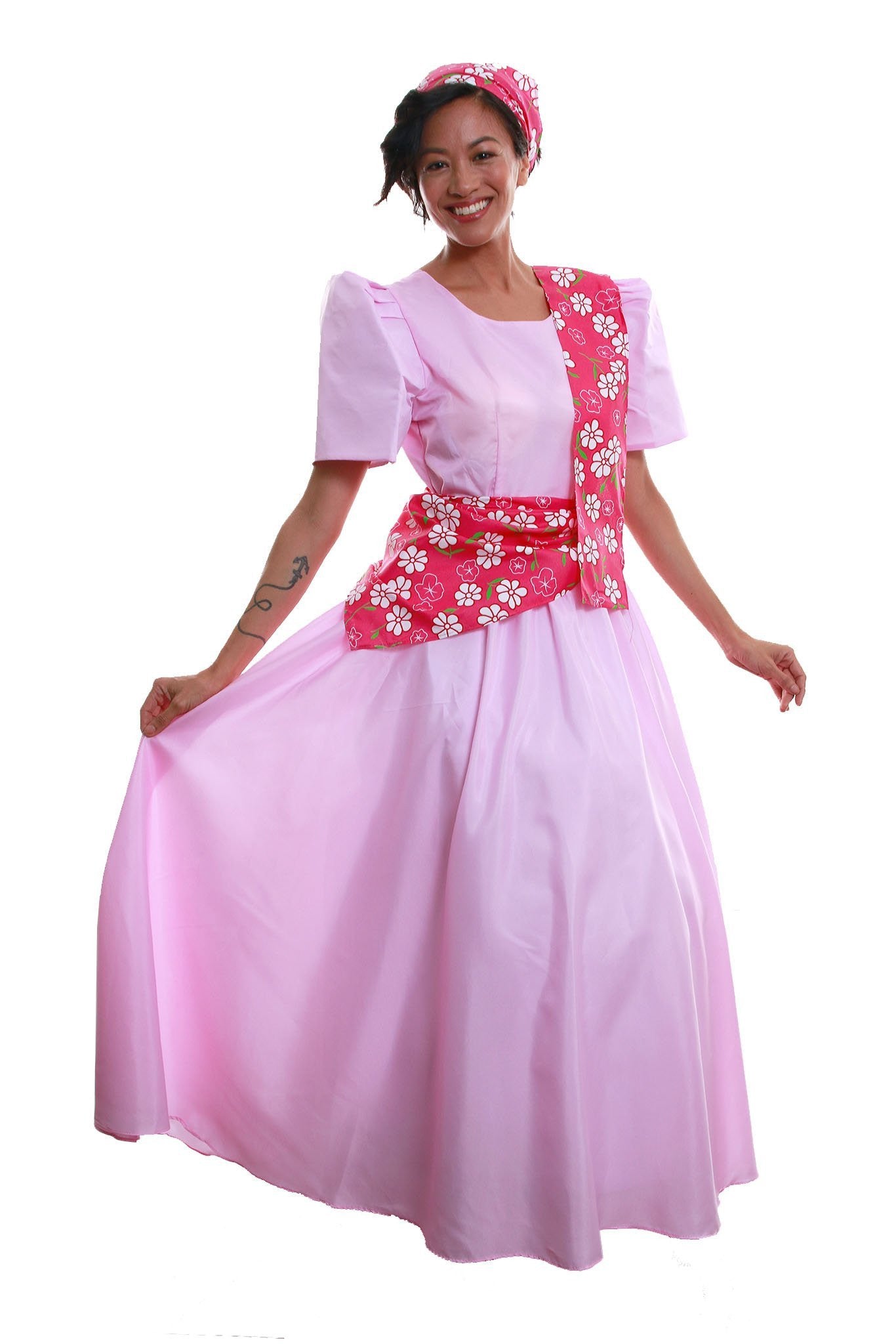
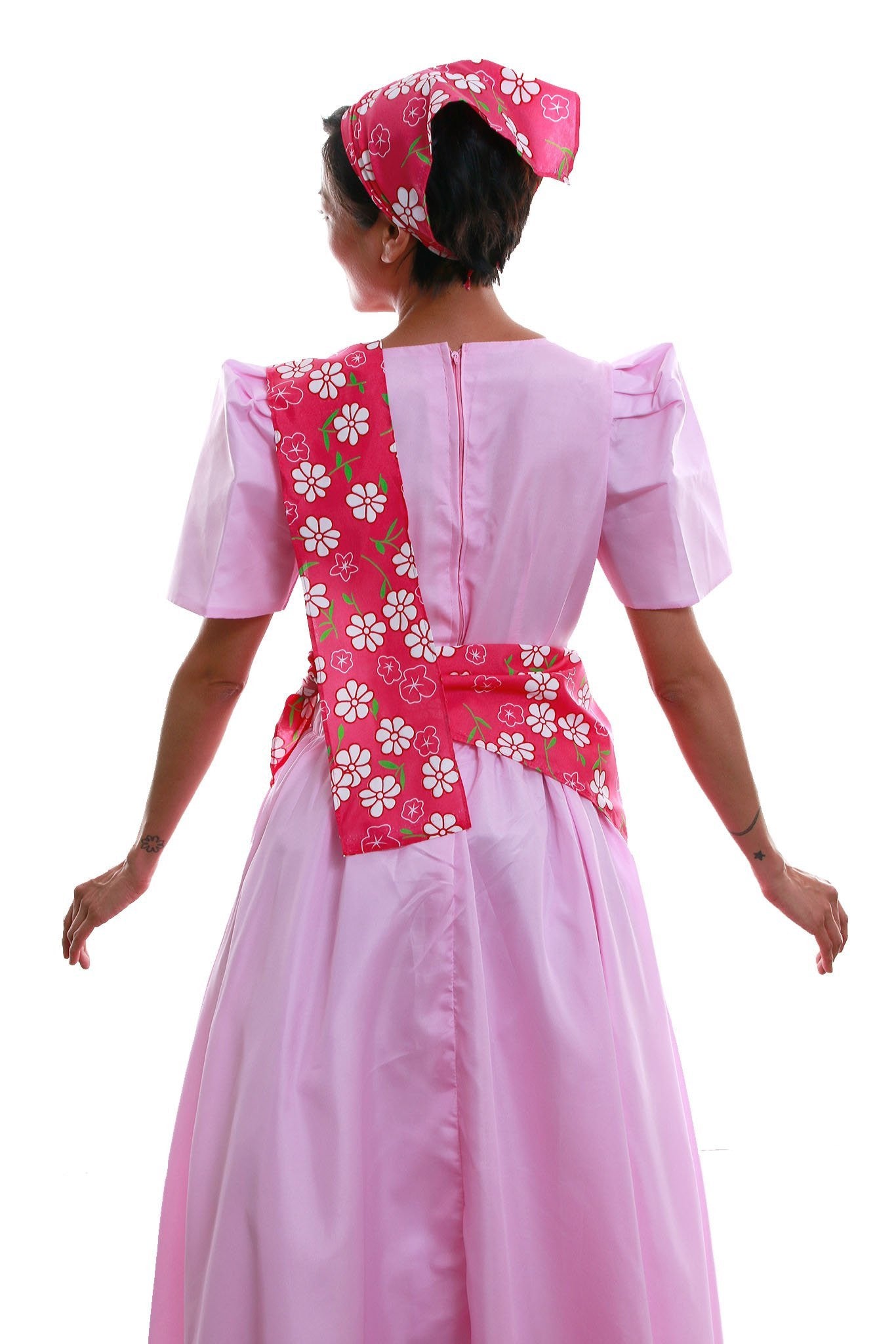
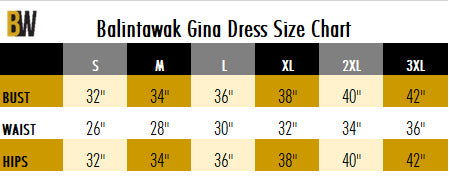
WS19 - Balintawak Gina Dress Pink - Filipiniana
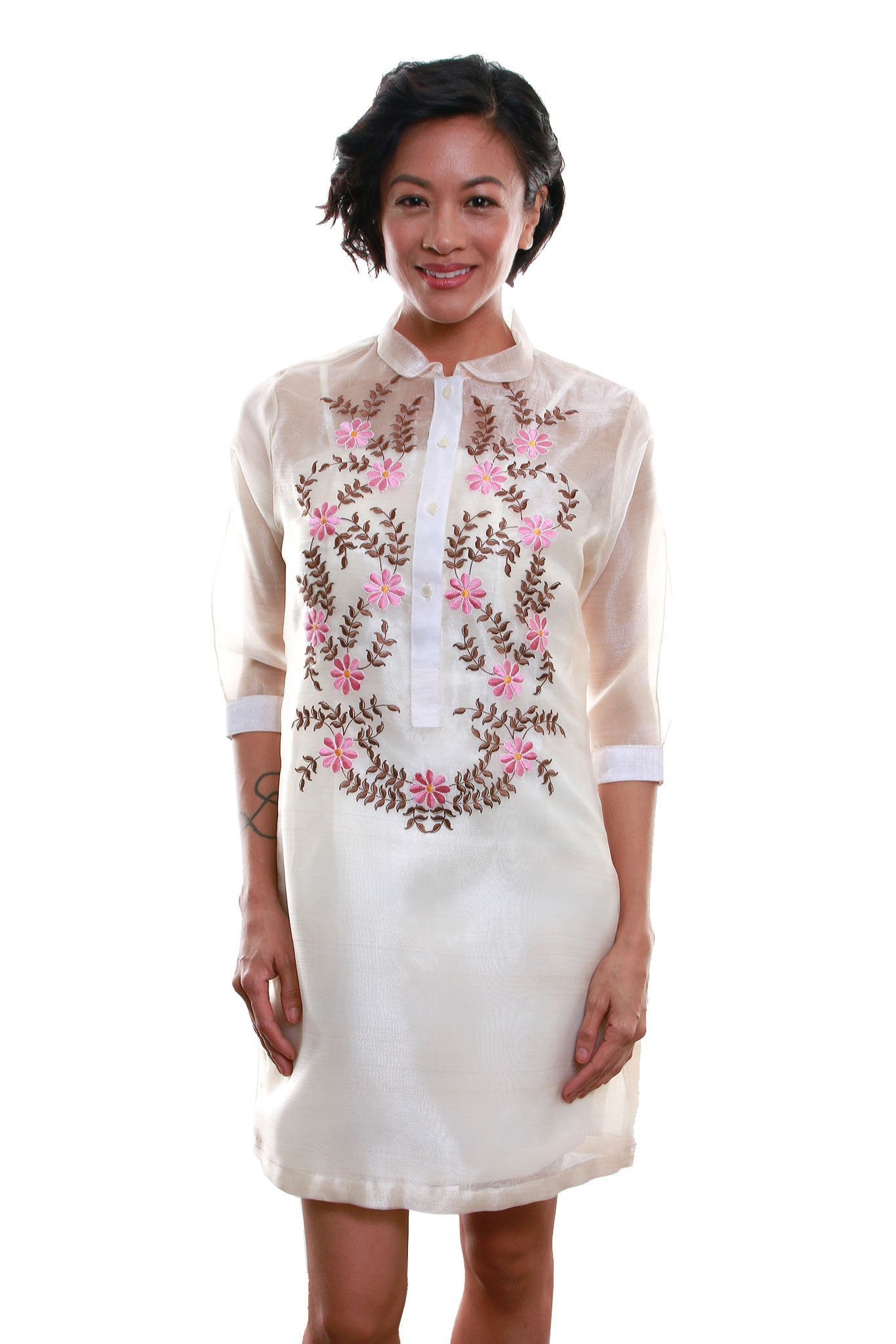
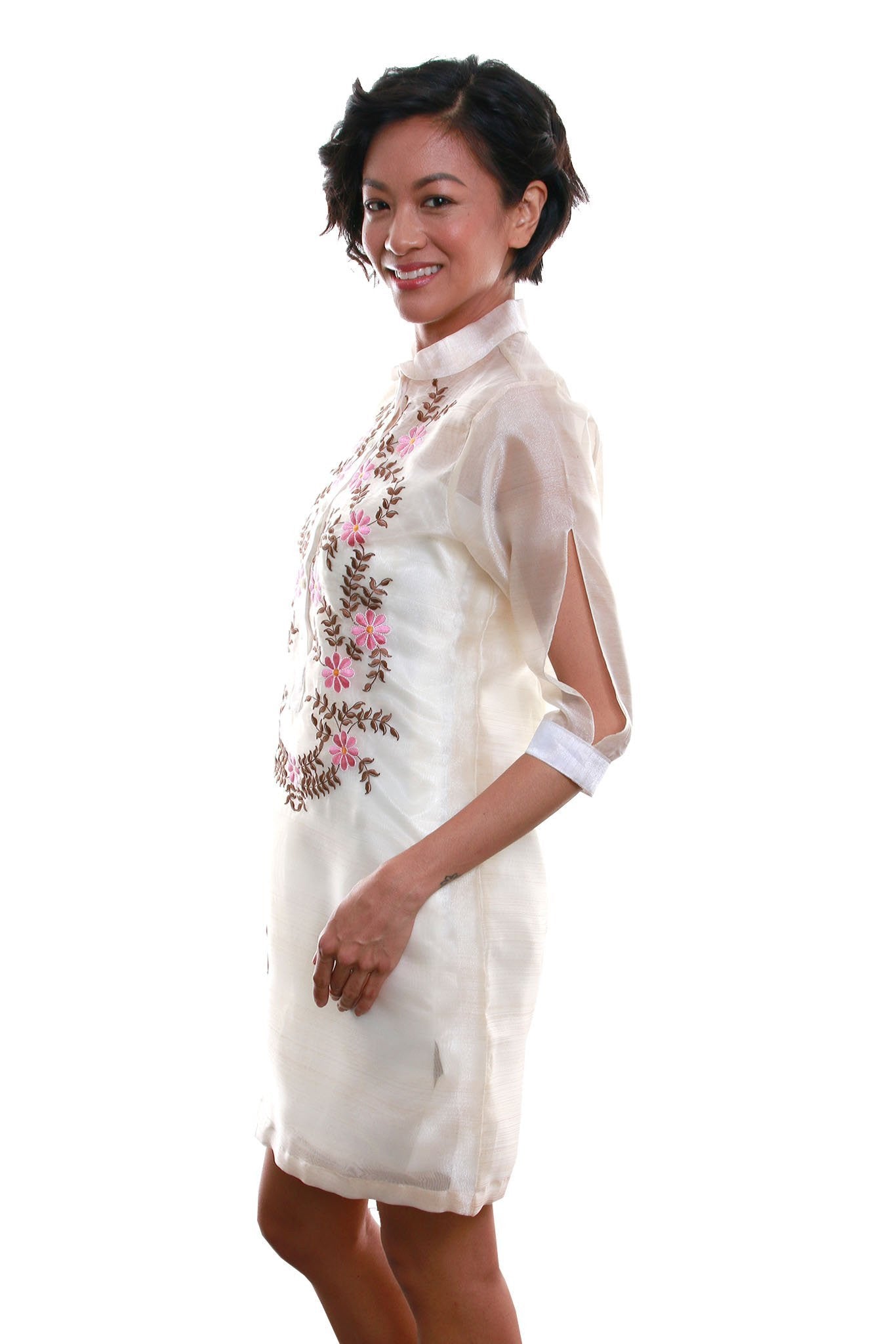


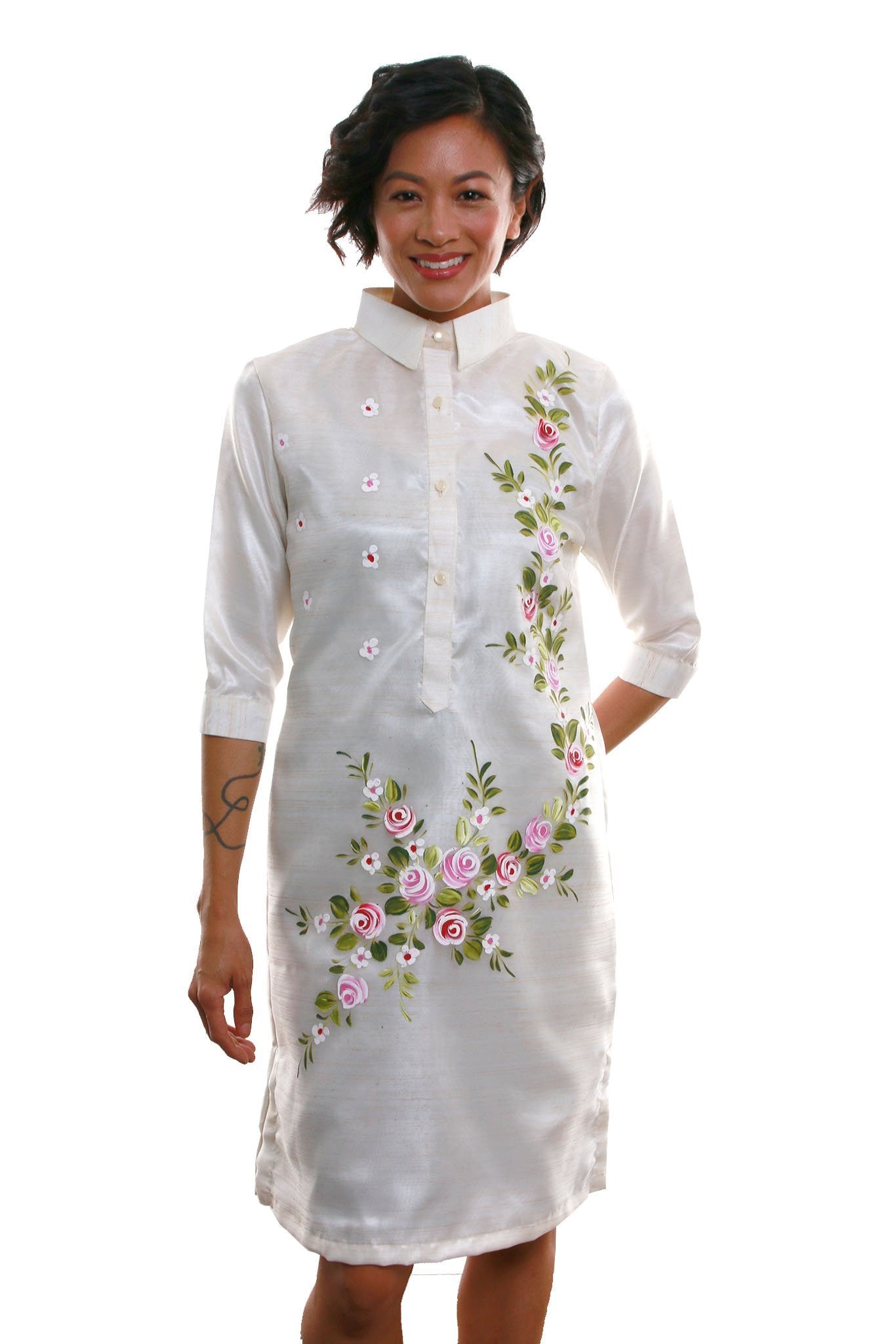
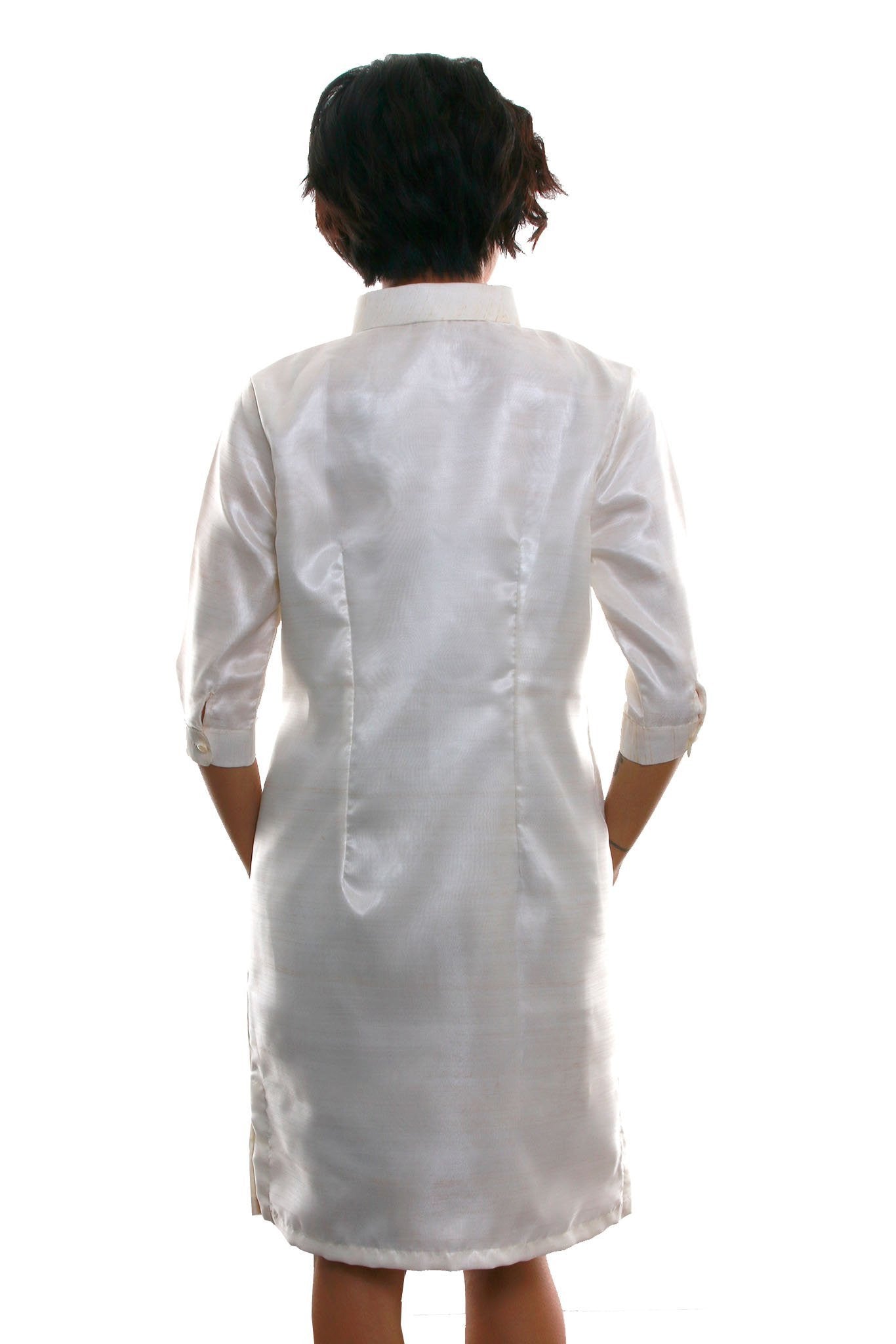


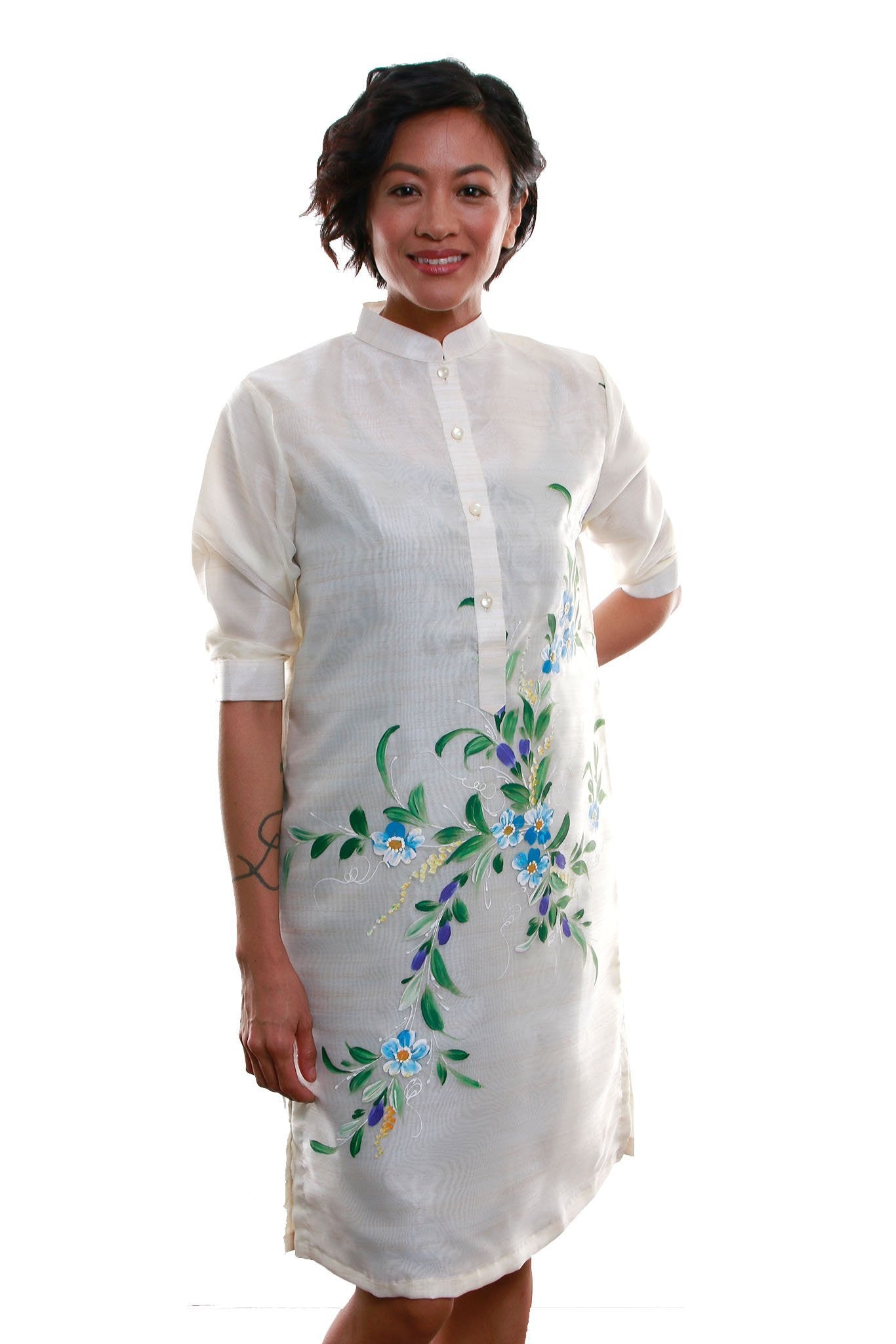
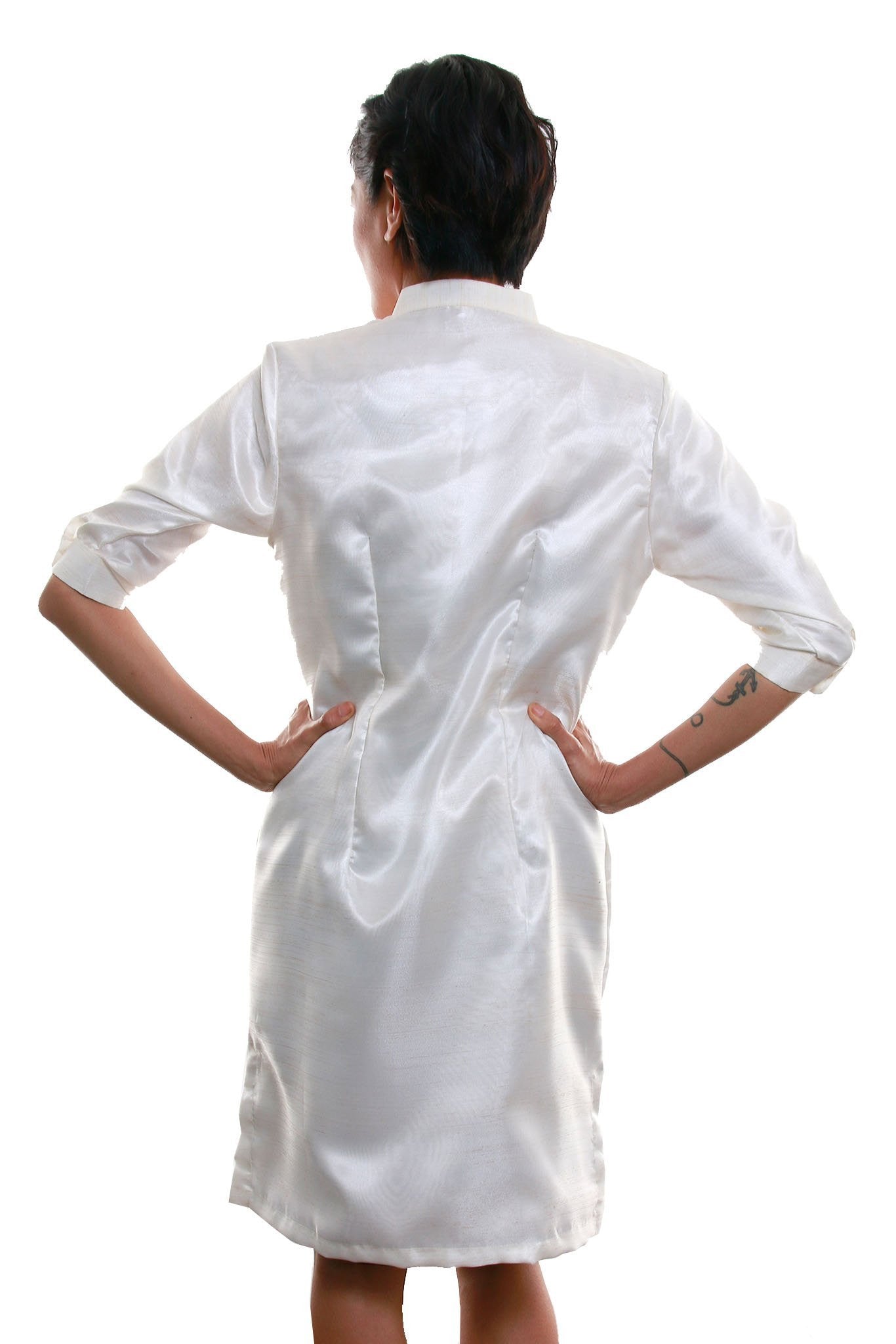
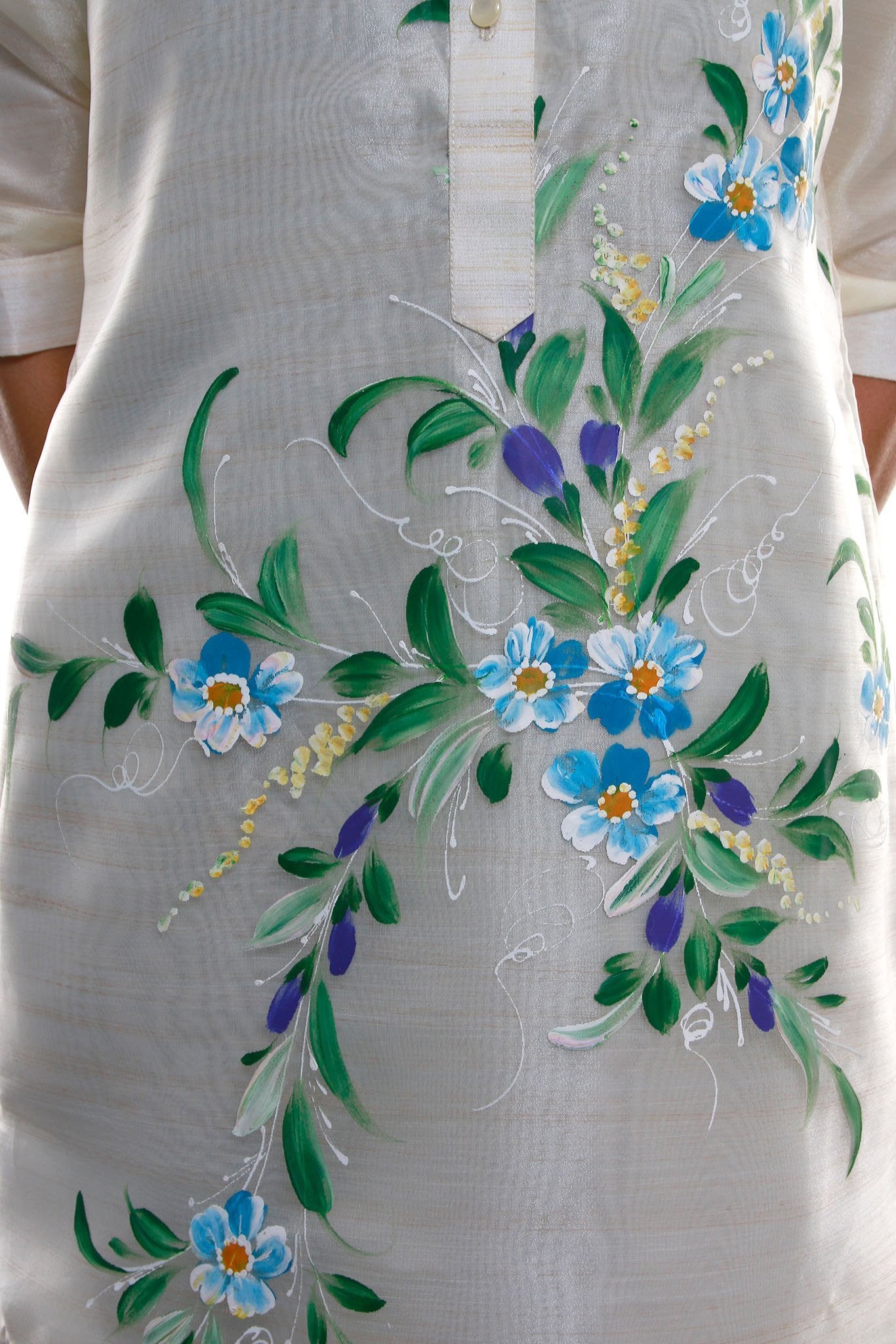
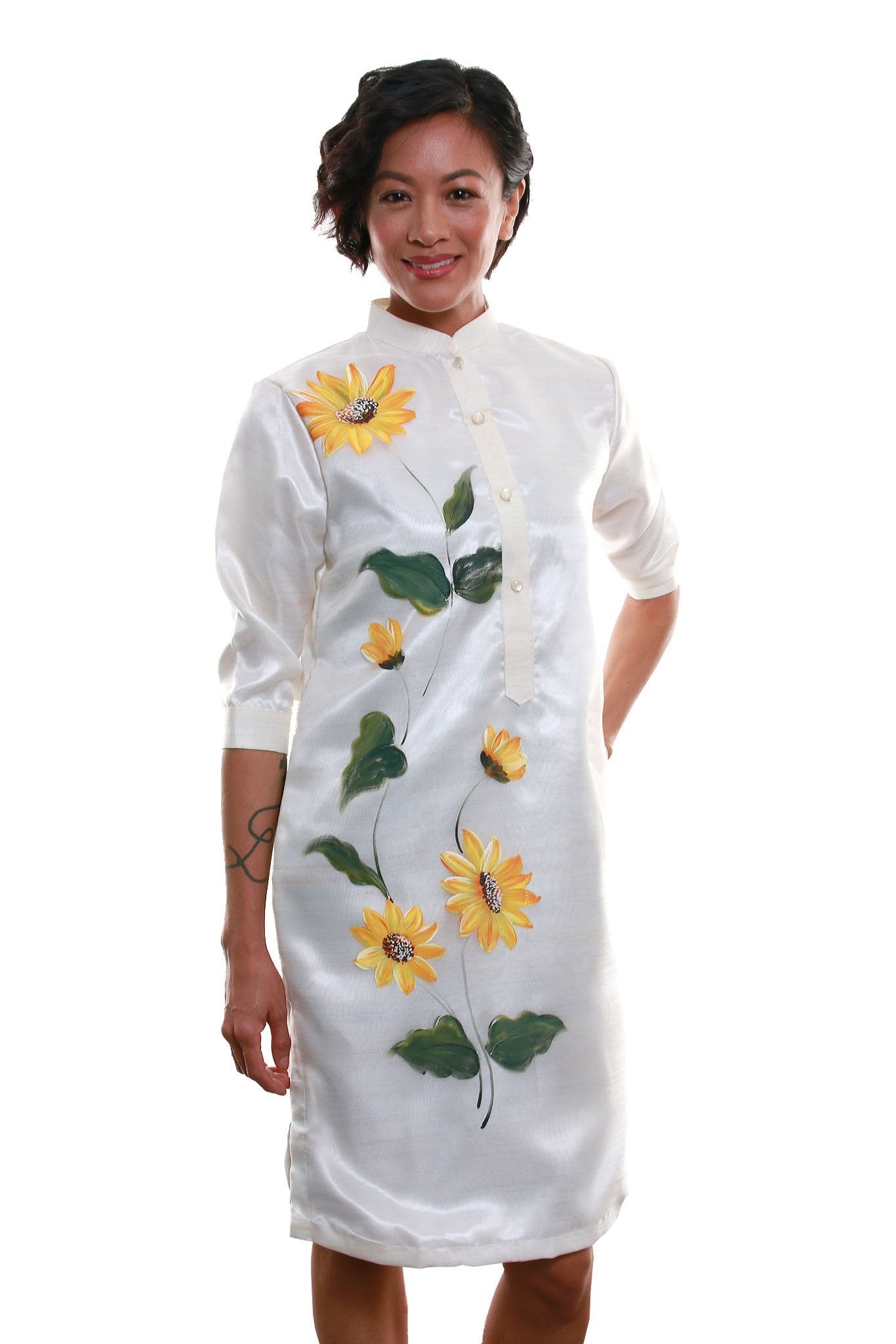
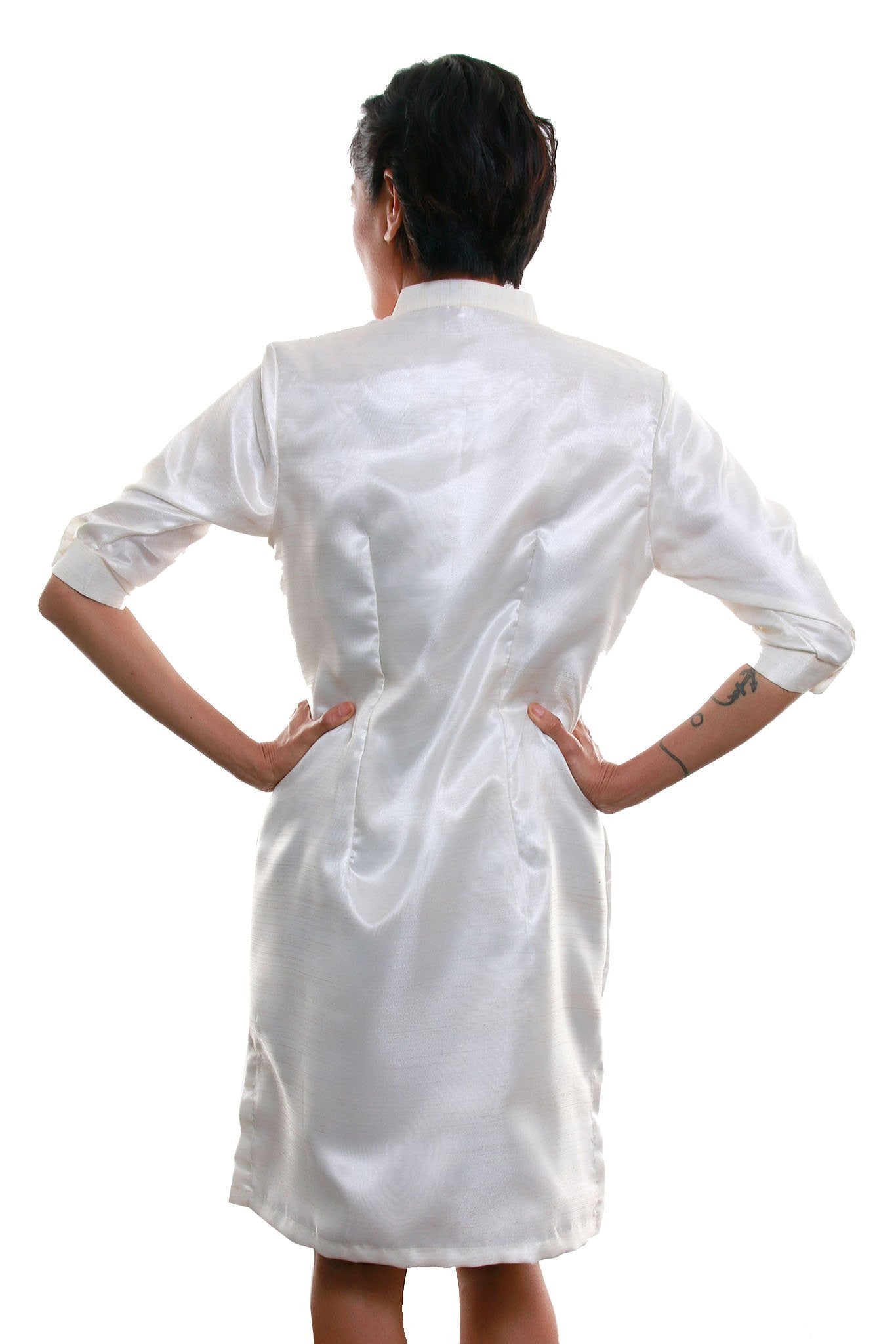
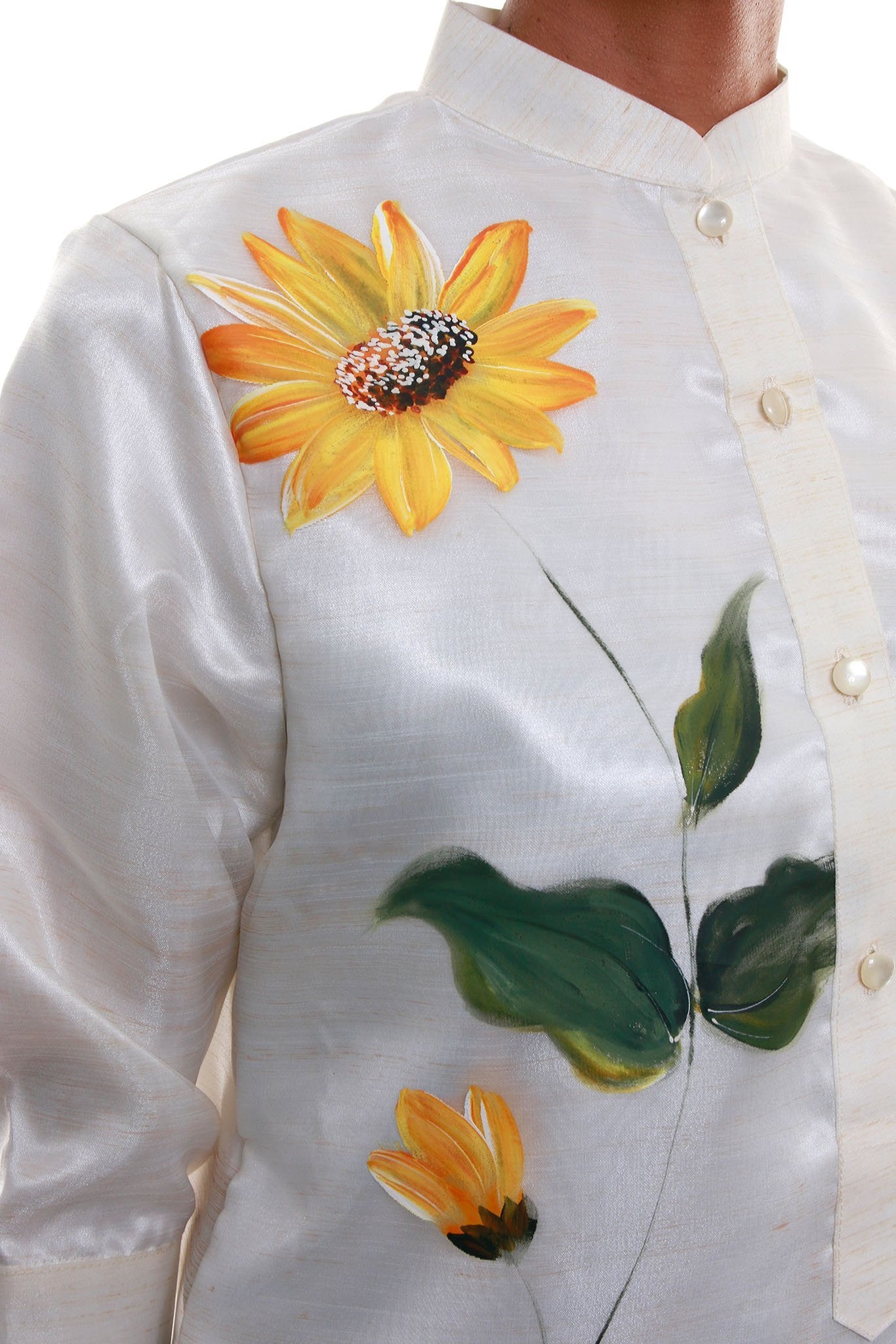
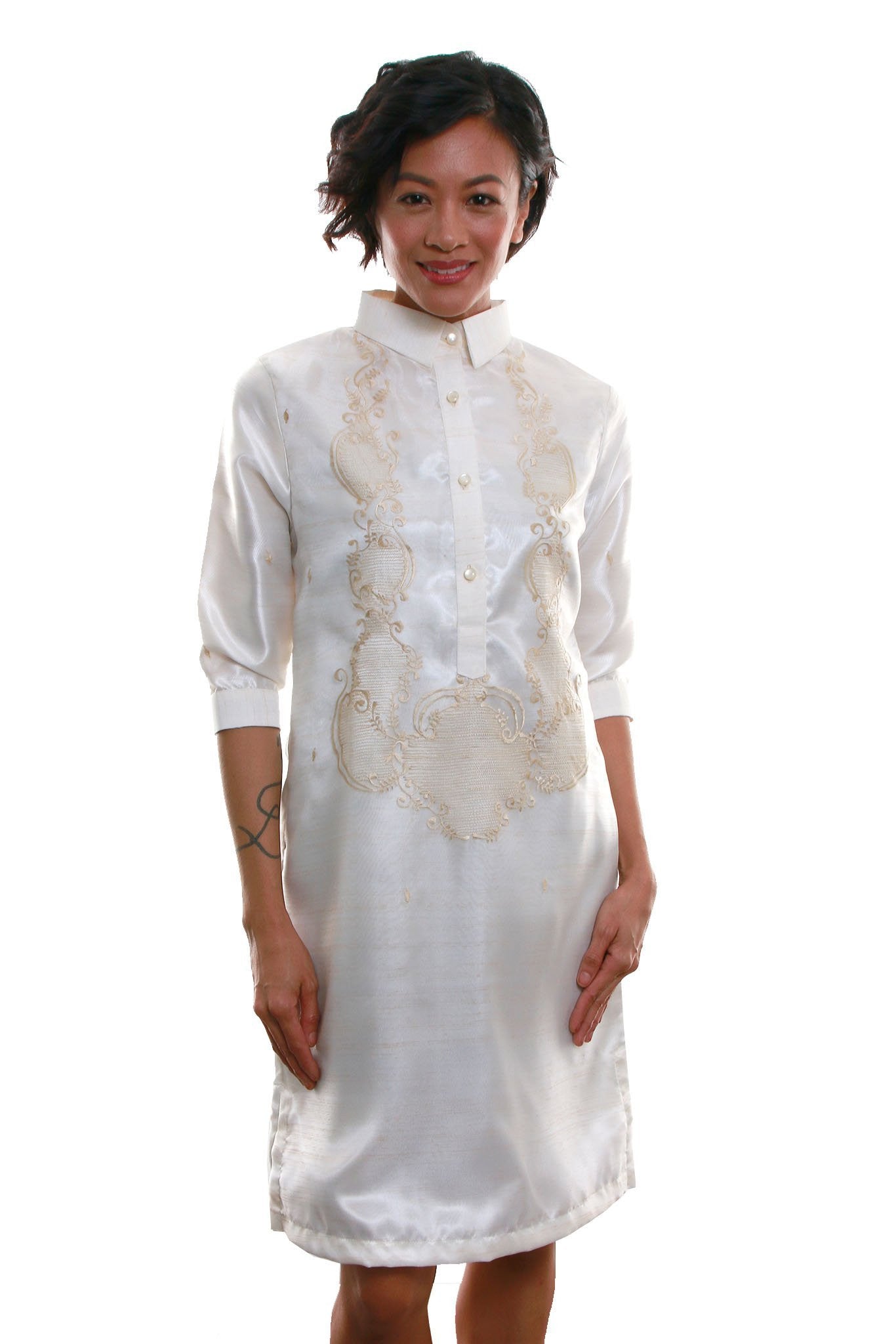
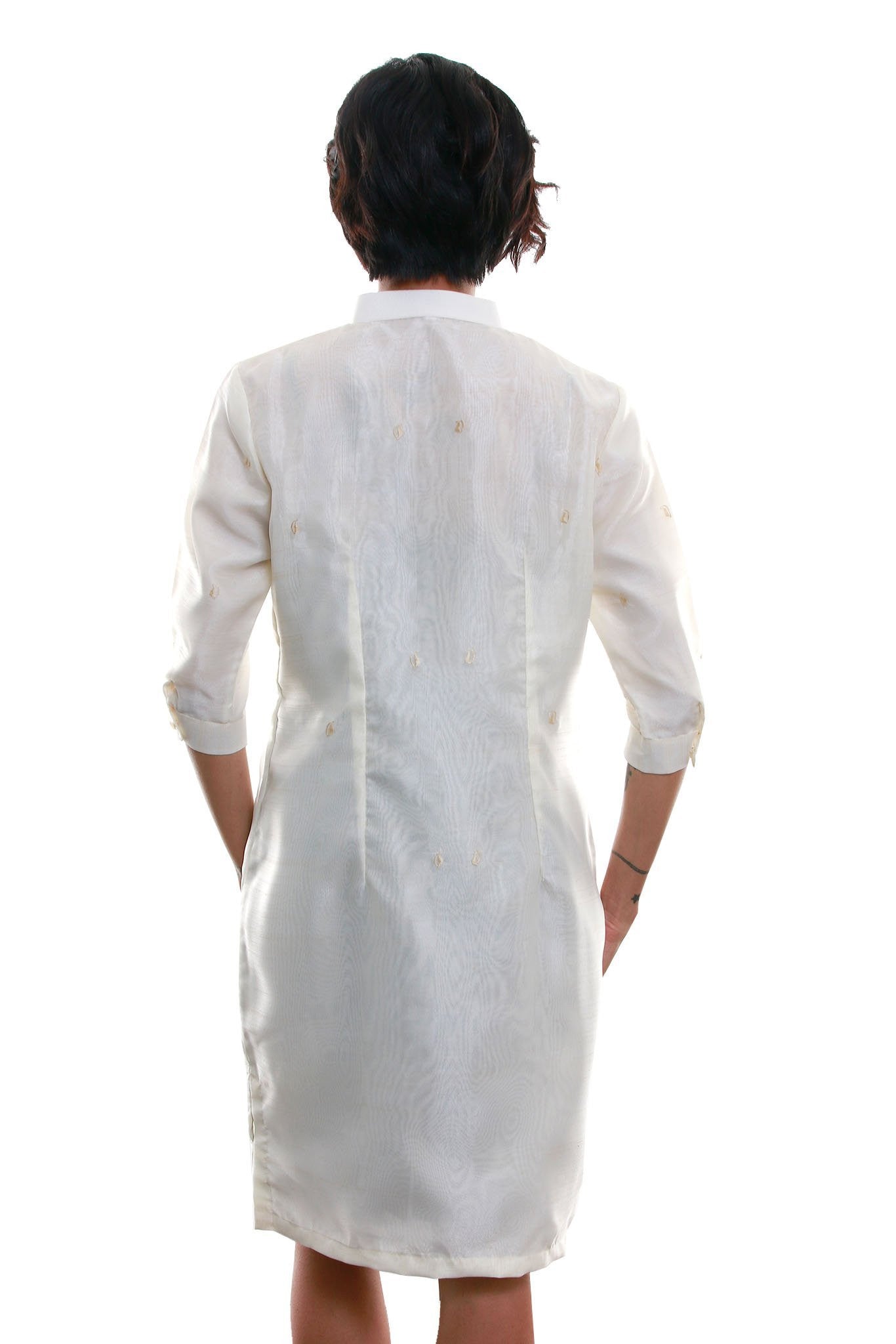
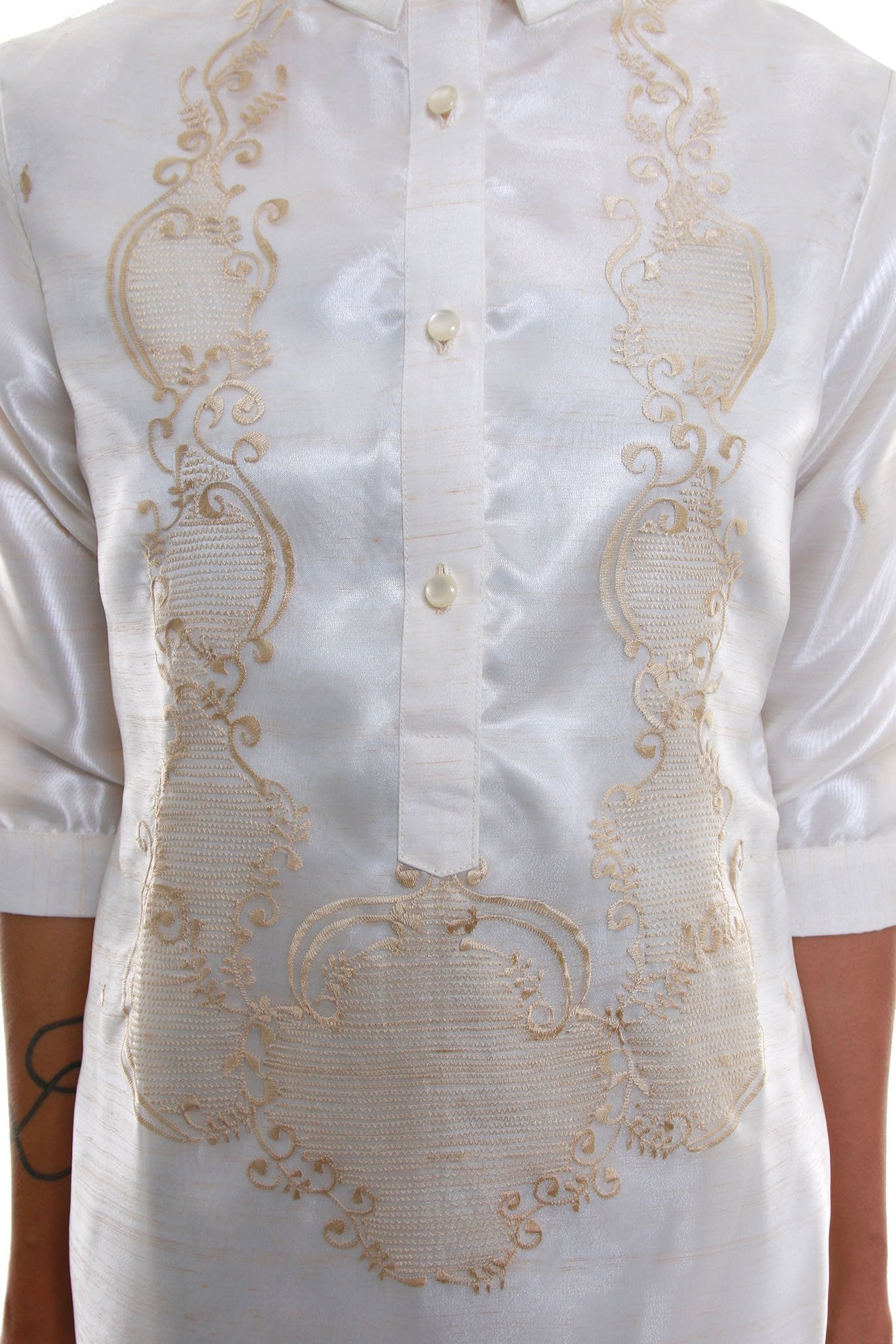
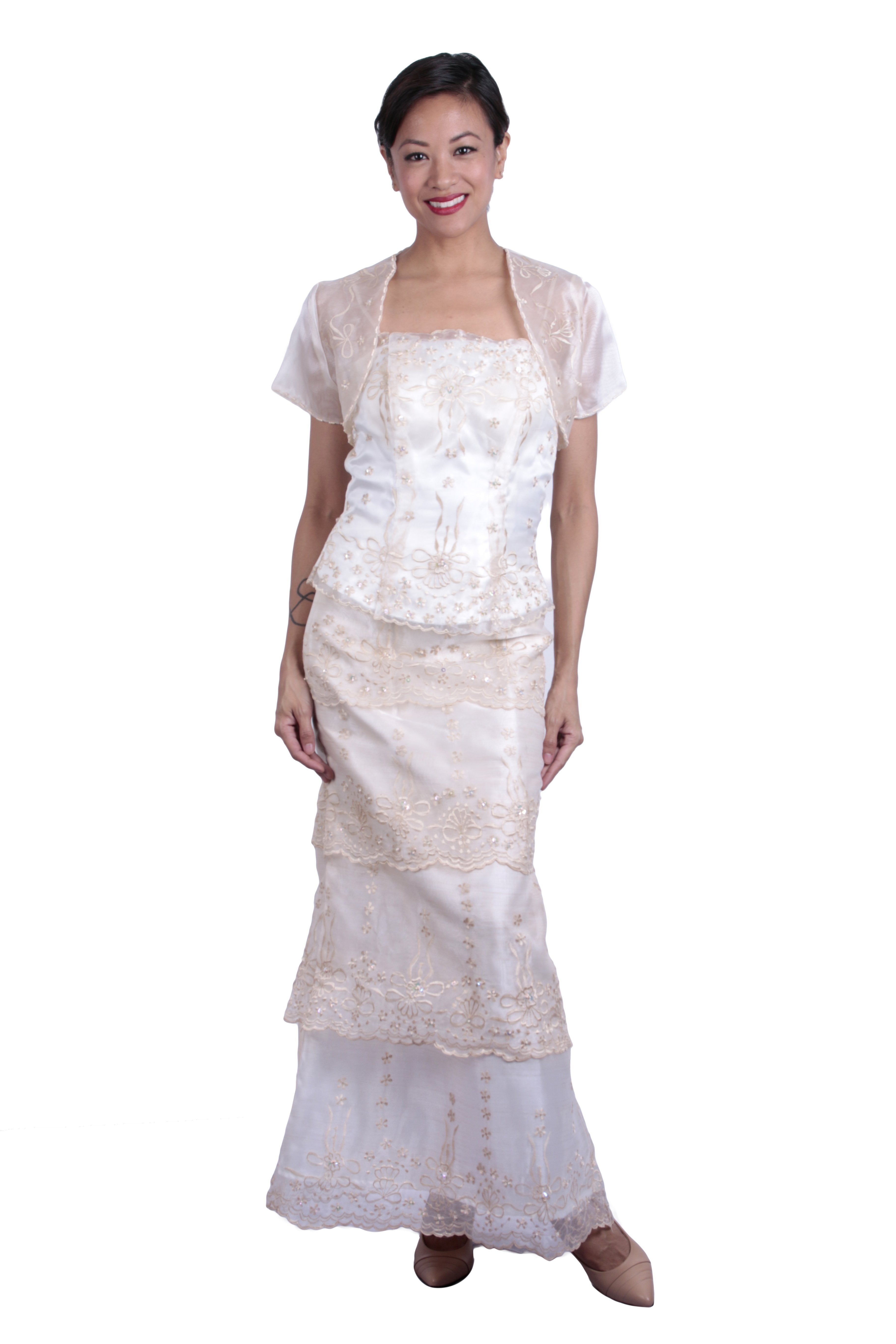
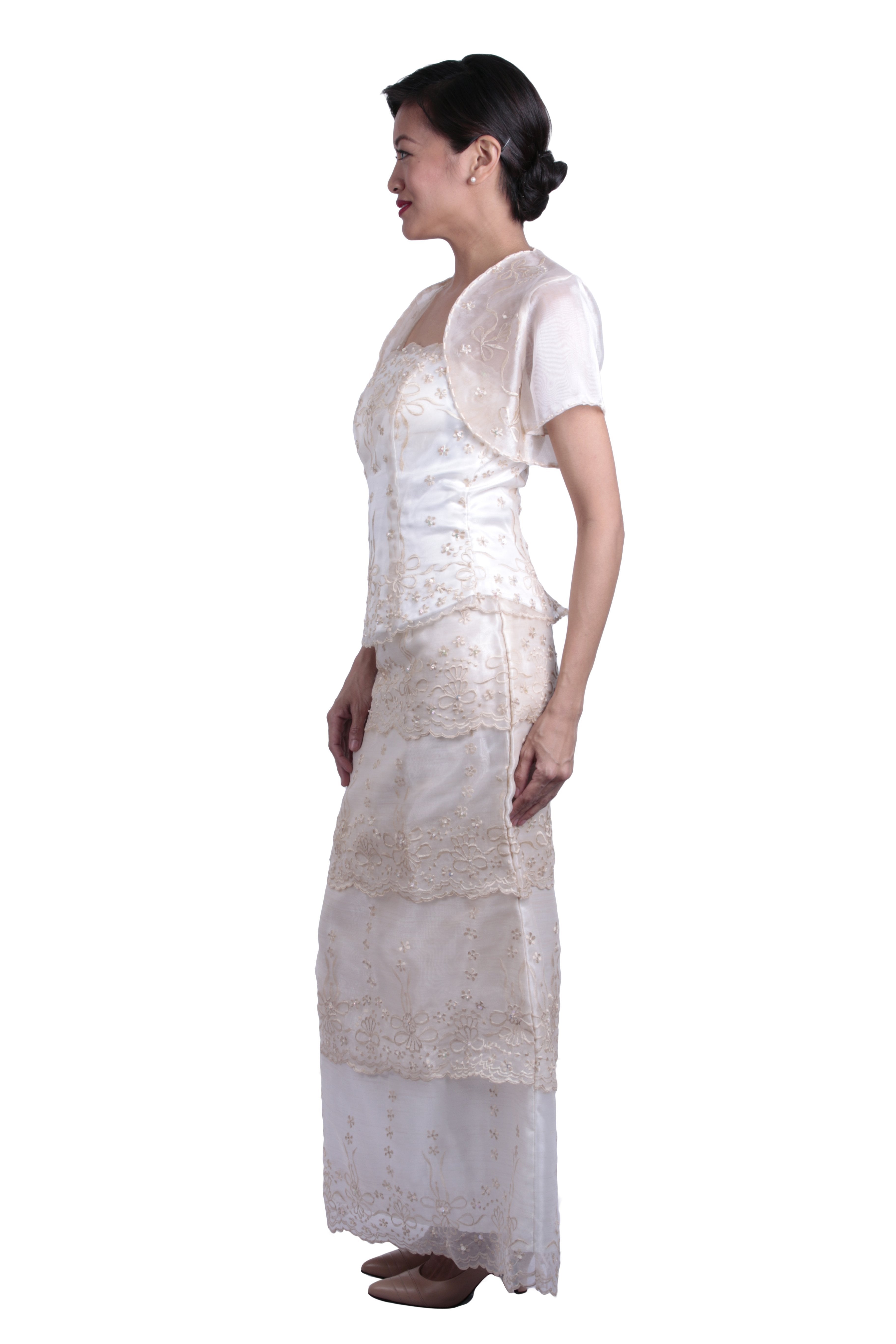
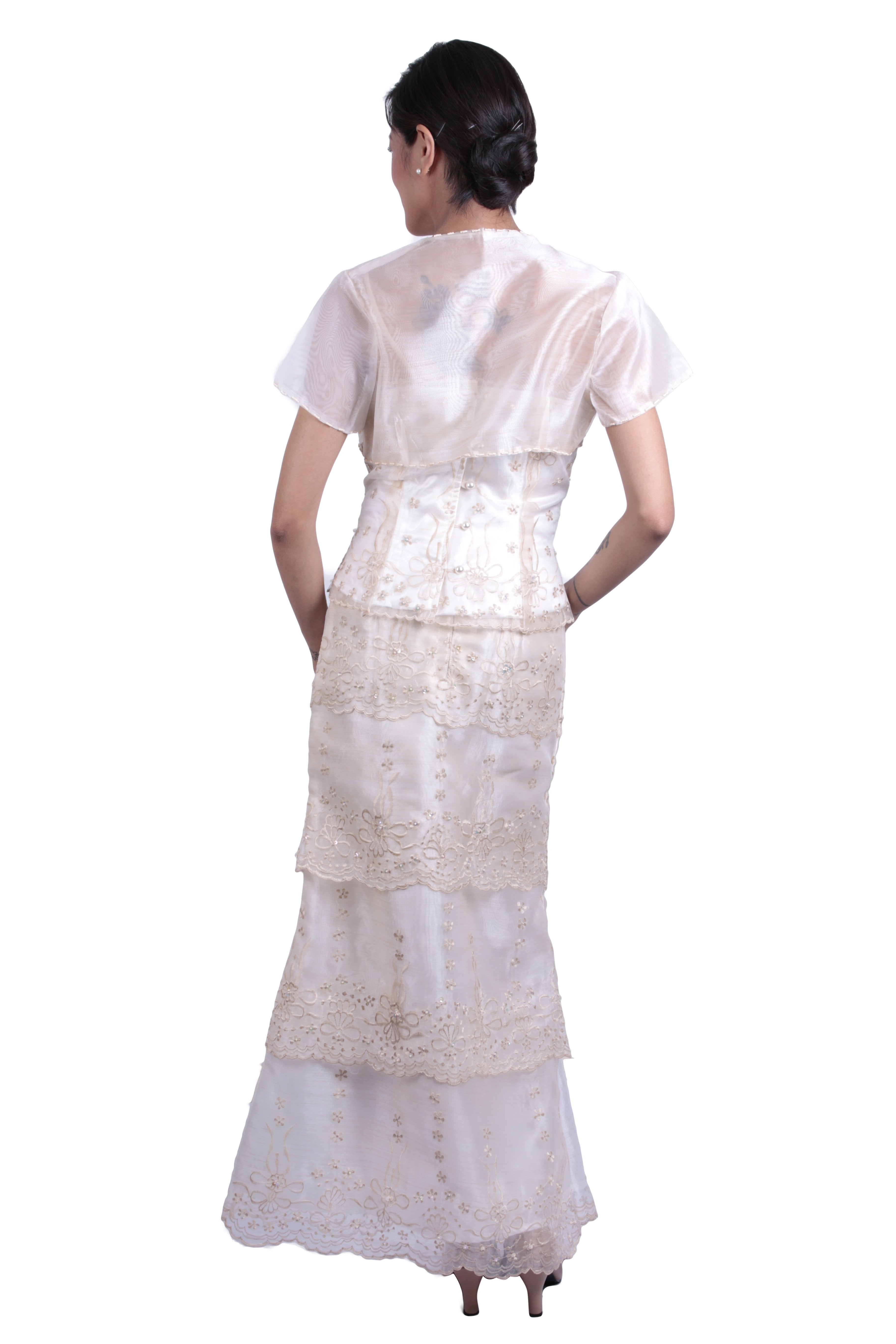
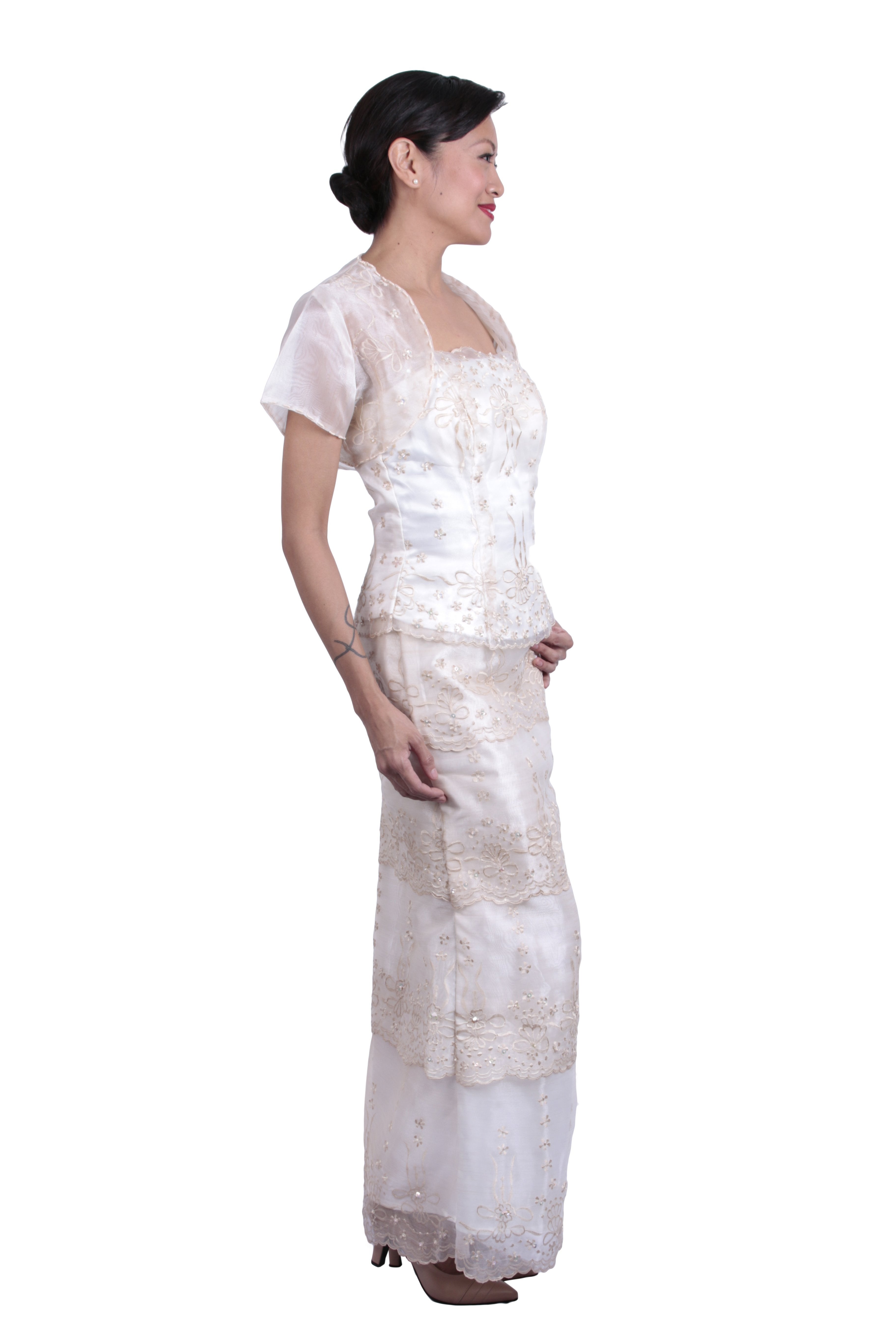
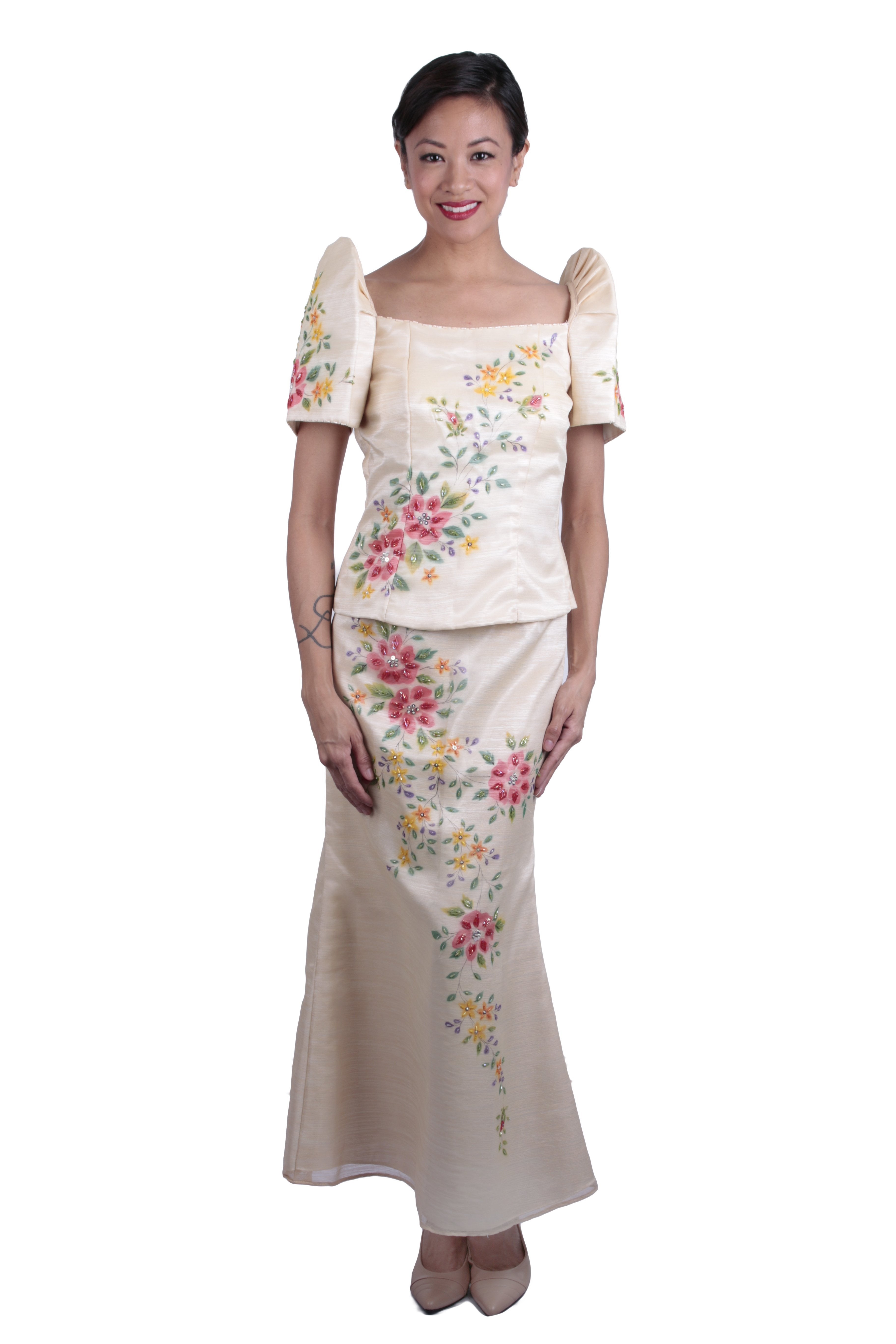
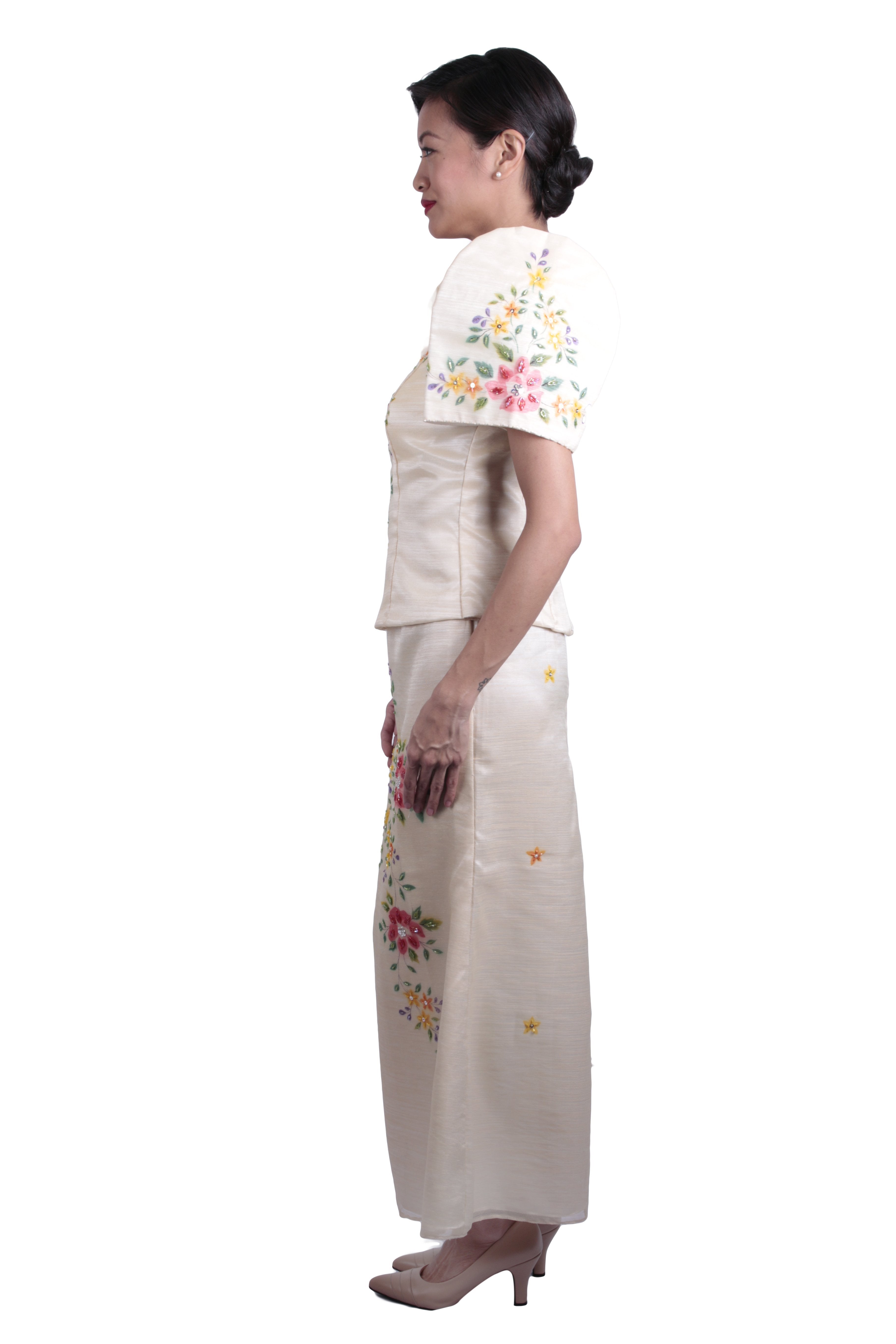
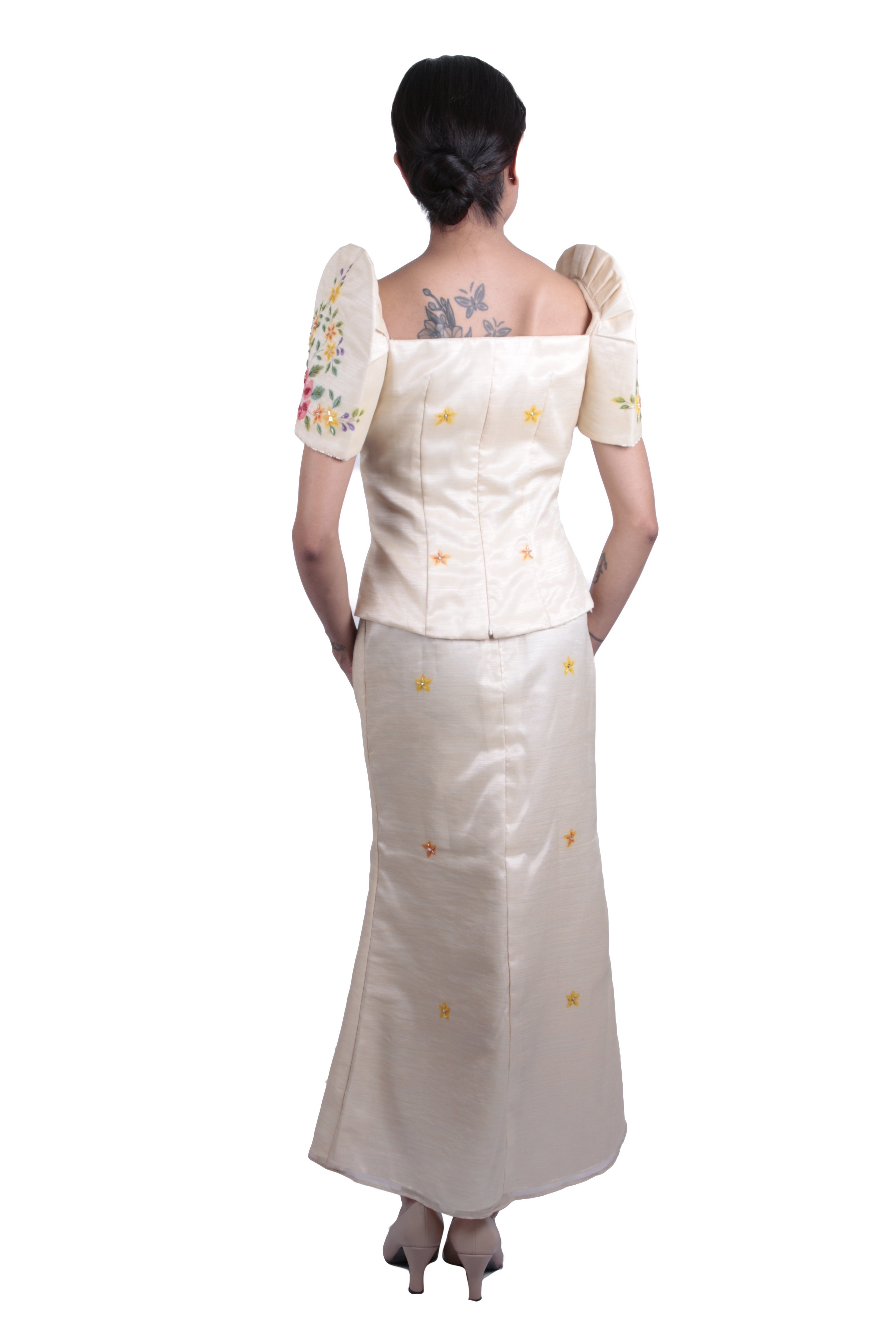
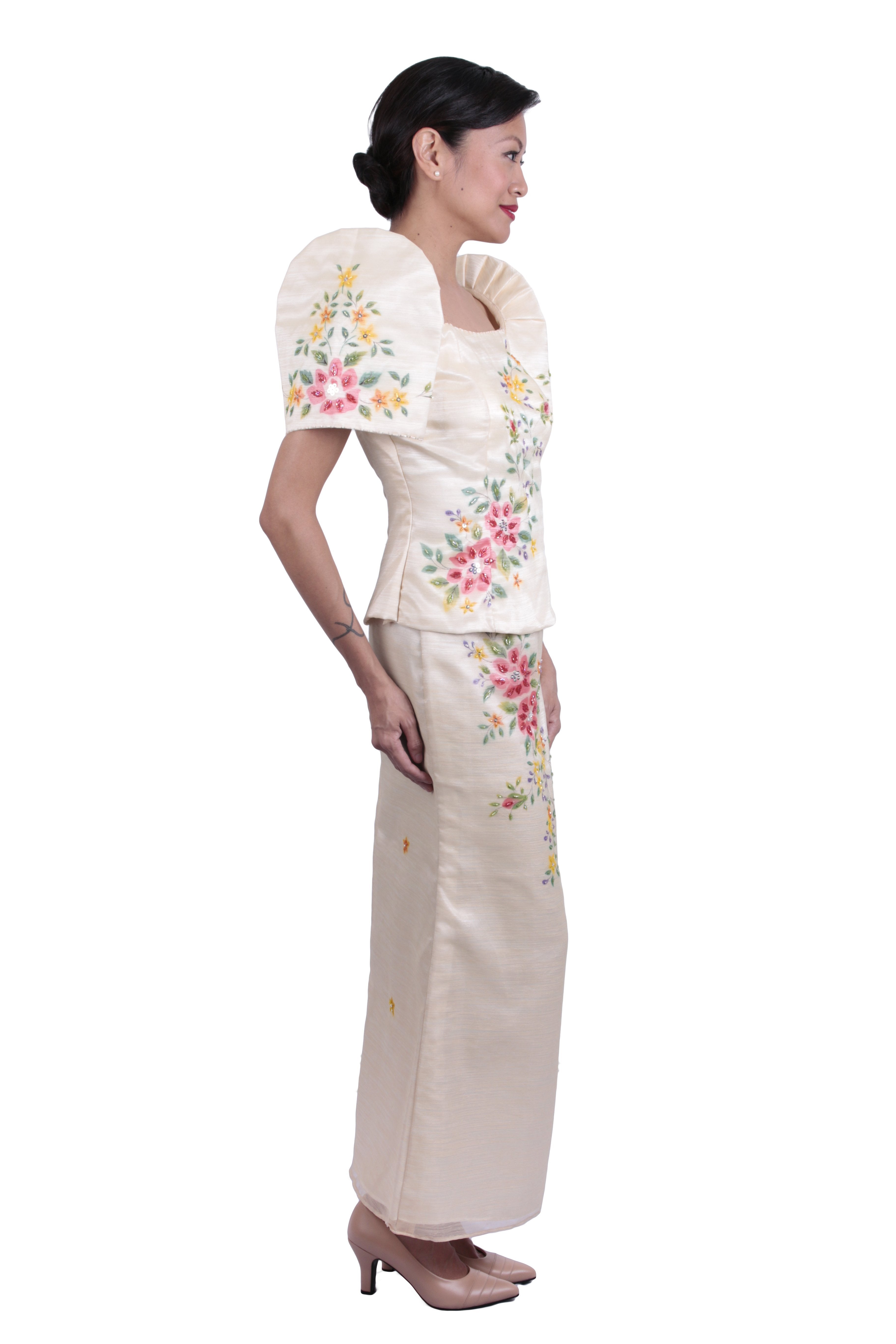
WS04 - Baro't Saya Mestiza Painting - Filipiniana
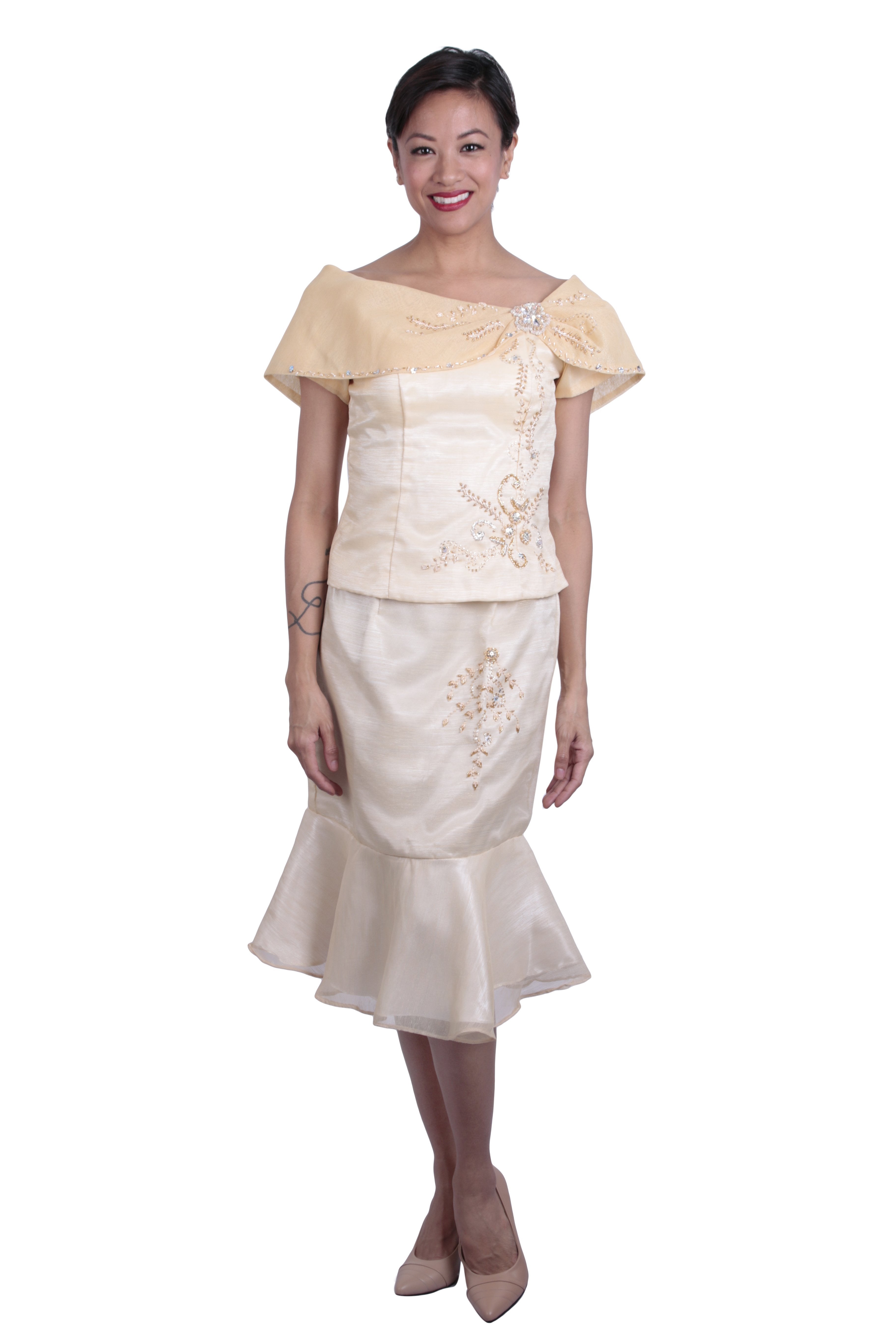
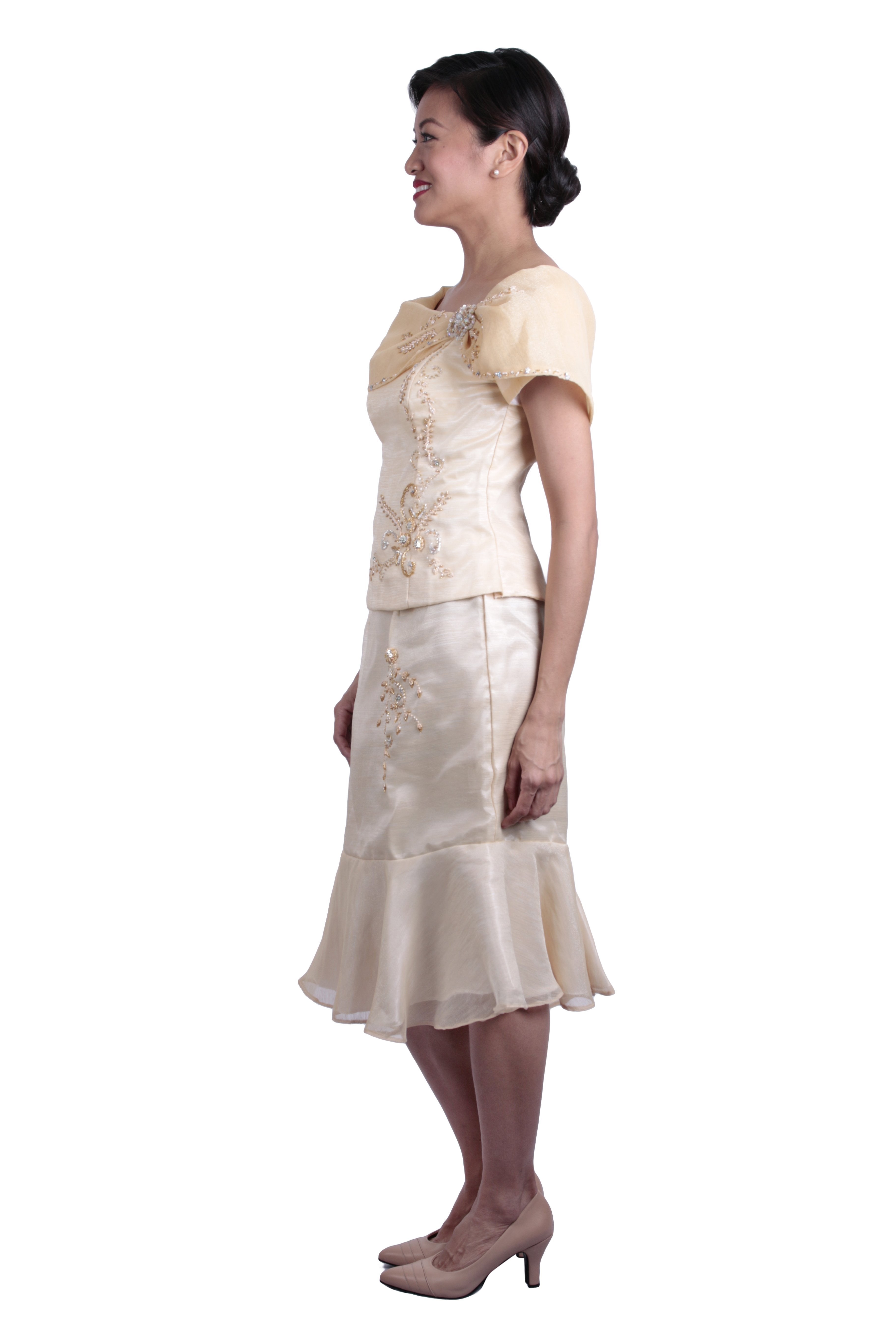
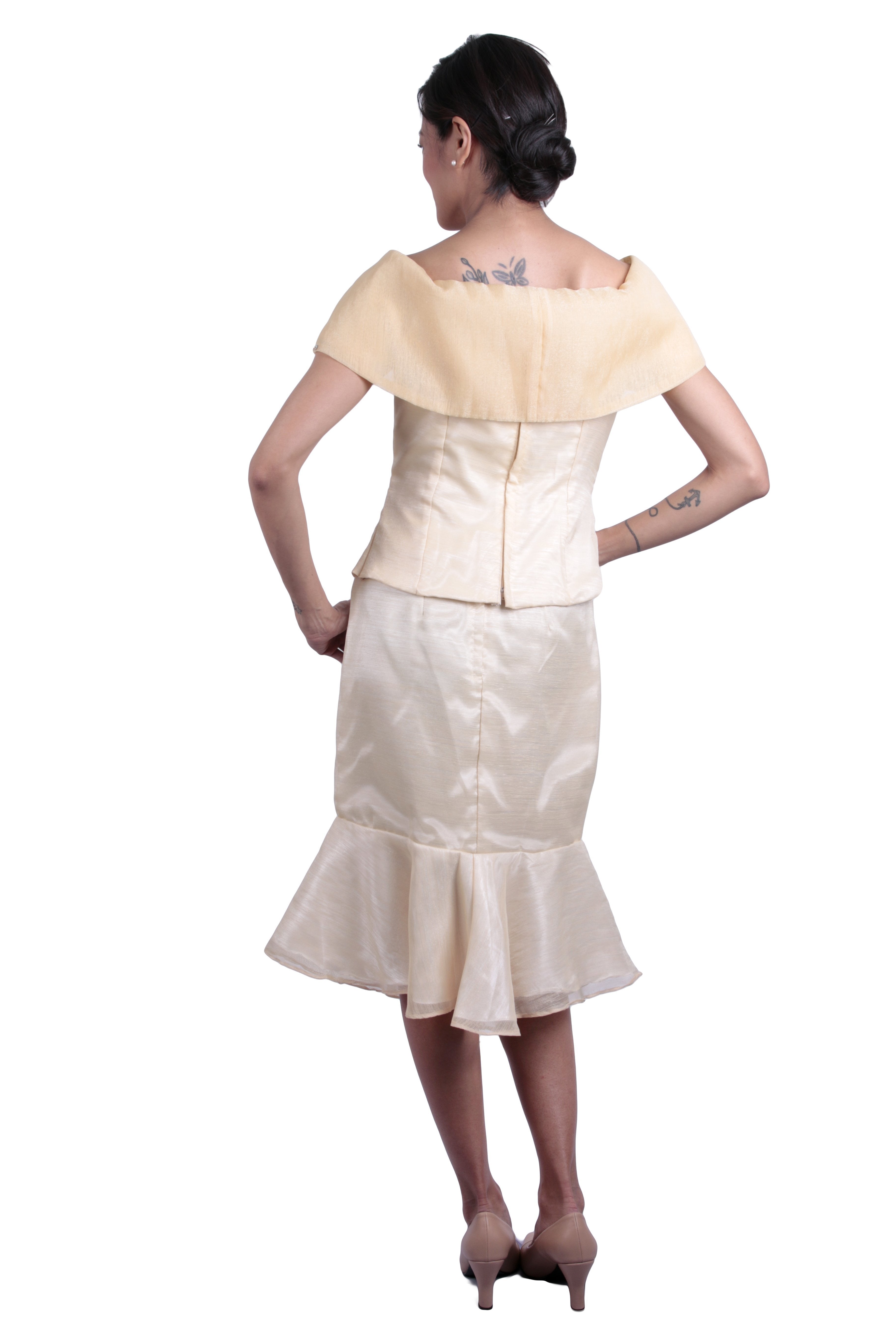
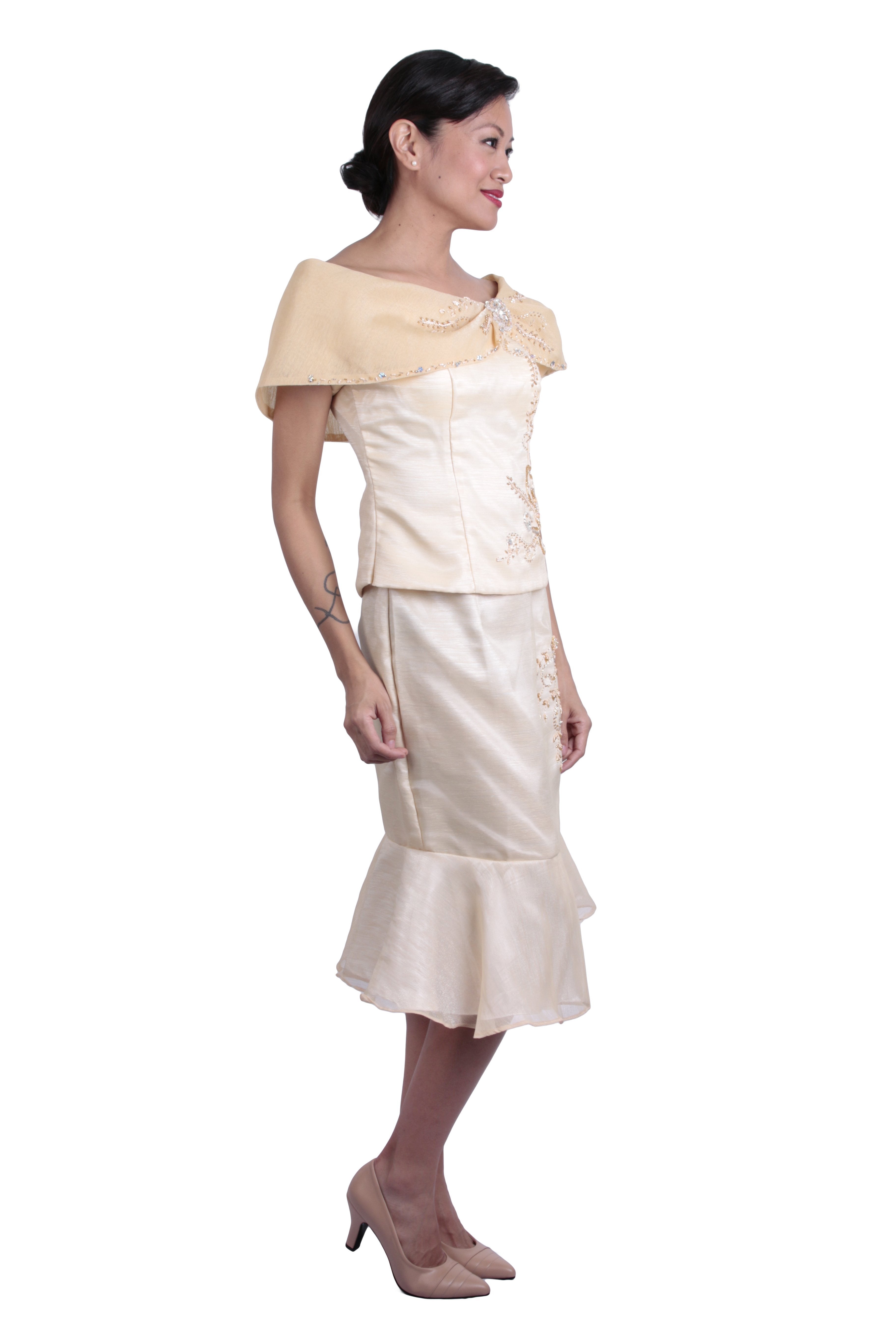
WS03 - Baro't Saya Carla Midi - Filipiniana
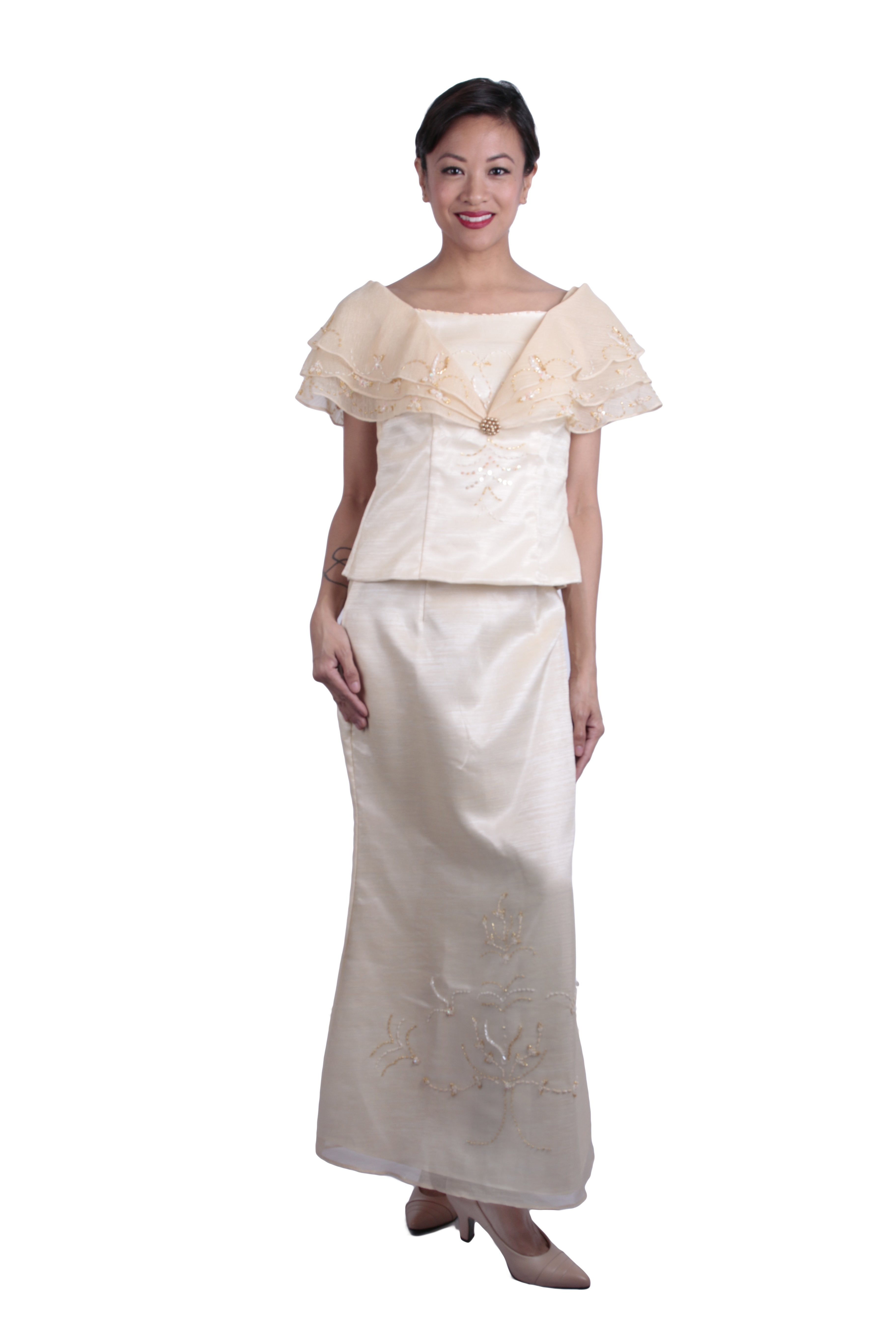
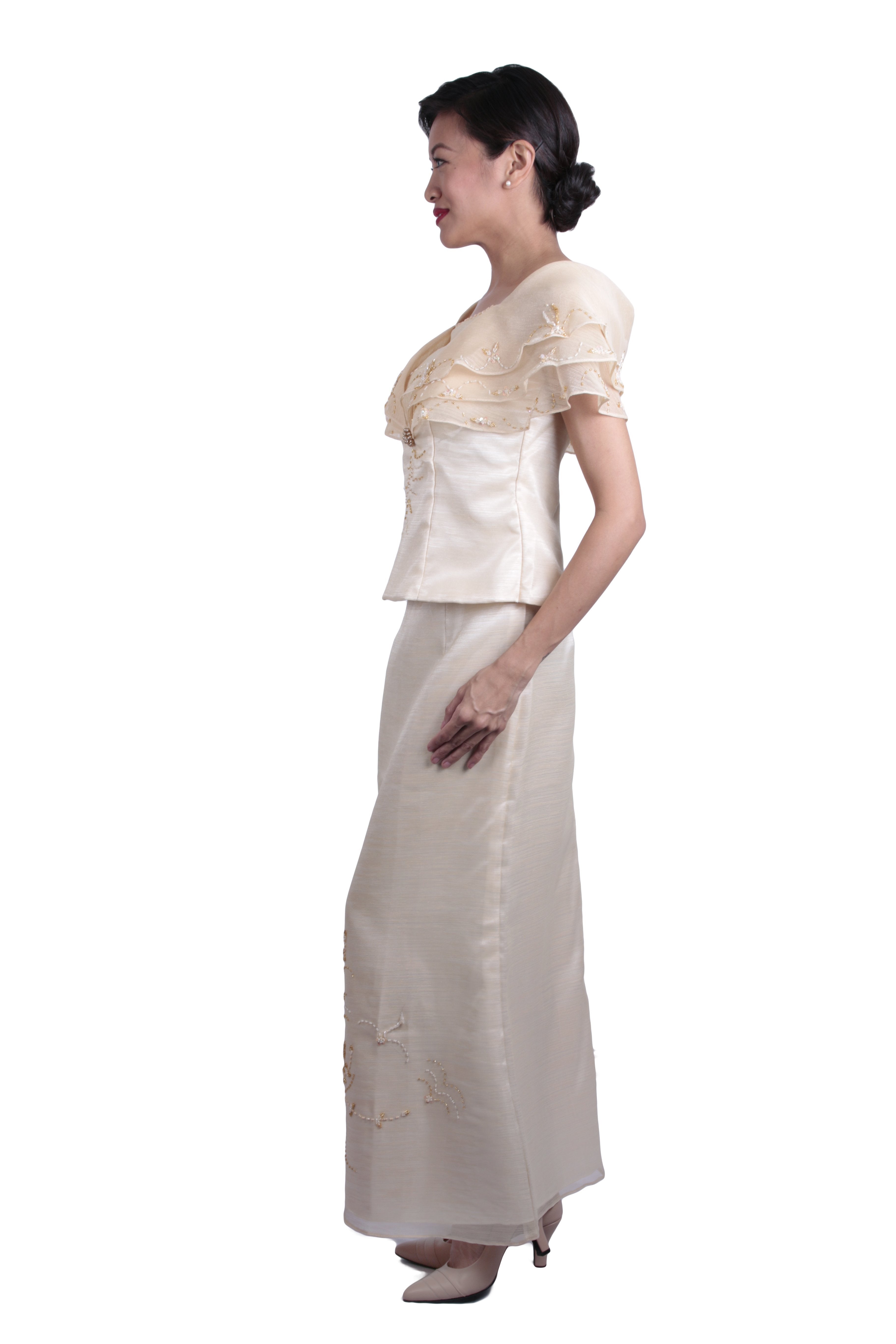


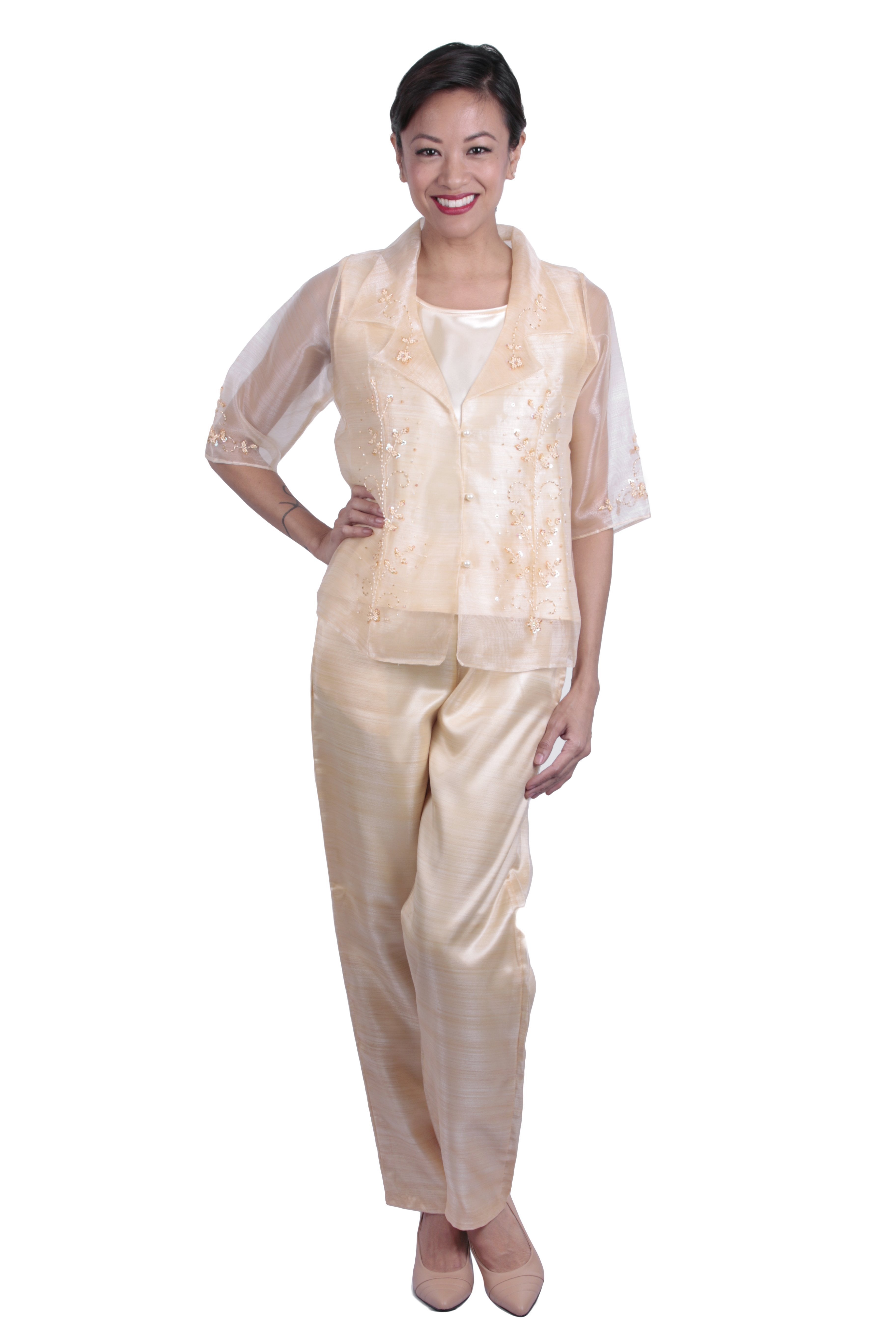
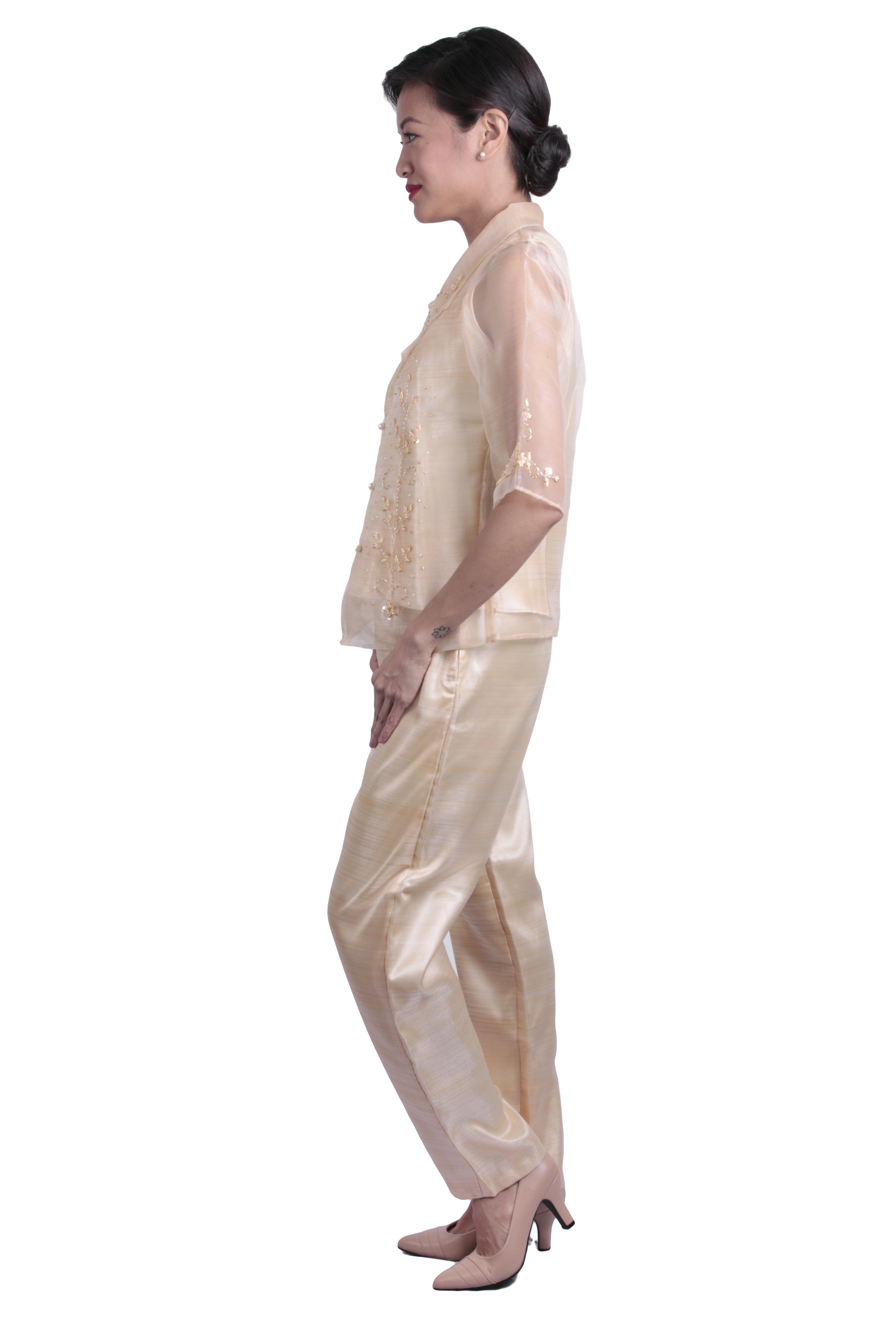
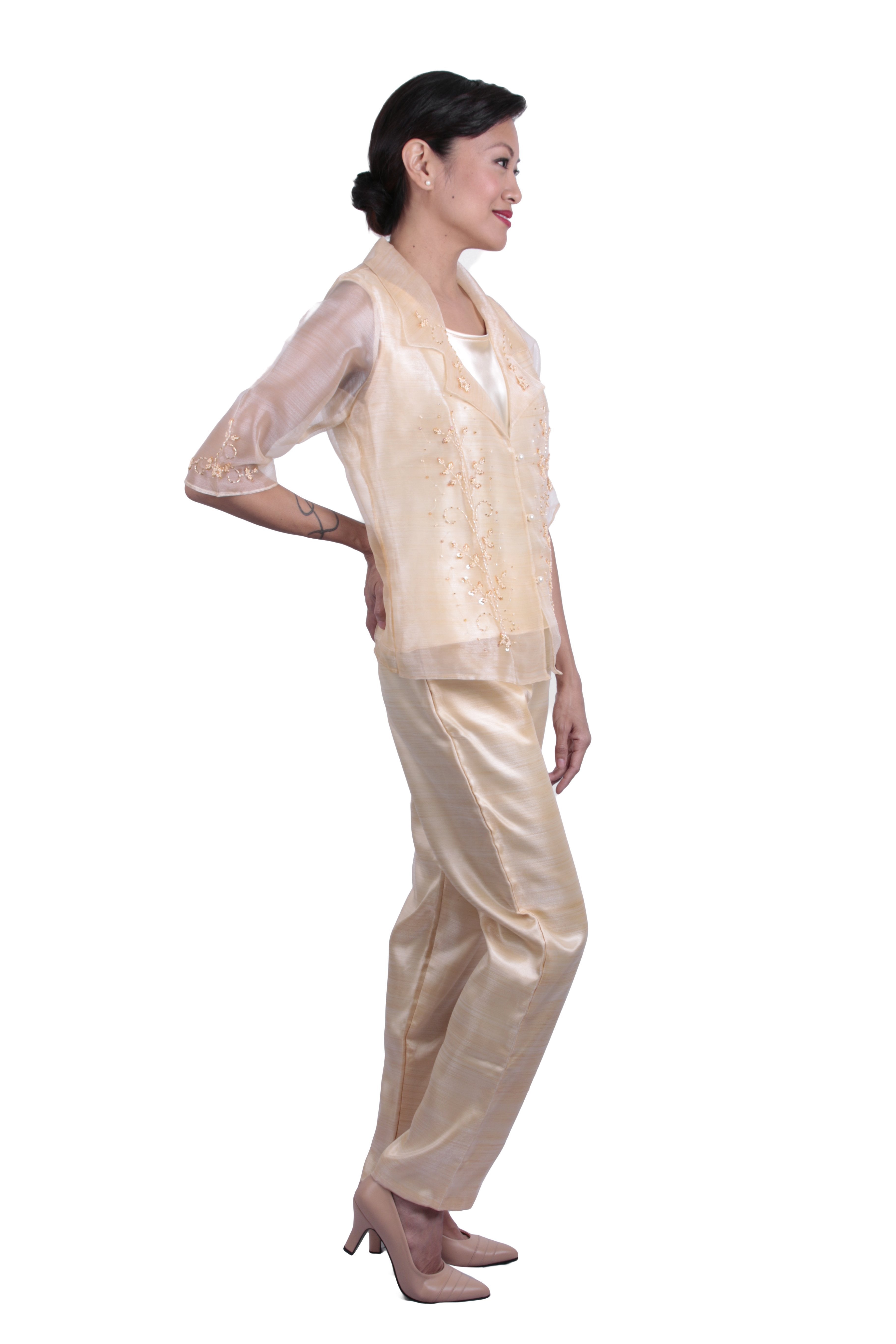
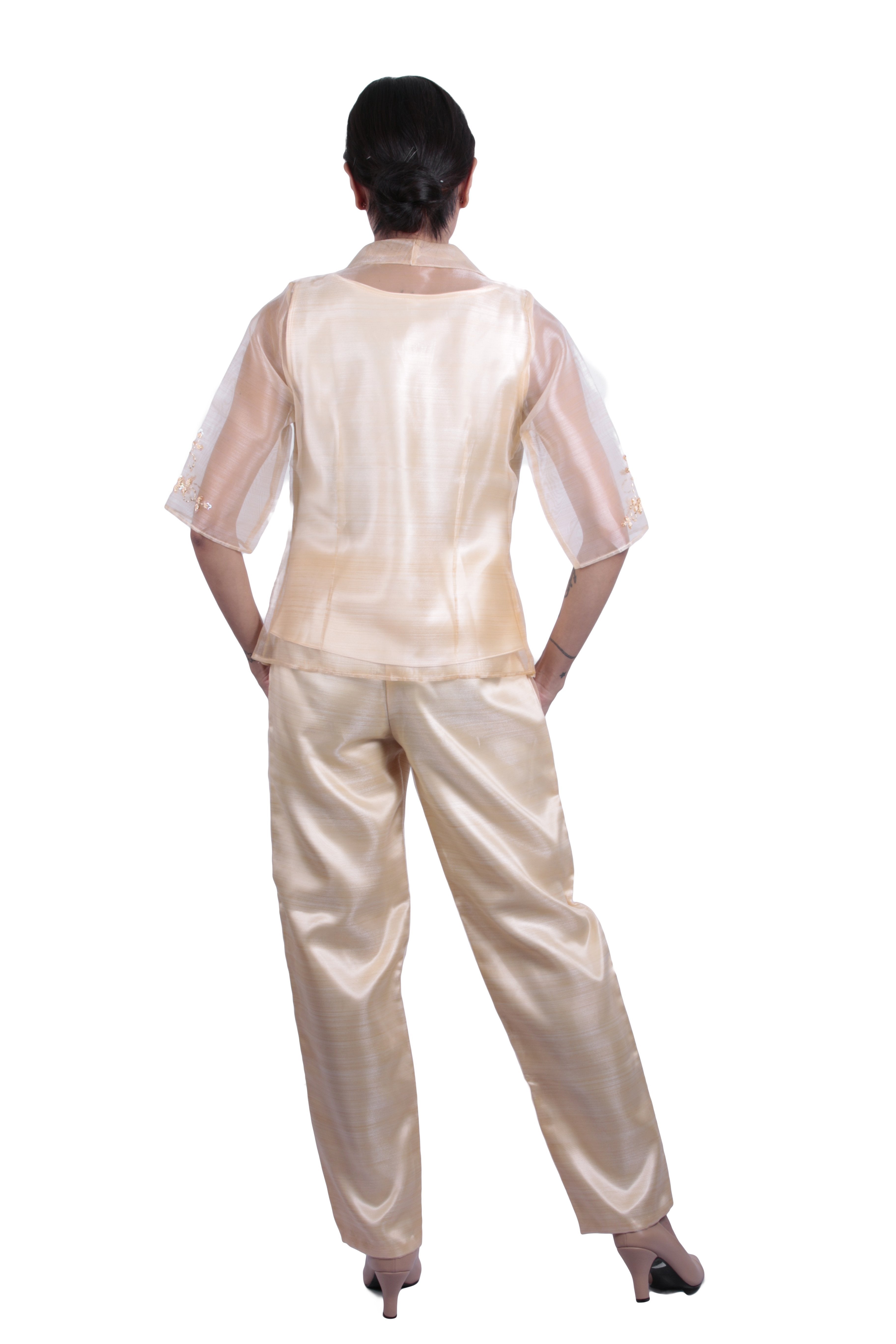
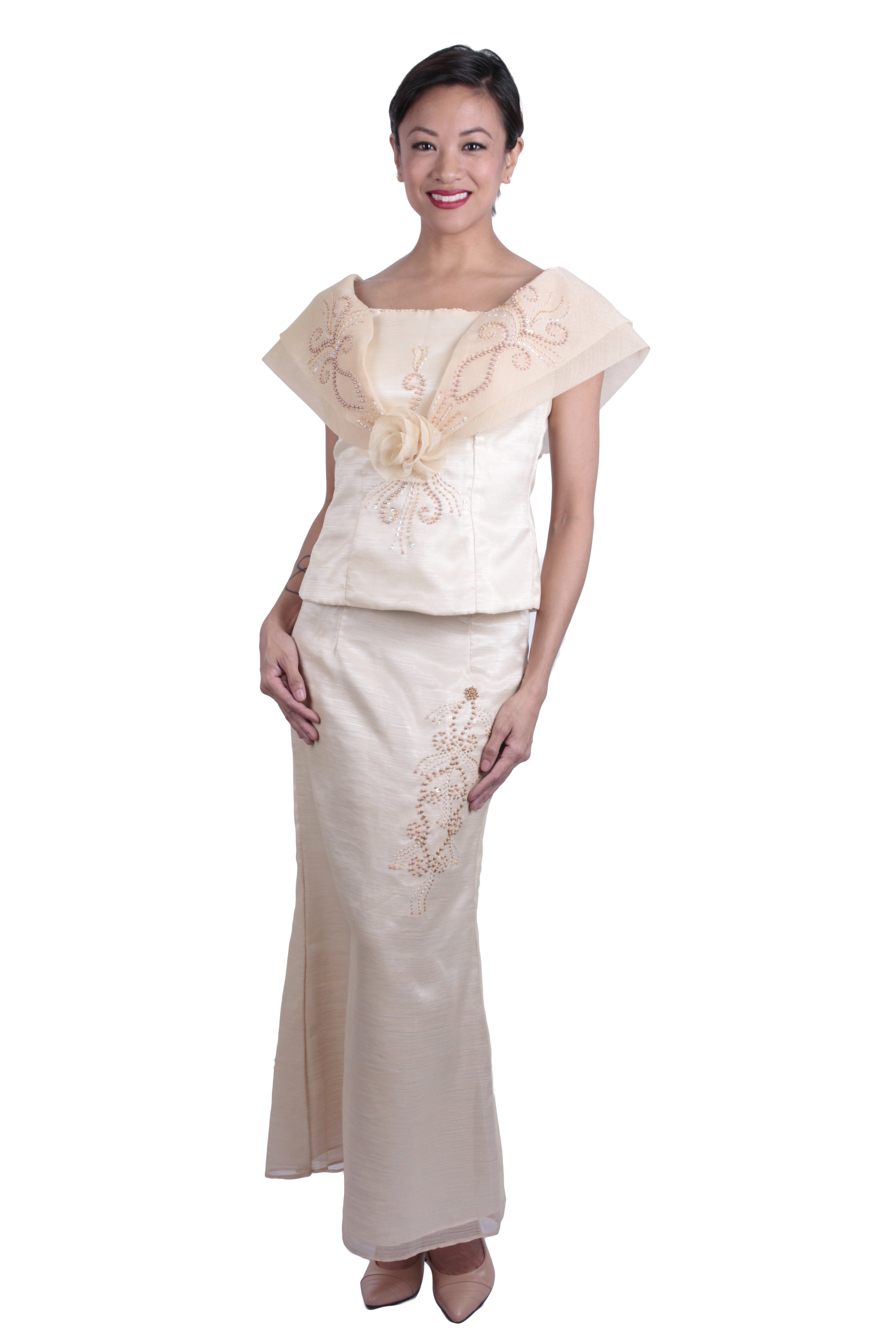
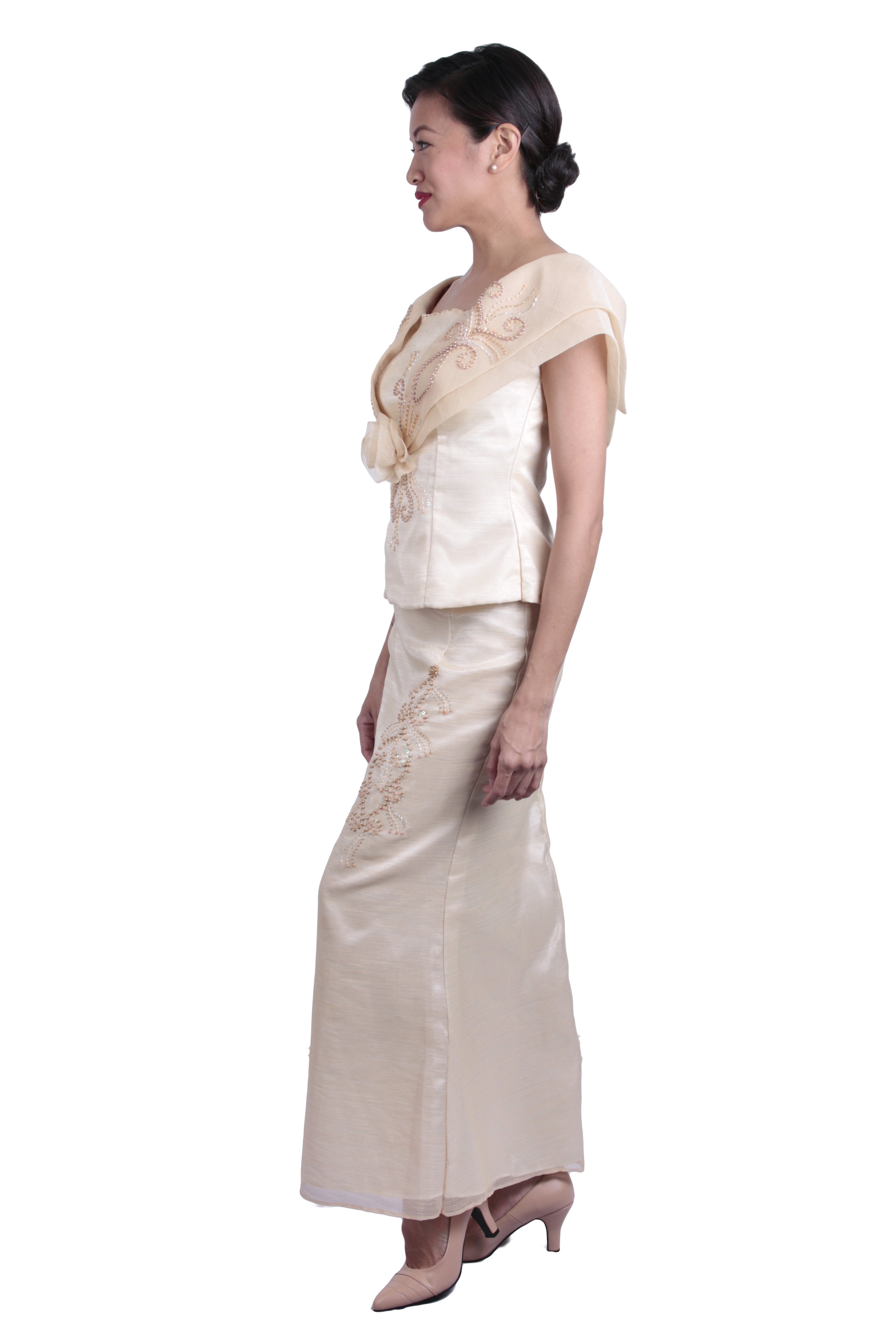
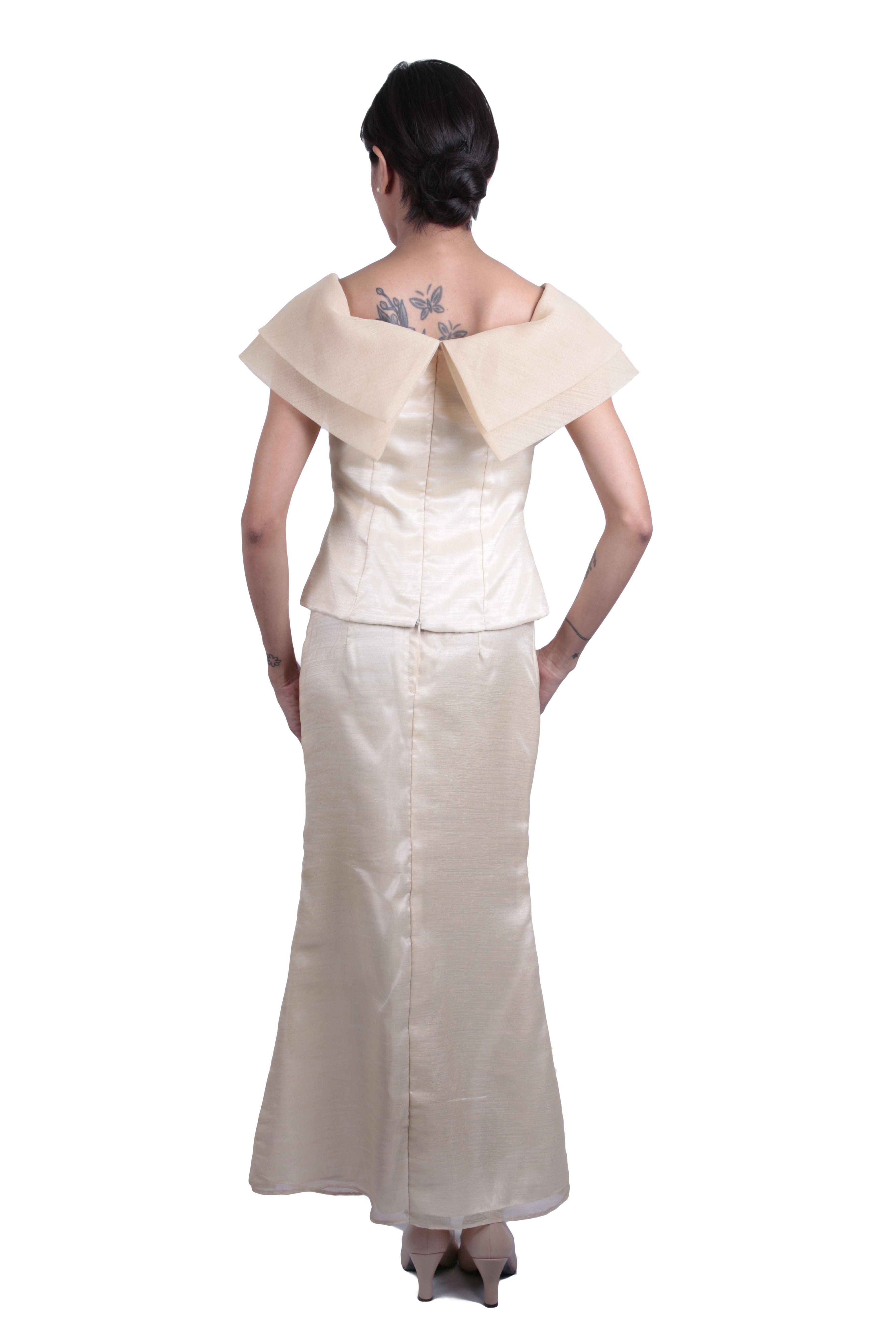
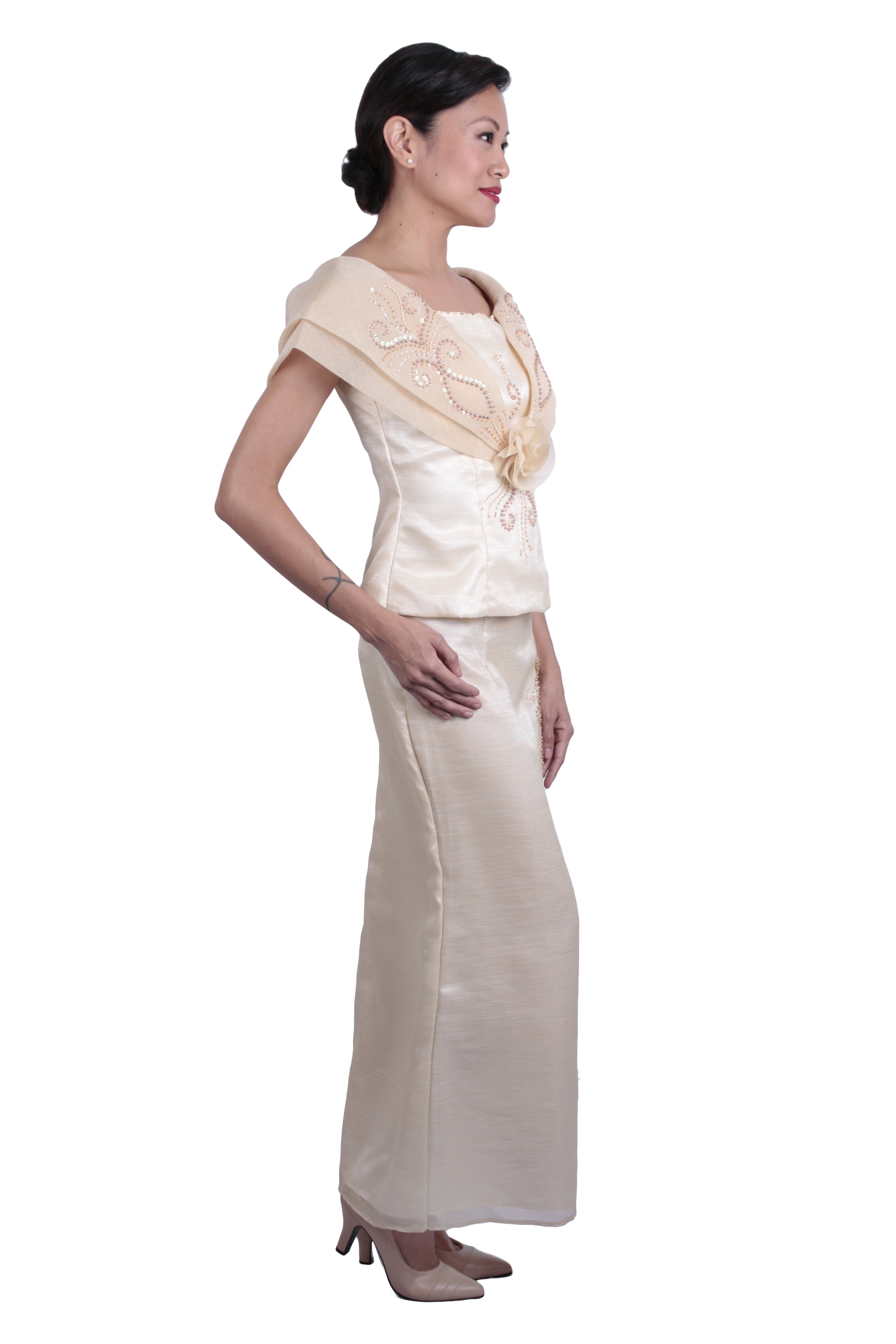
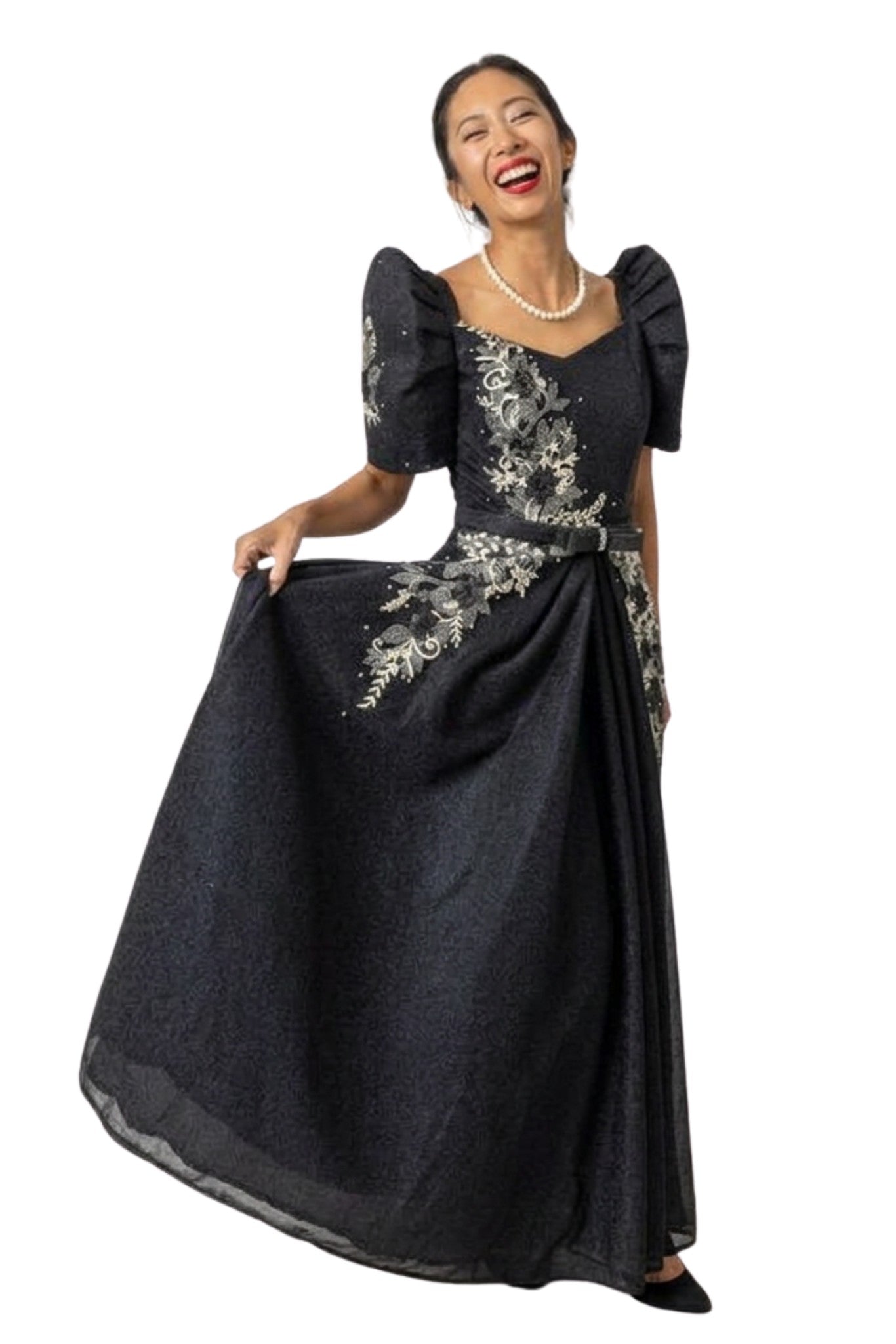
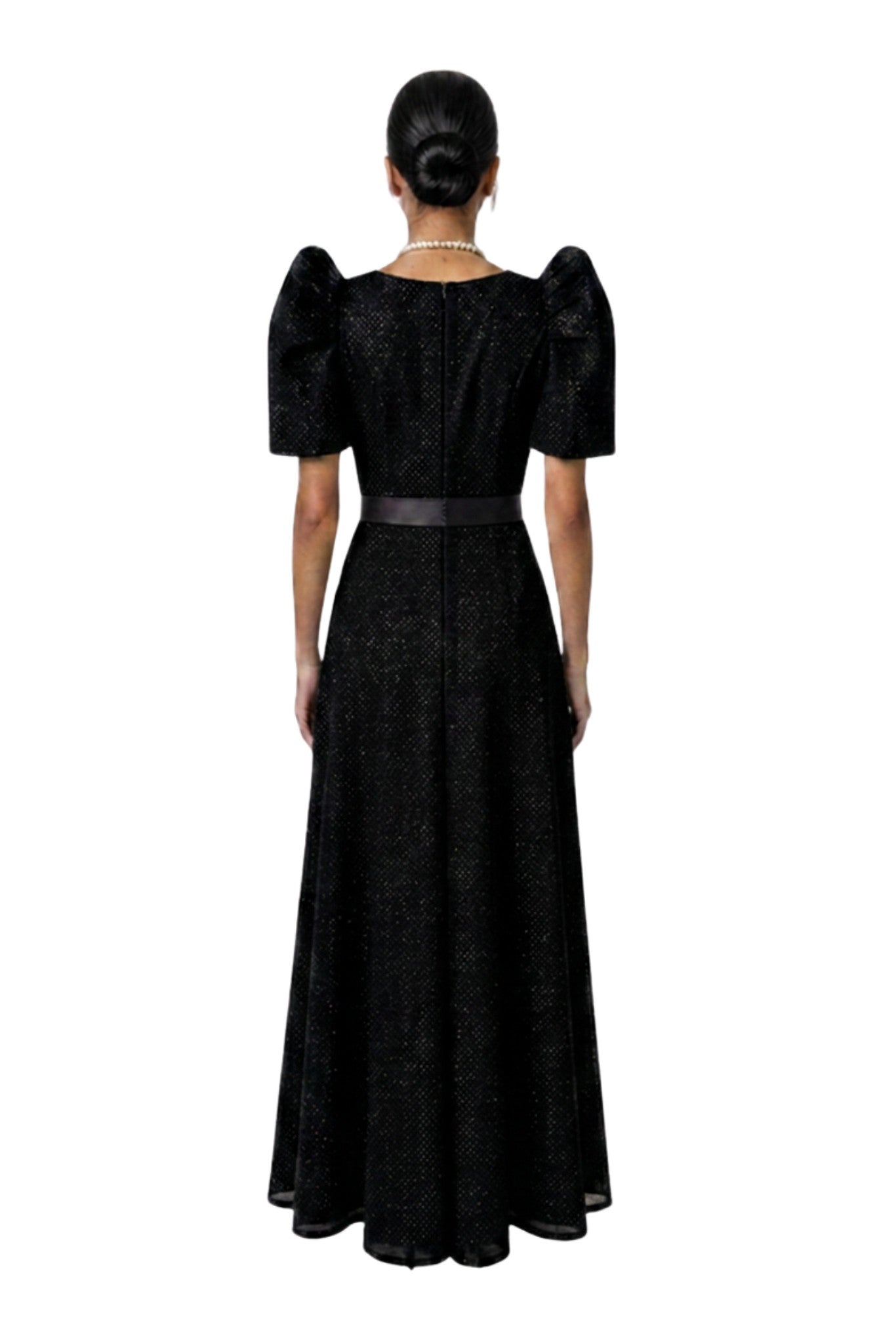
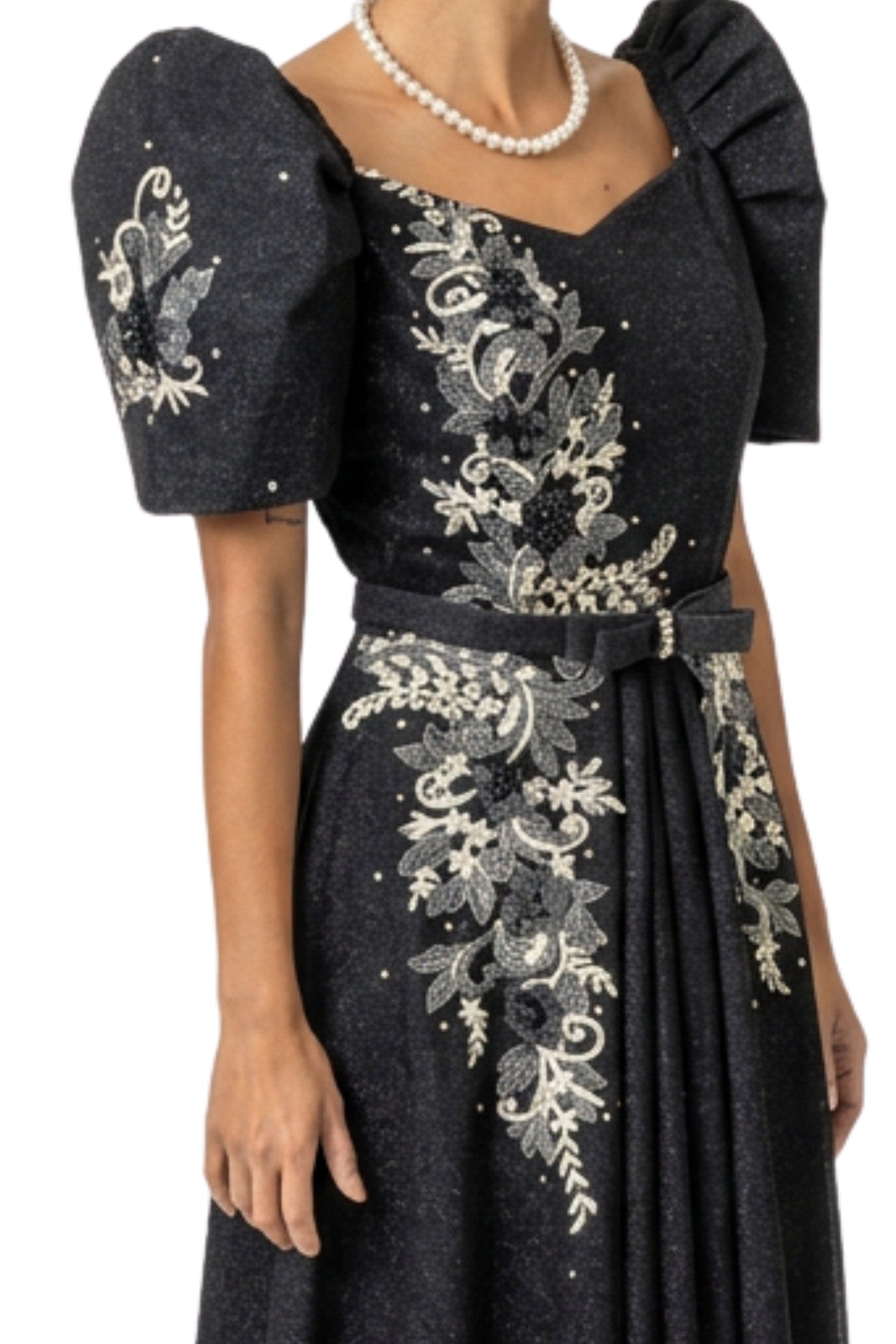
WS05 - Baro't Saya Long Gown - Filipiniana
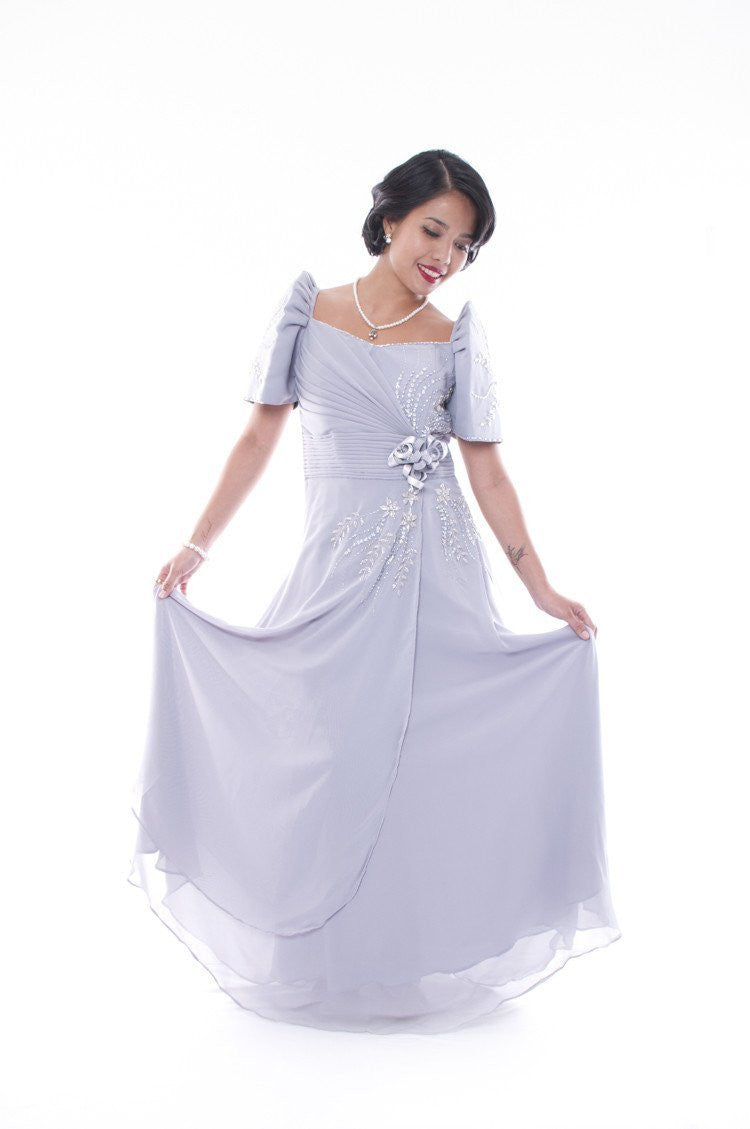
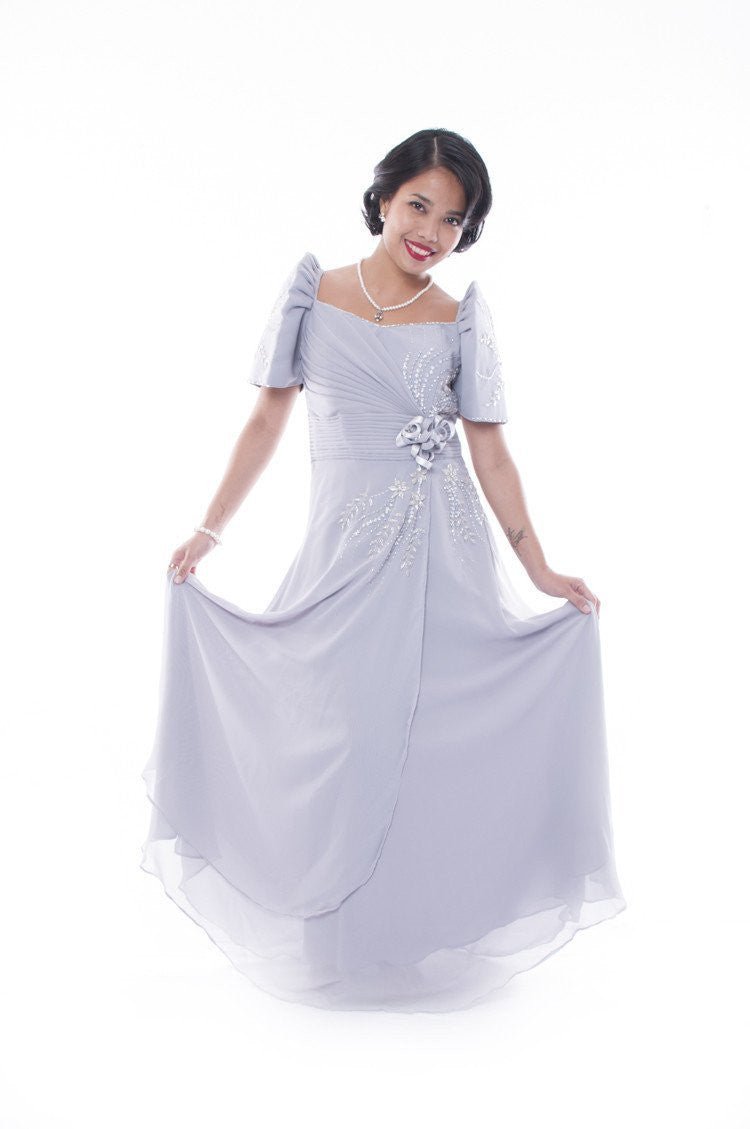
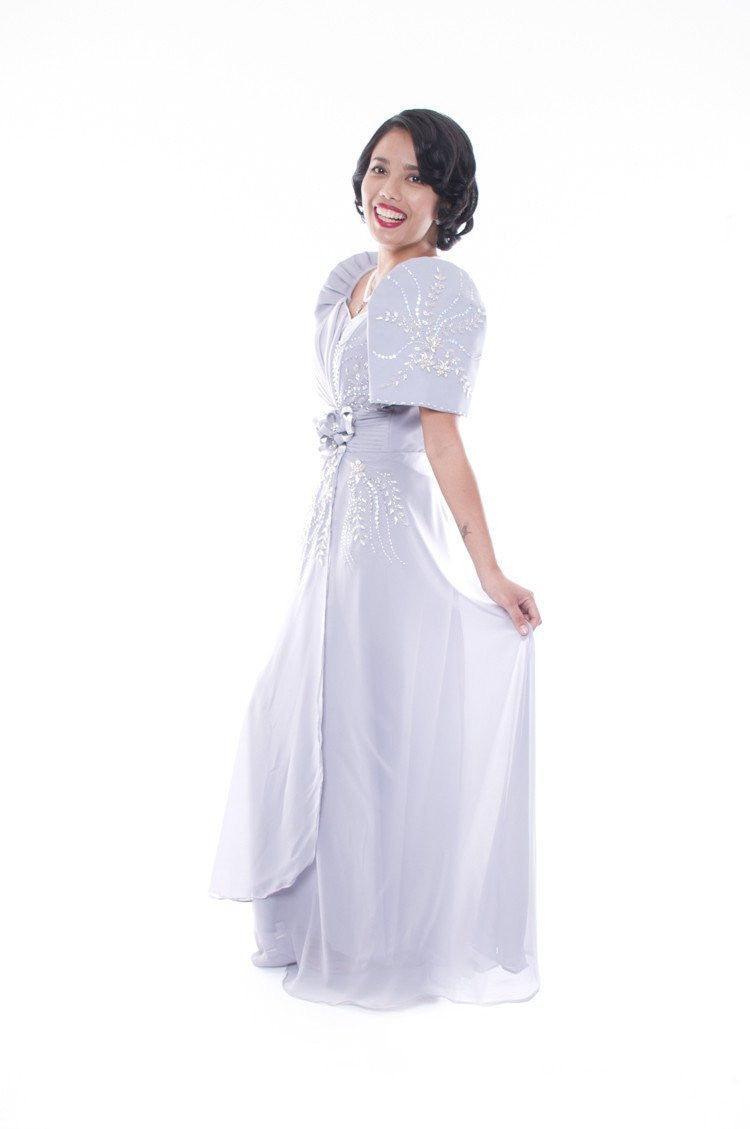
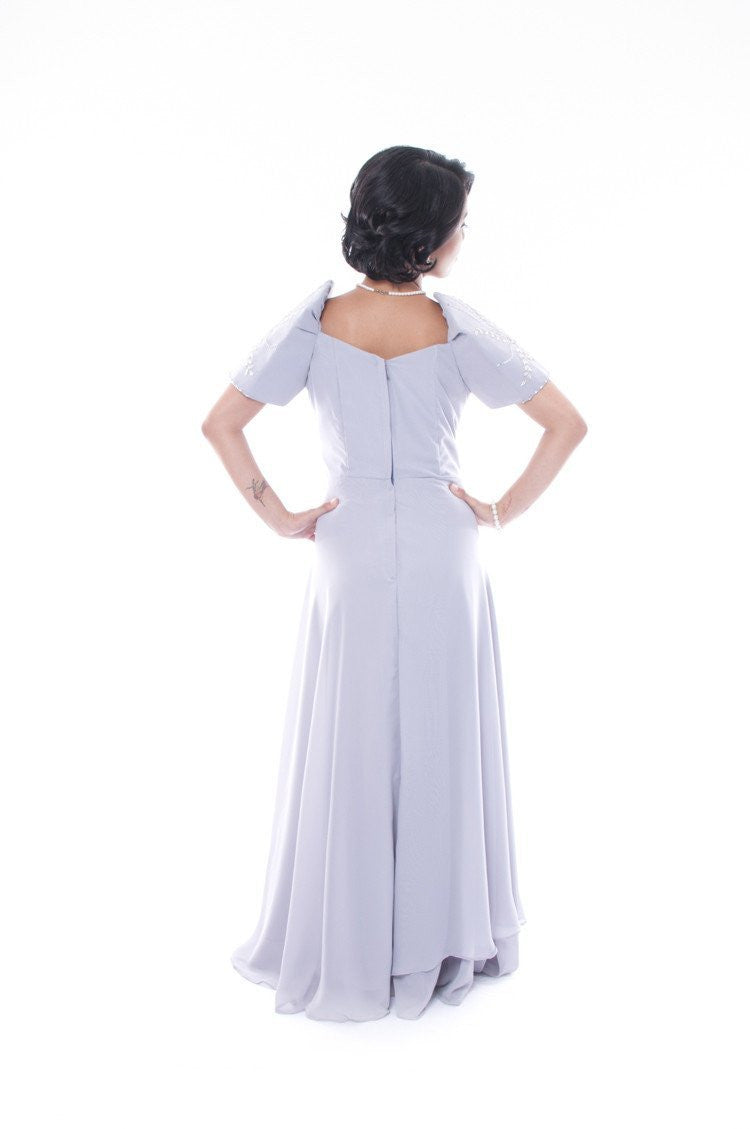
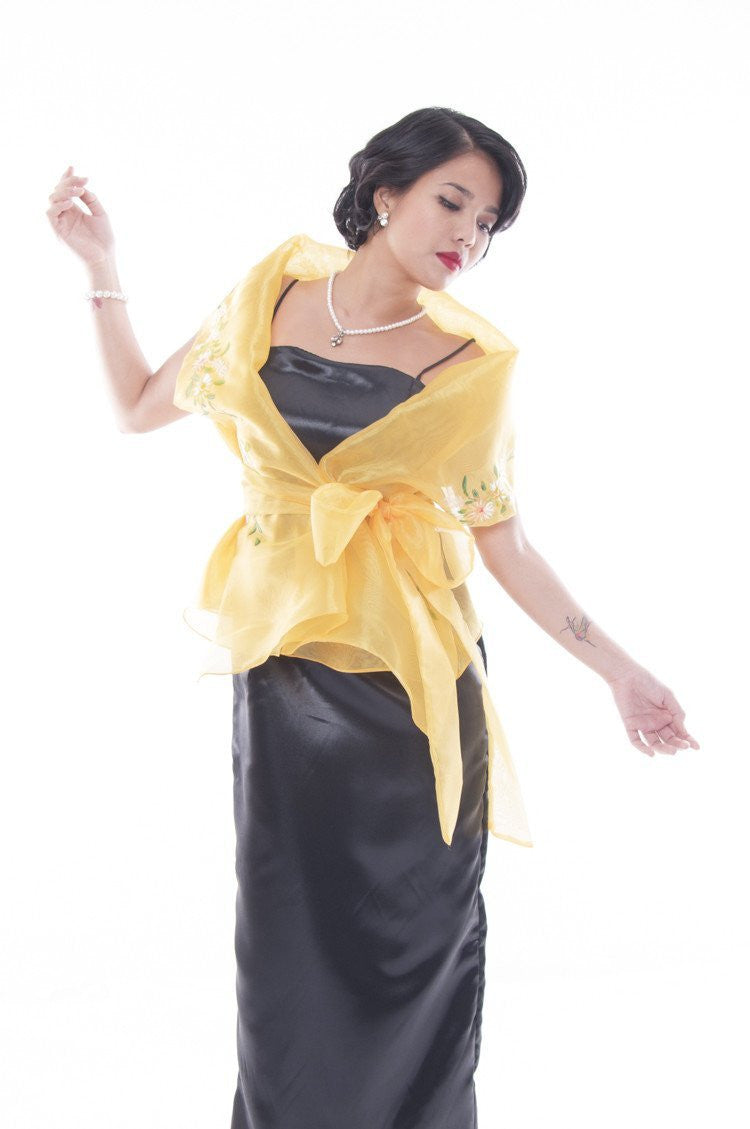
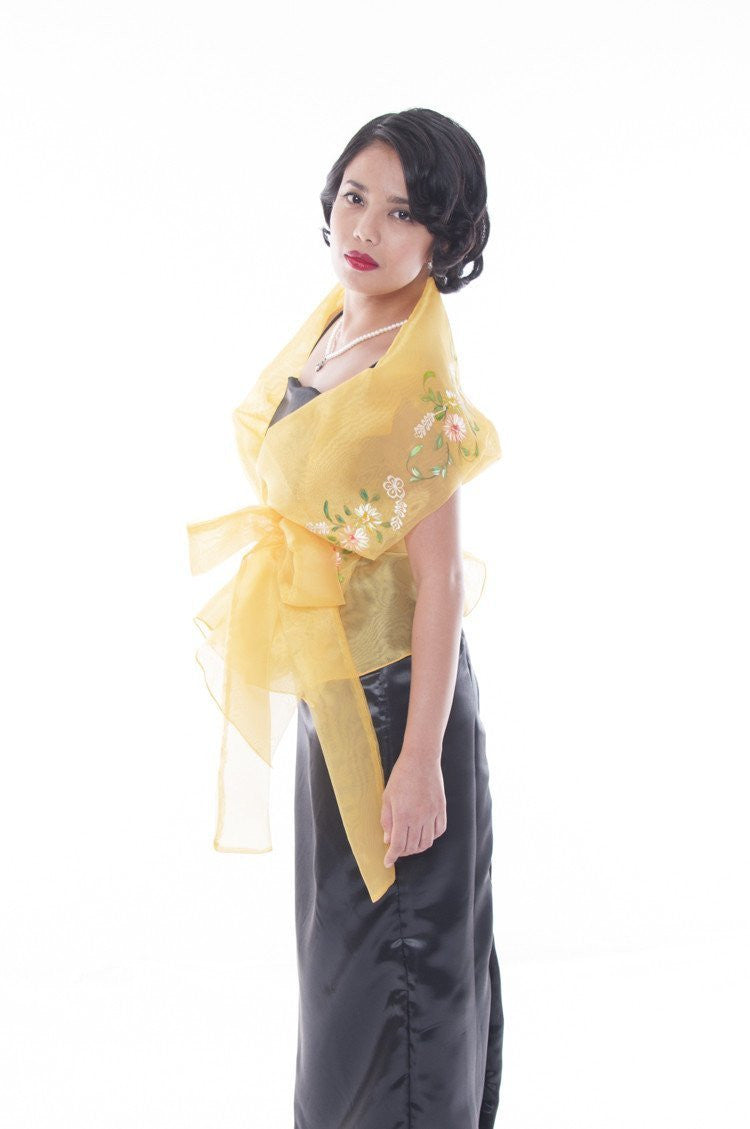

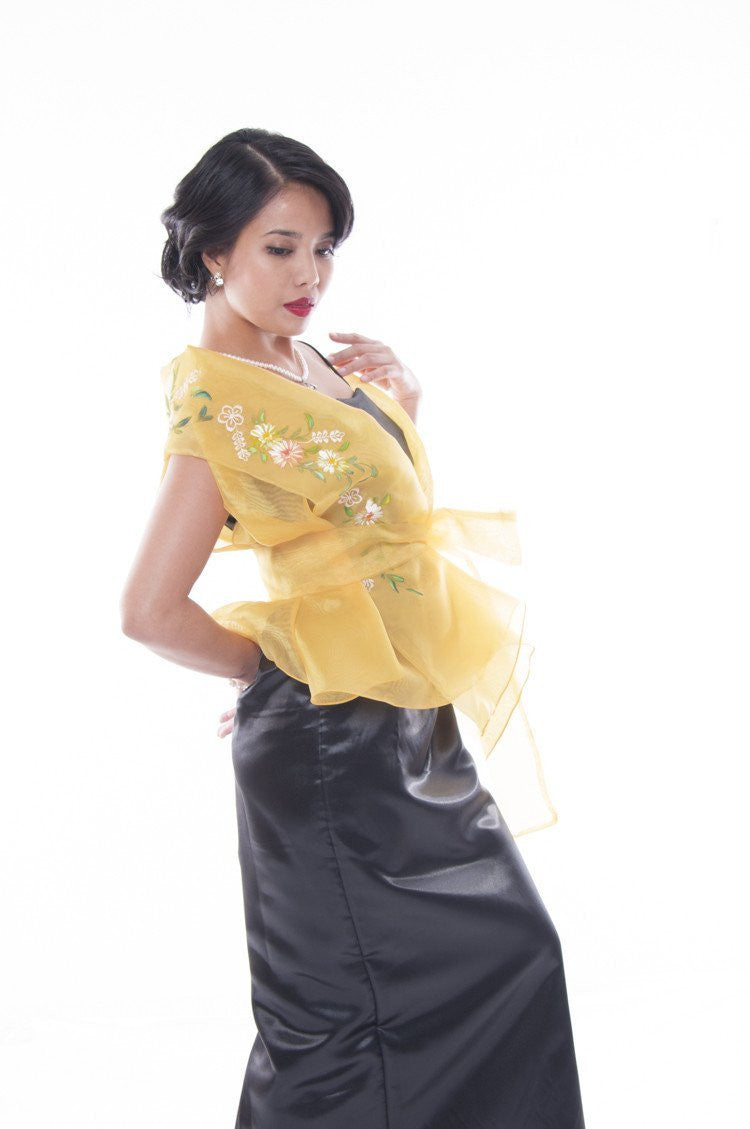
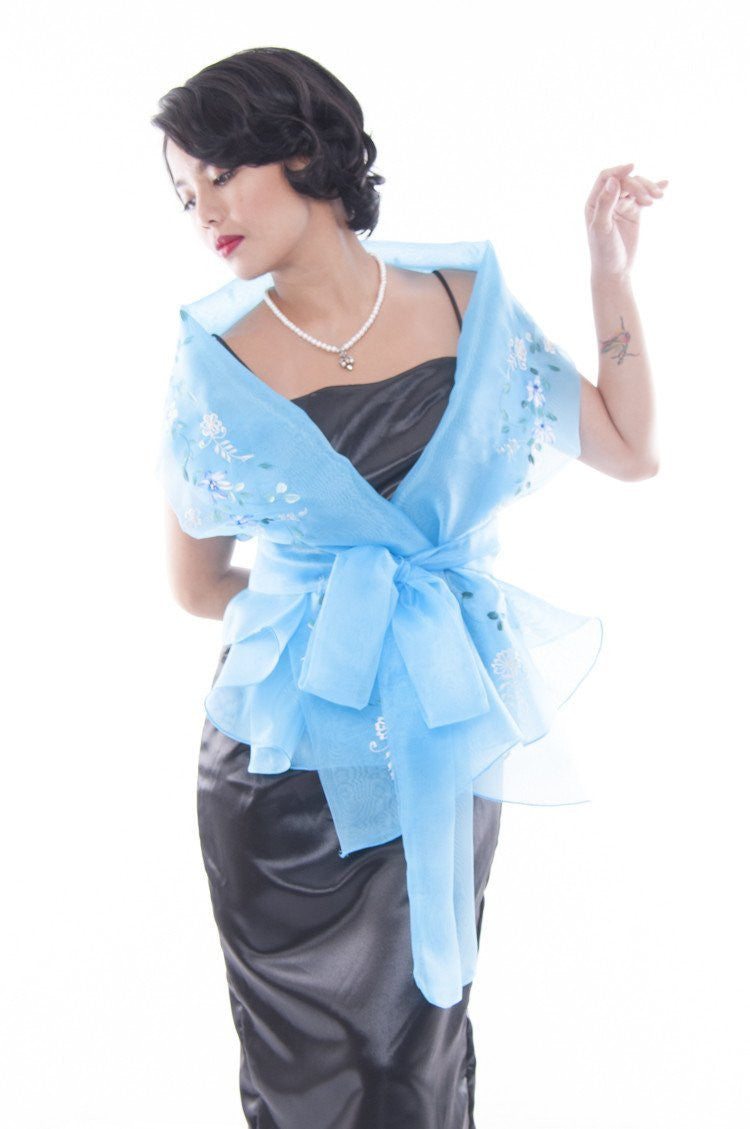
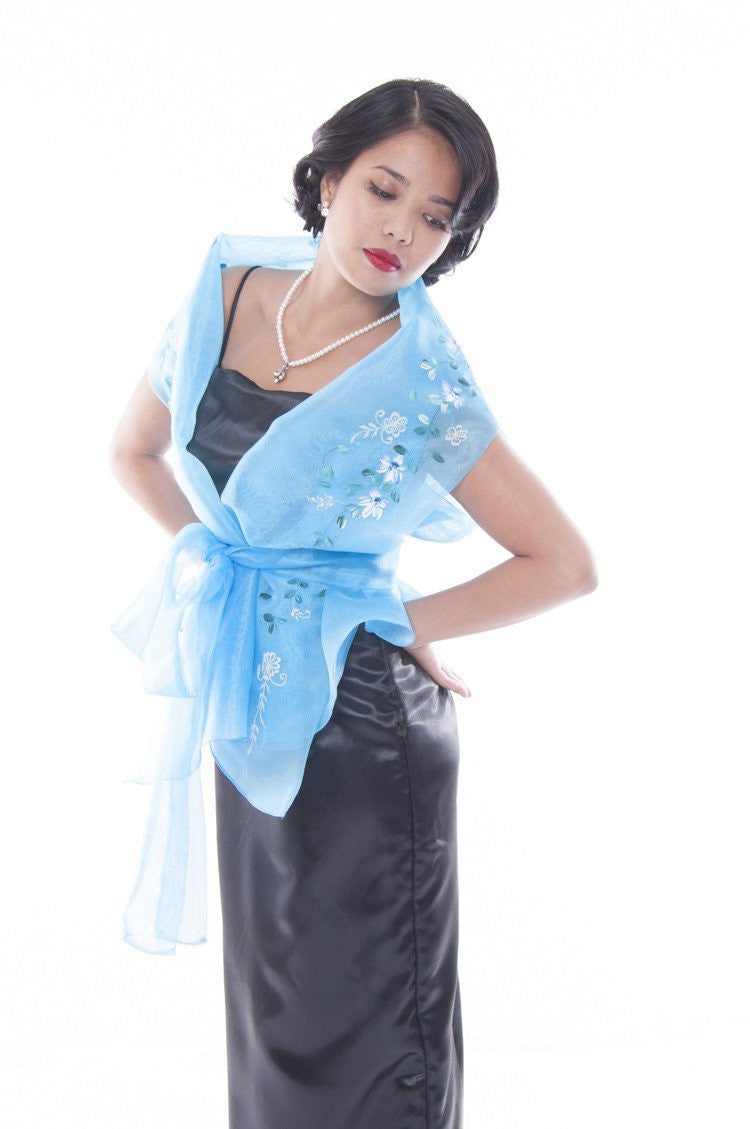
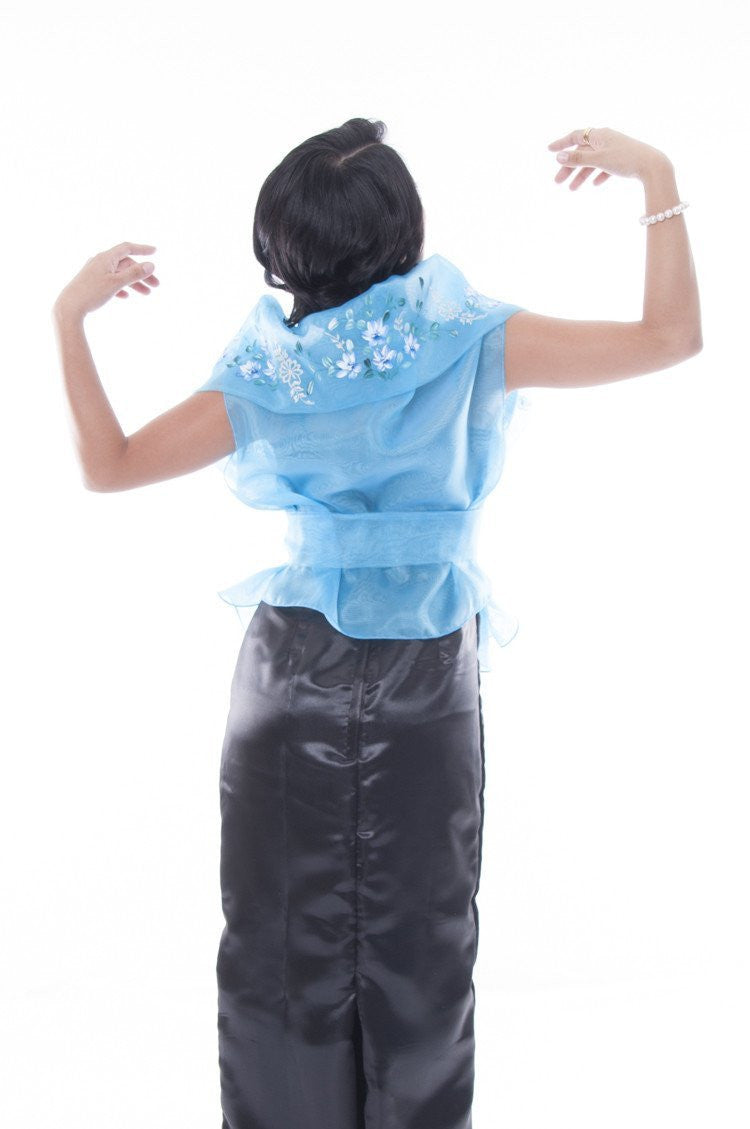
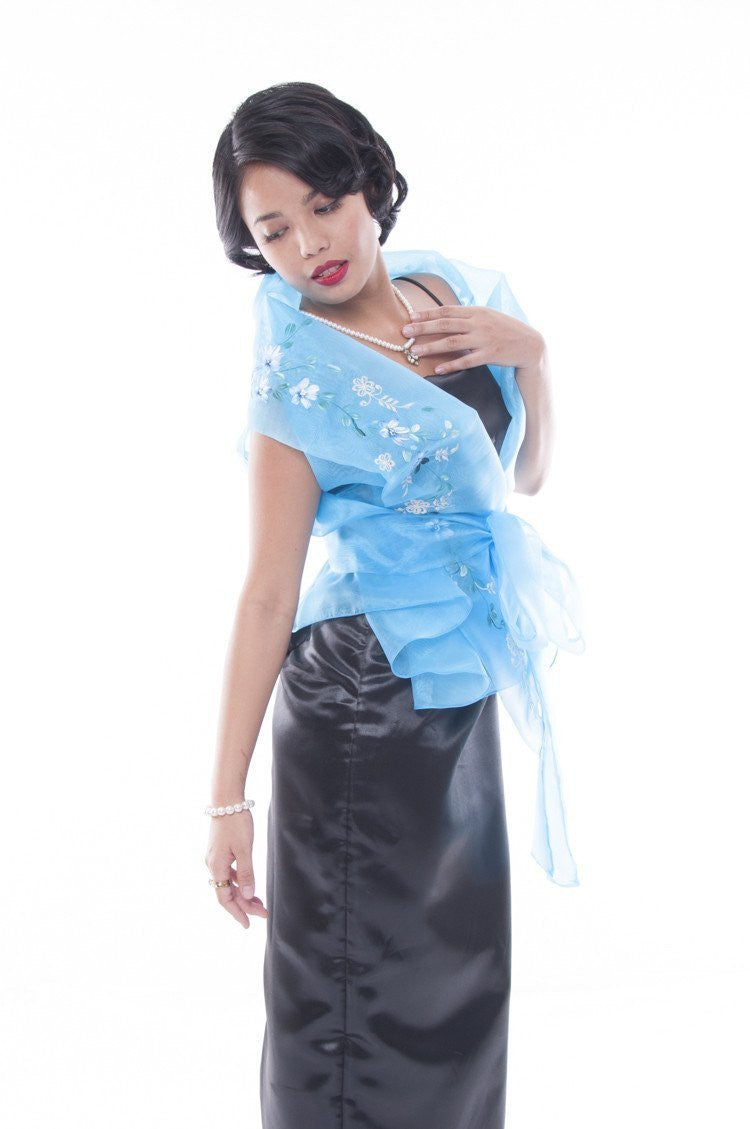
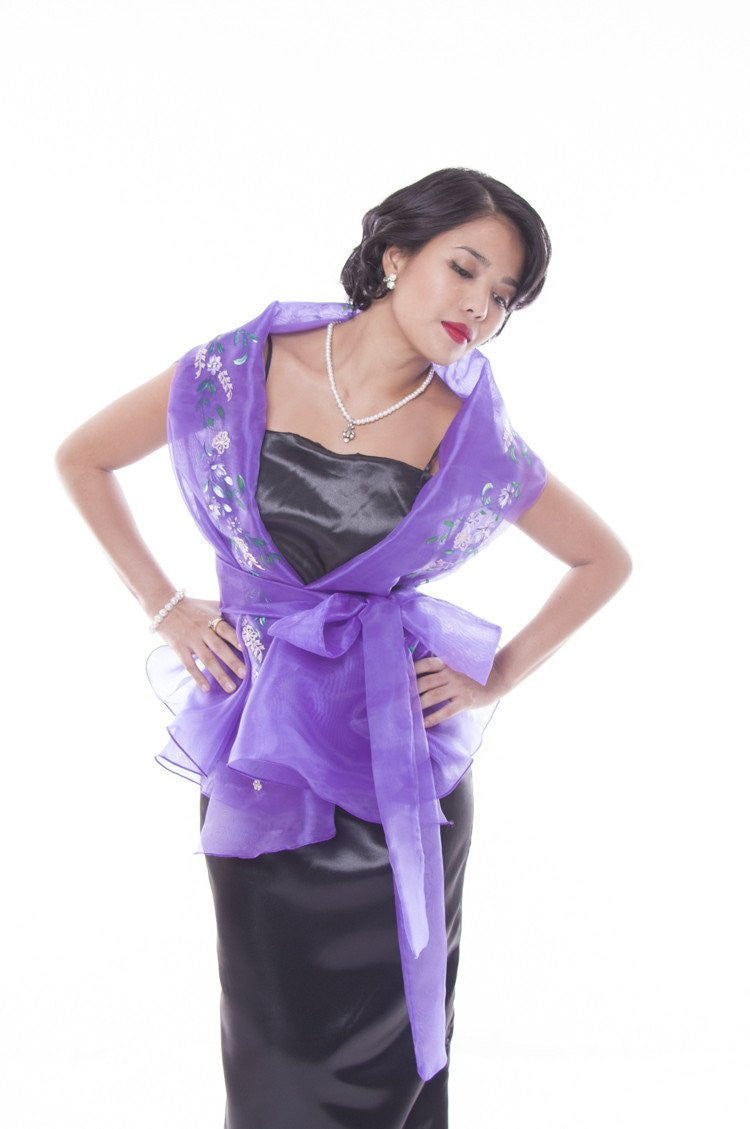
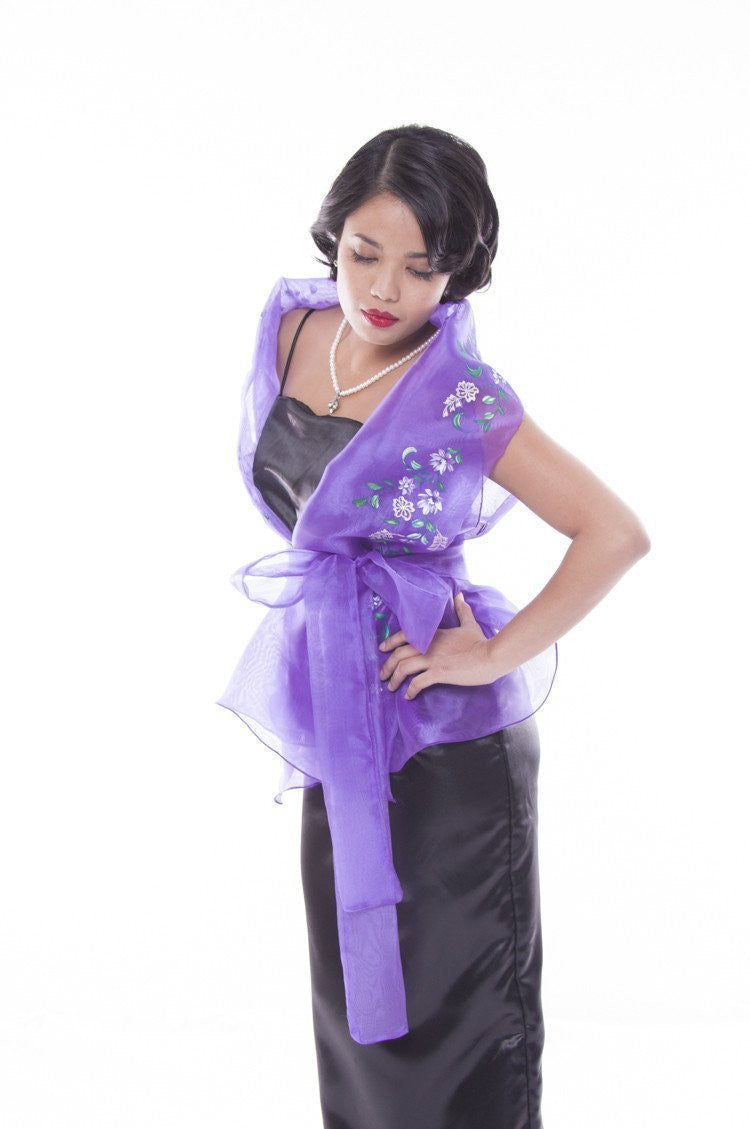
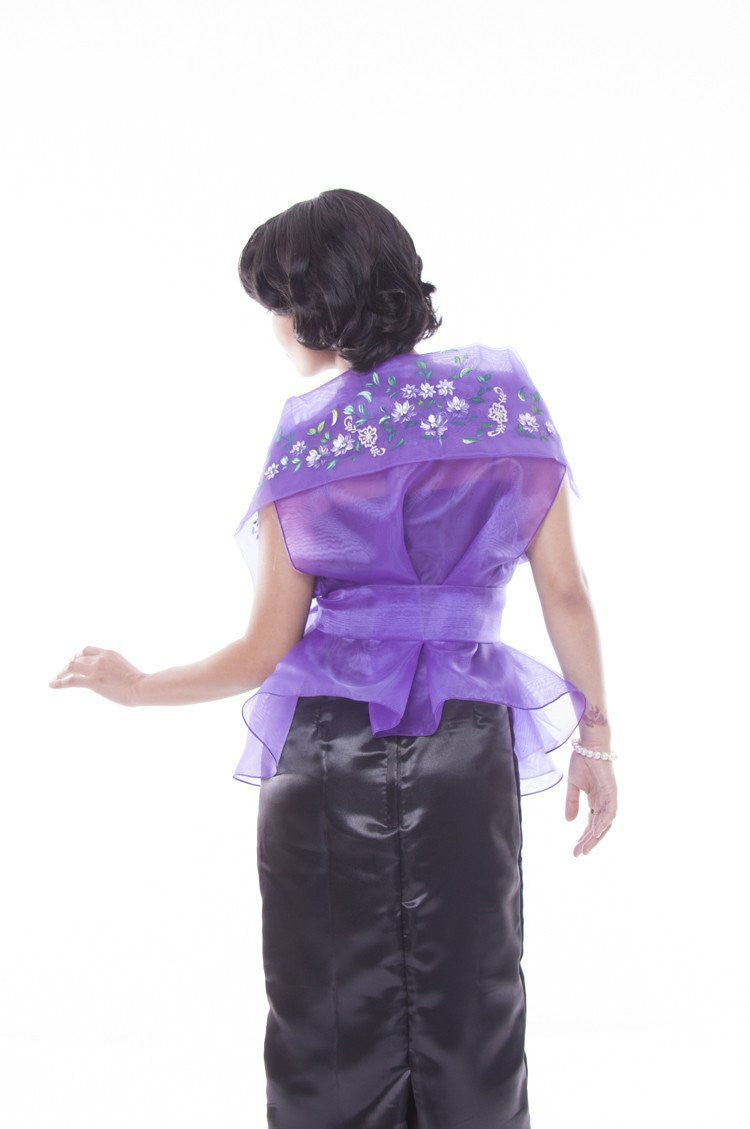
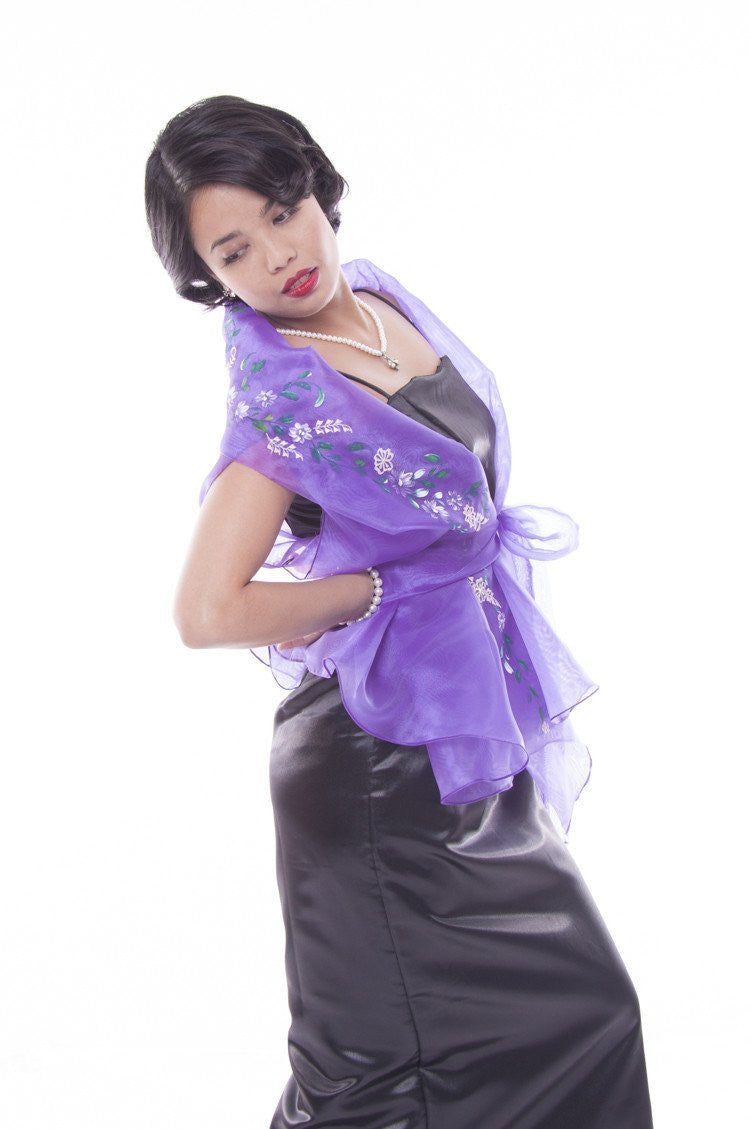
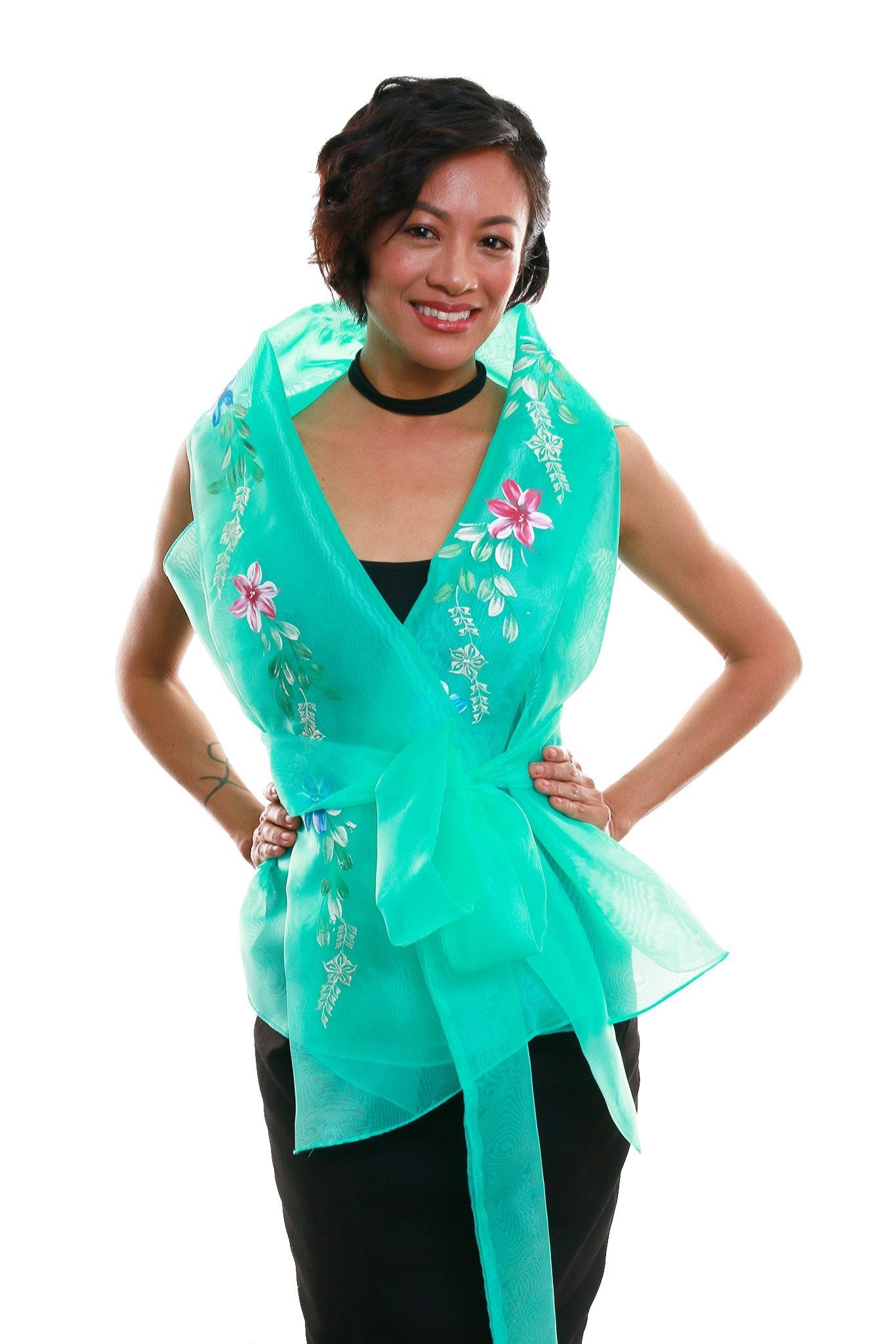
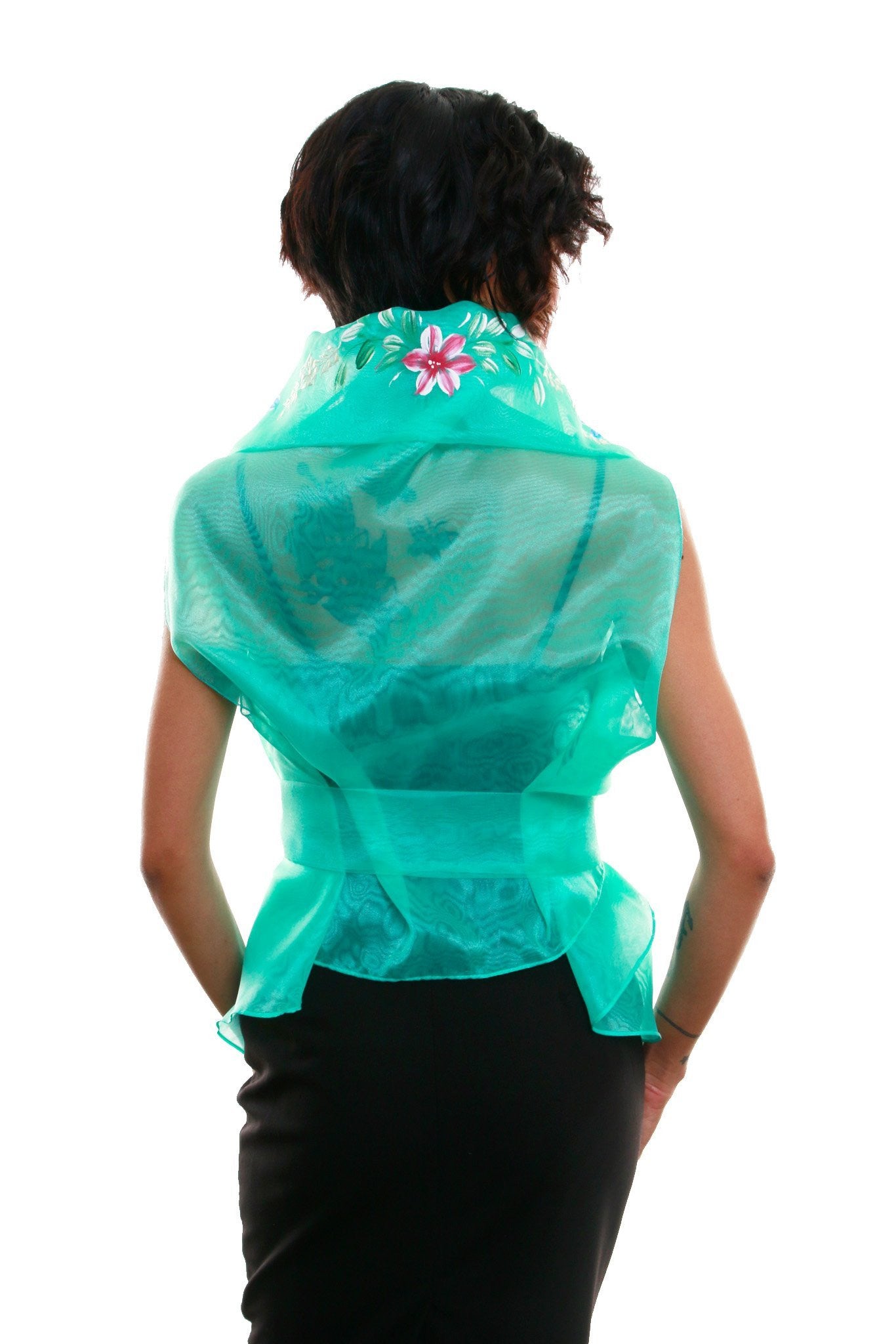


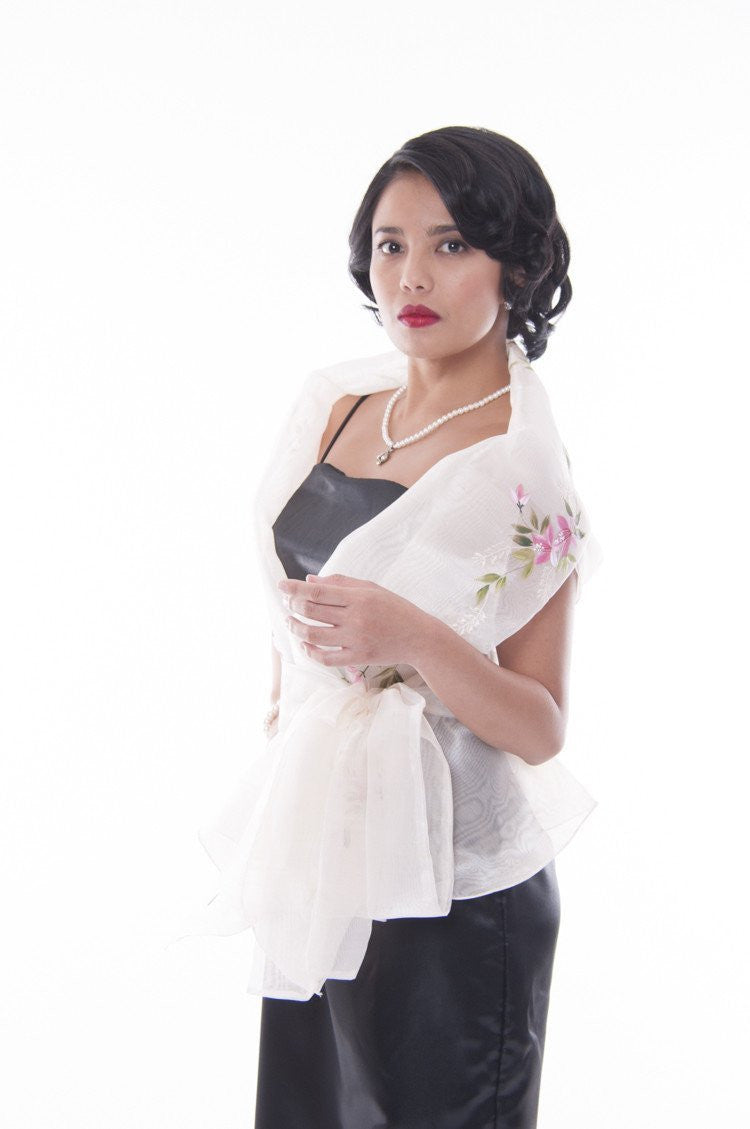
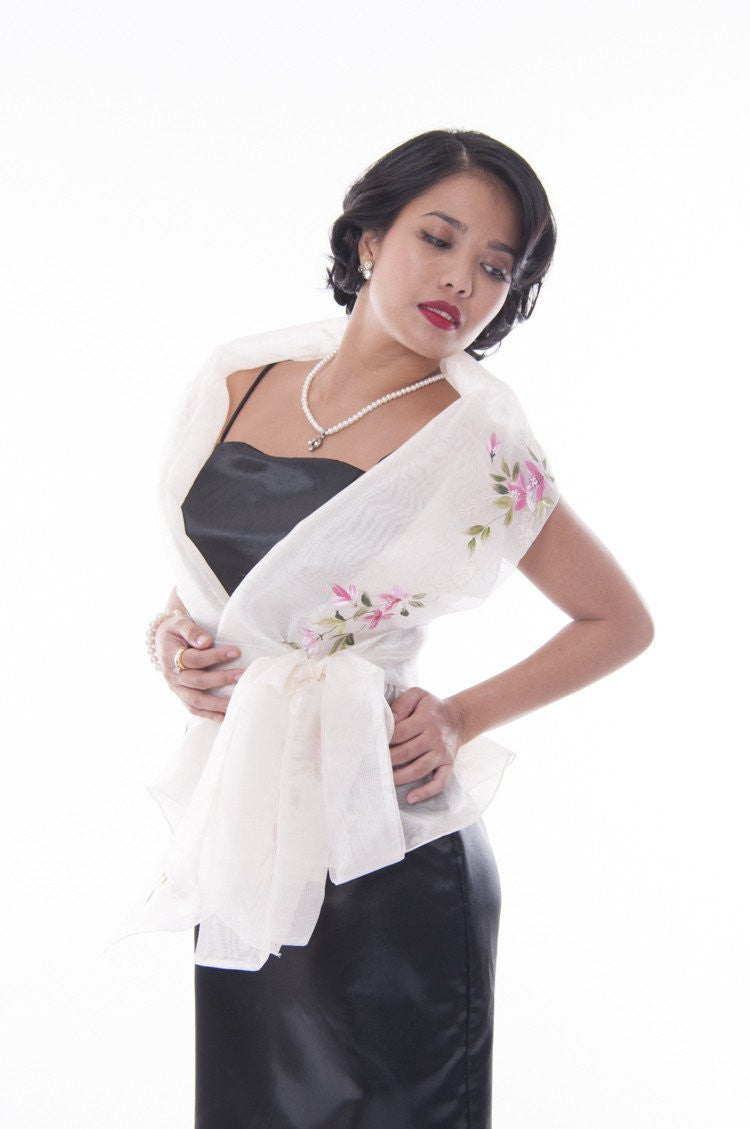
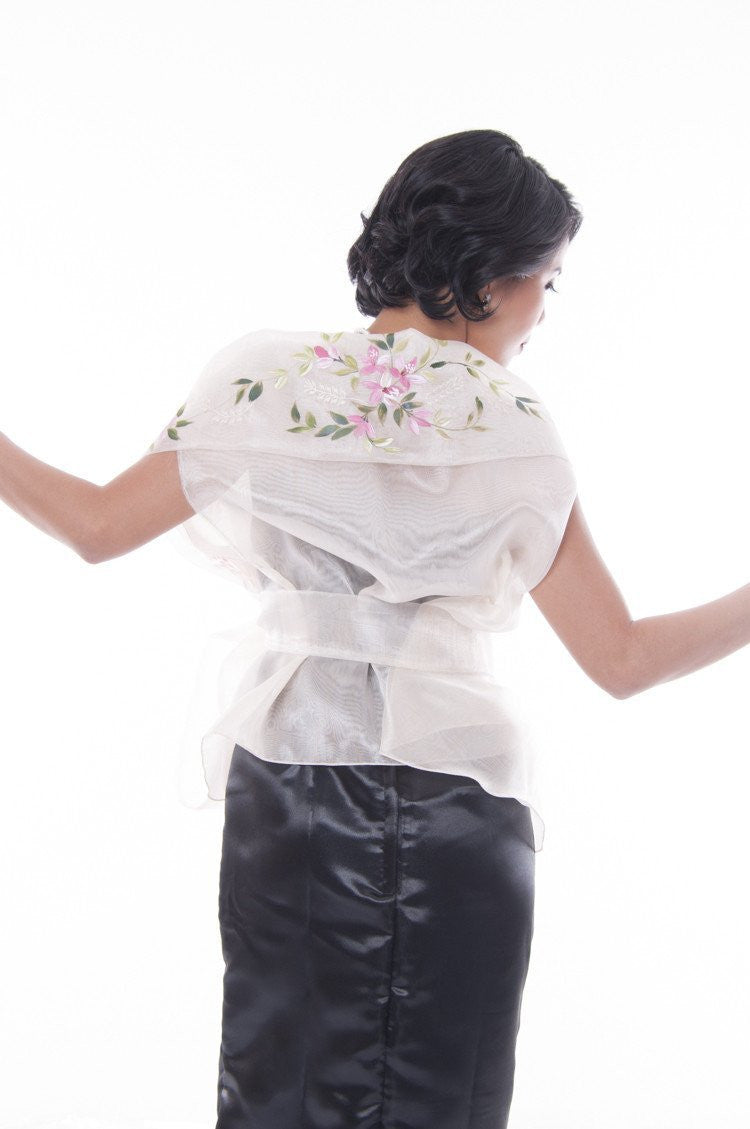
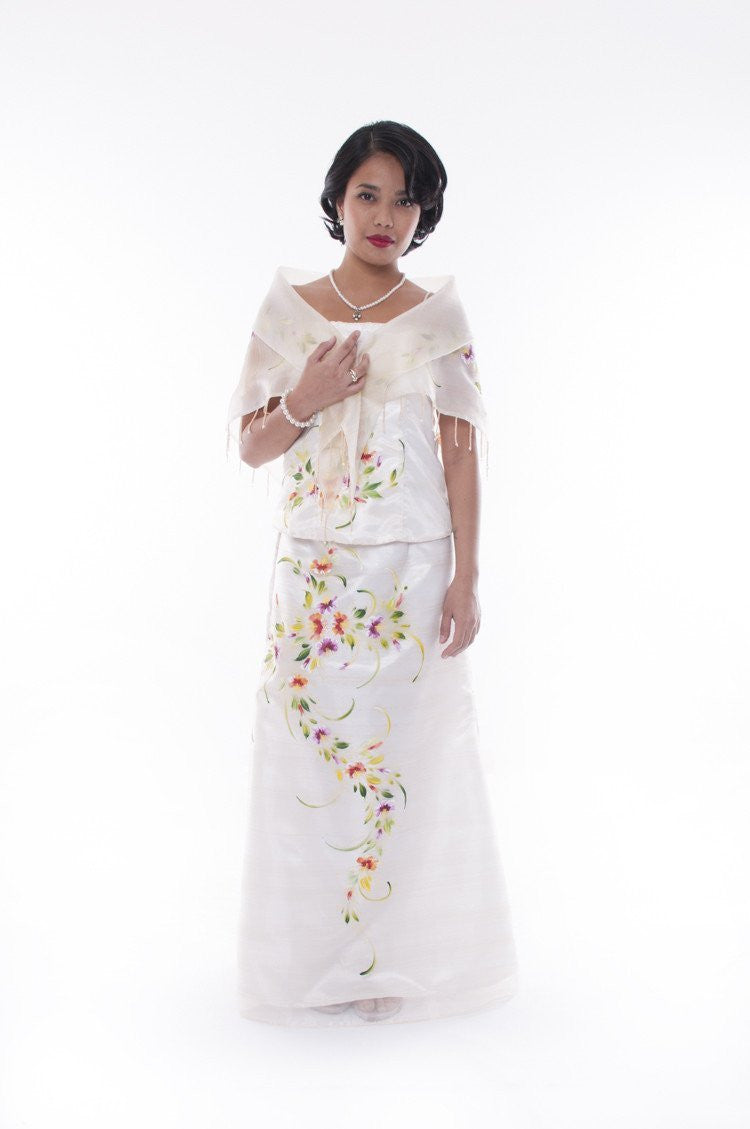
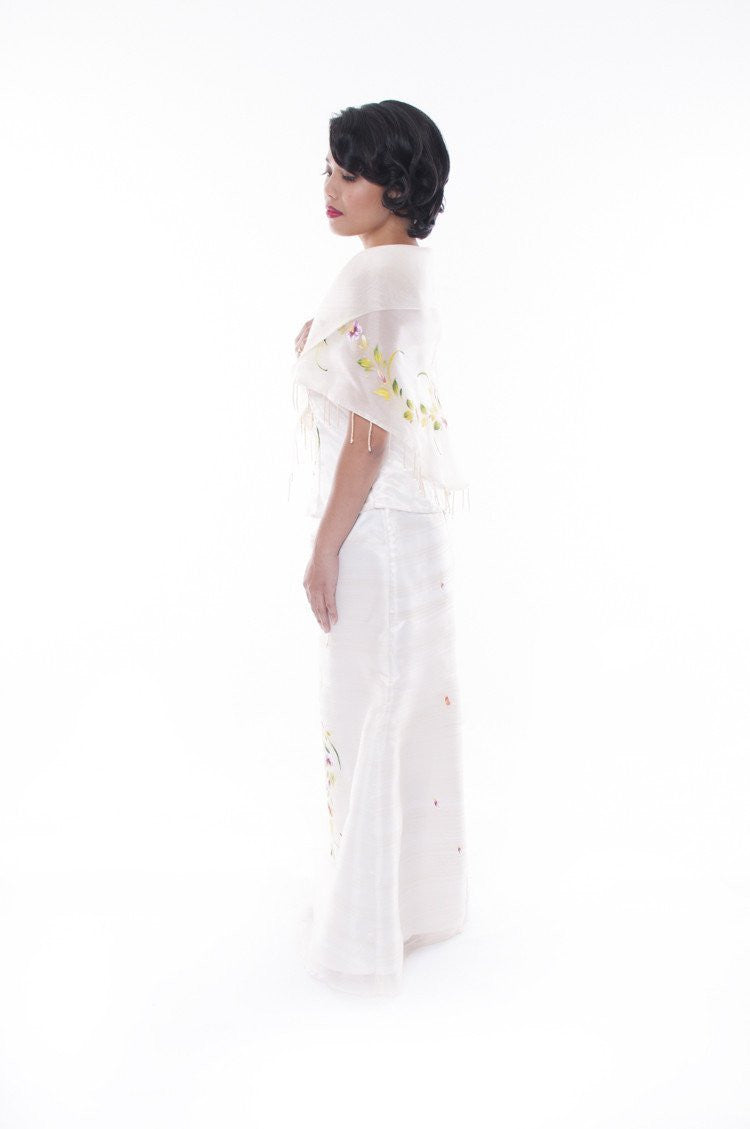
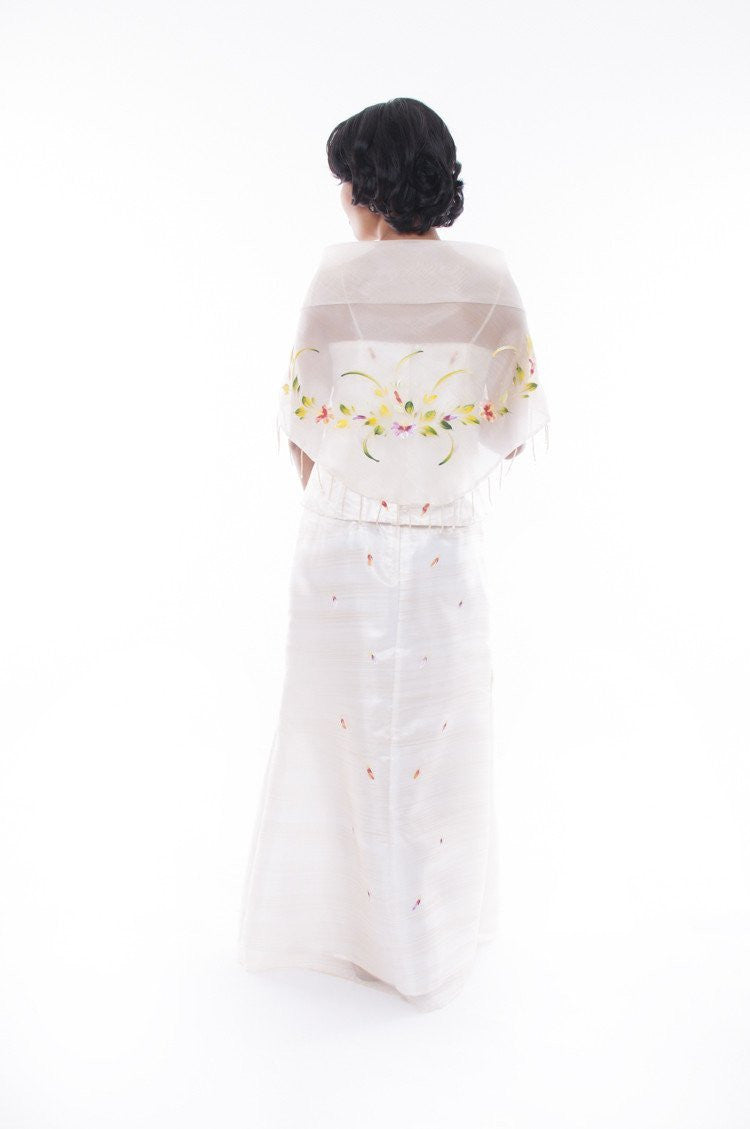
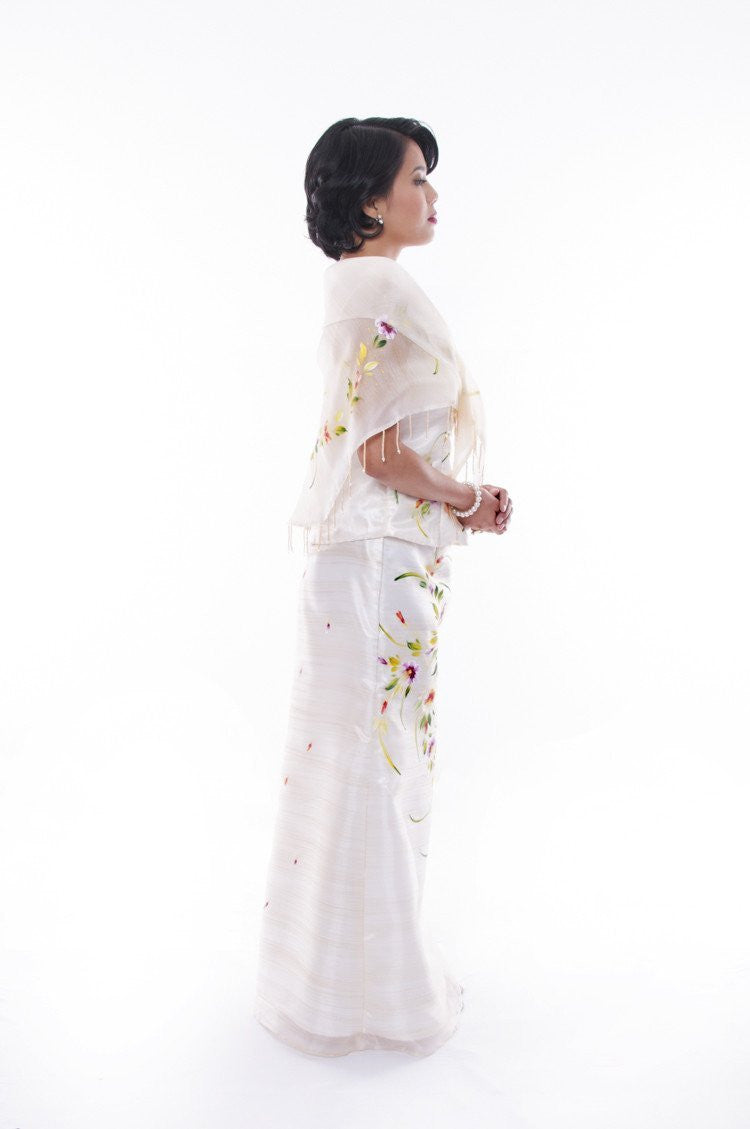
Filipiniana Collection
The Ultimate Filipiniana Style & Fabric Guide
A Filipiniana dress is an umbrella term for traditional Filipino clothing, gowns, and ensembles historically worn by women in the Philippines. These iconic garments blend indigenous pre-colonial styles with Spanish colonial influences, creating a timeless look celebrated at weddings, cultural events, and formal gatherings worldwide.
Traditional and Modern Filipiniana Styles
Traditional Filipino attire features unique components and structural designs. In our collection, you will find both historic silhouettes and modern Filipiniana dresses, including:
- Baro’t Saya: The classic "blouse and skirt" ensemble that forms the foundation of national dress.
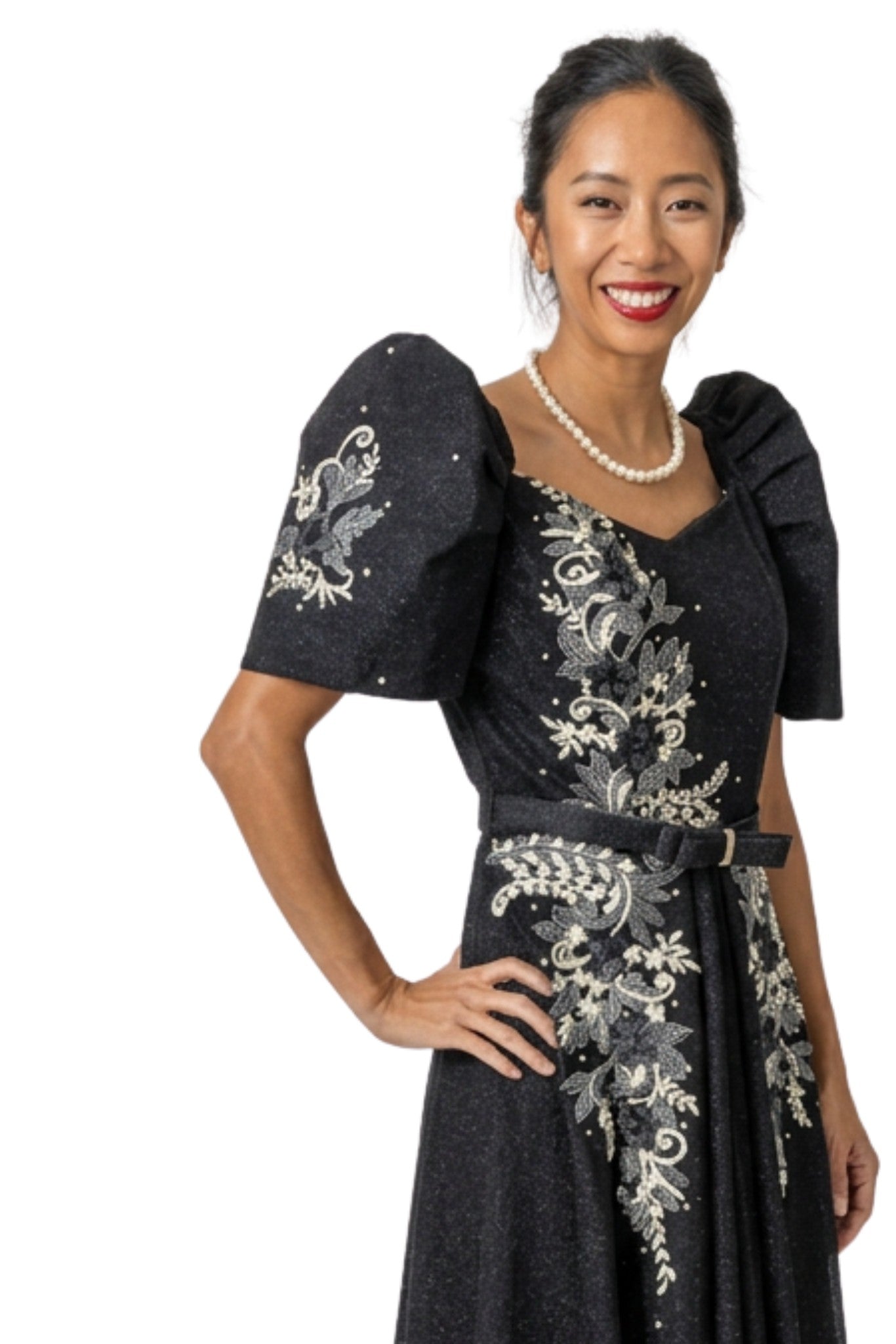
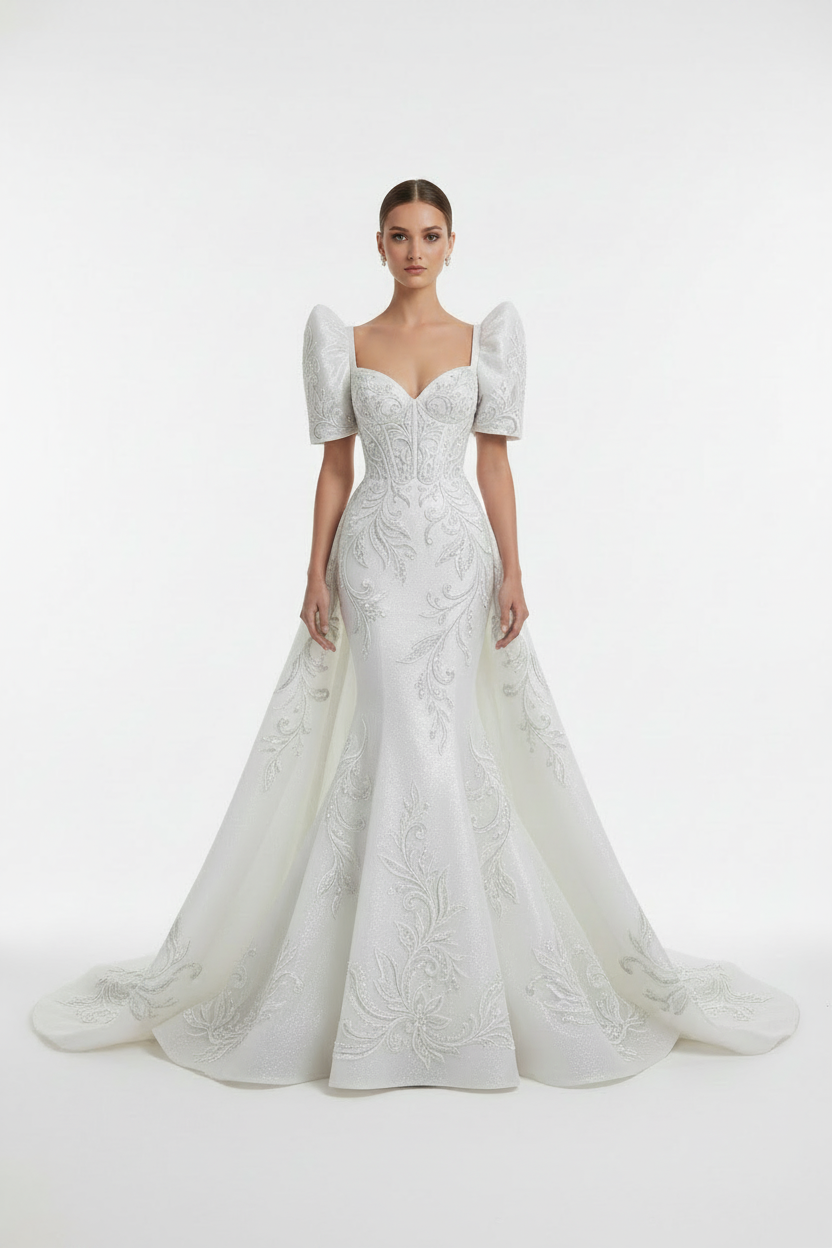
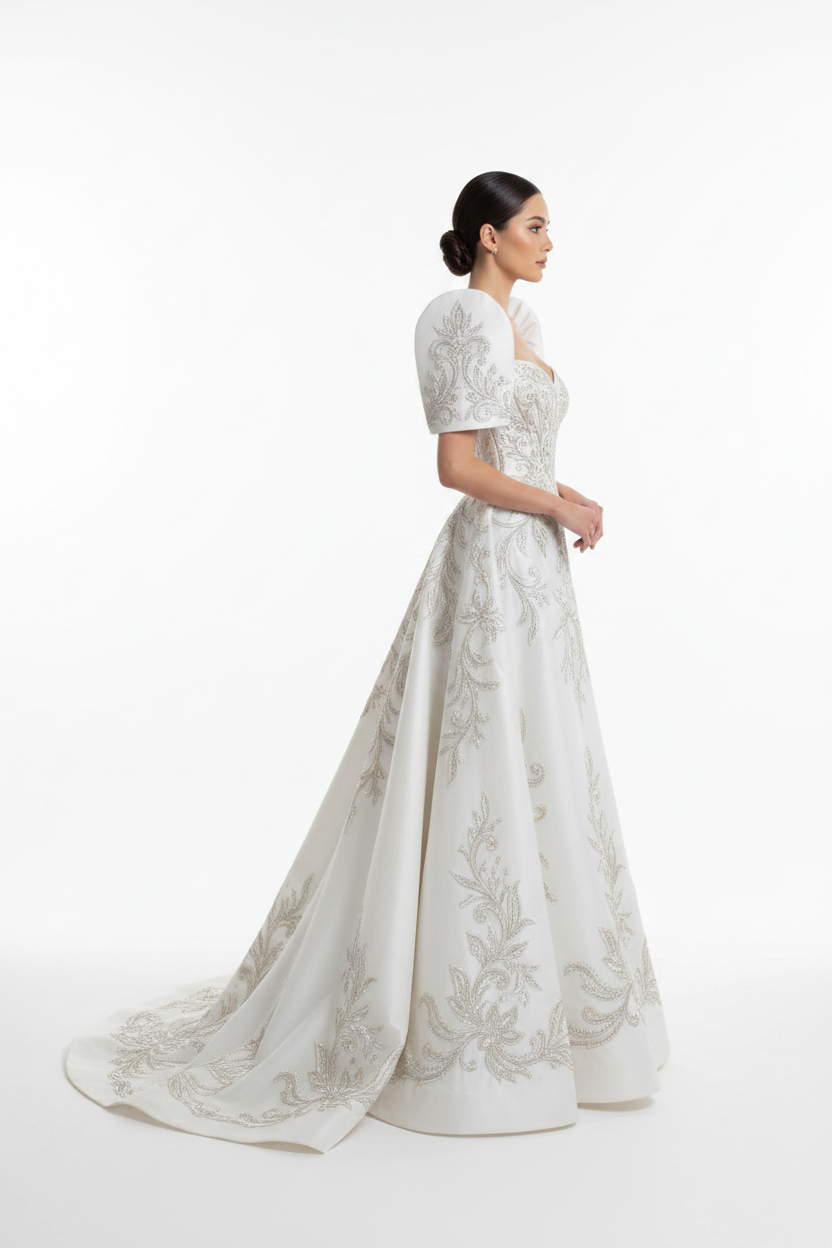
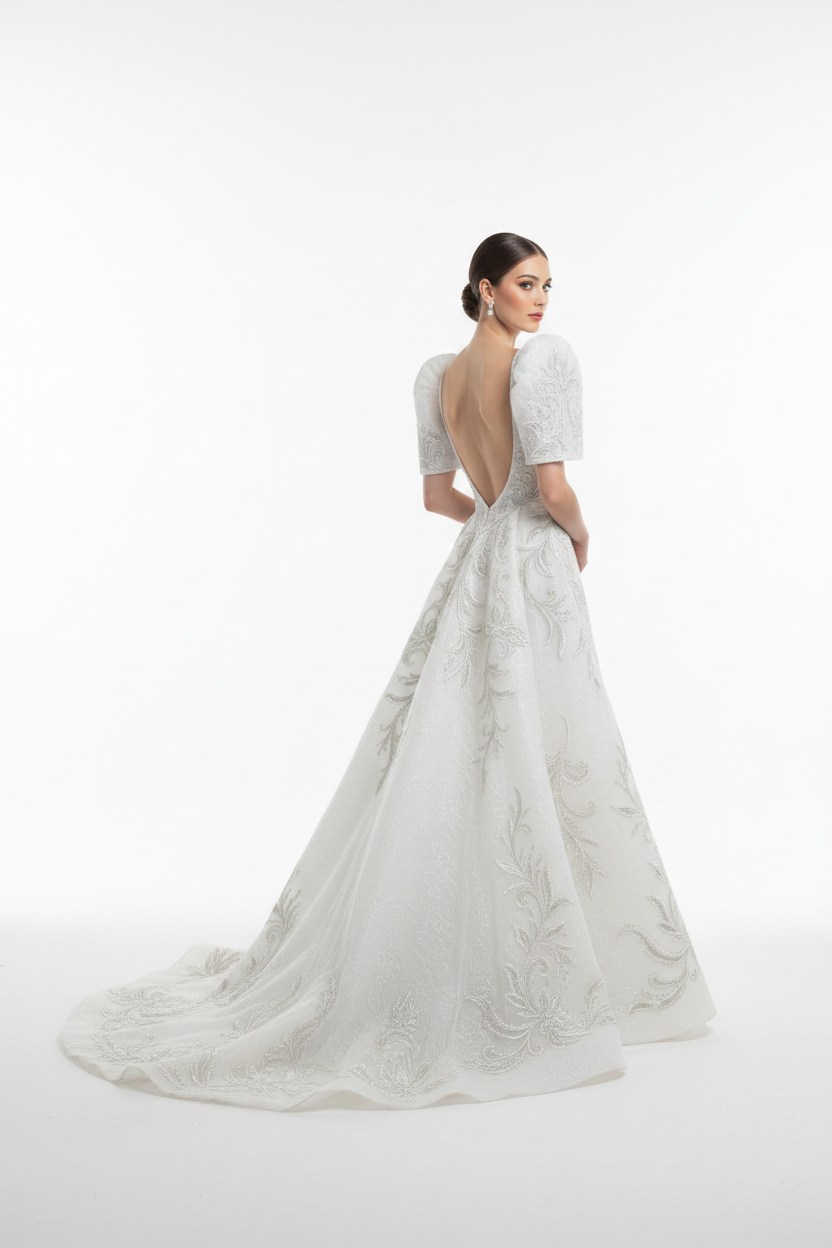
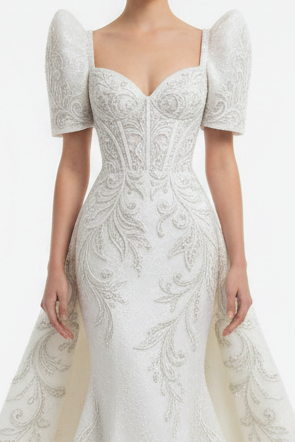
- Terno & Butterfly Sleeves: Famous for its structured, oversized shoulders, the modern Filipiniana terno offers an elegant, empowering silhouette.
- Traje de Mestiza & Maria Clara: An aristocratic, multi-layered gown featuring an alampay (fichu shawl) and a tapis (wrap-around overskirt).
Authentic Philippine Craftsmanship & Sizing Guide
Every piece in our Women's Filipiniana Collection is authentically hand-tailored and made in the Philippines by skilled artisans using premium materials like organza, silk, and traditional weaves.
What is Traje de Mestiza? It directly translates into "Costume of the Fair-Skinned". This is another term for the
Filipiniana dress and the more aristocratic Baro't Saya. It's often associated with the "Maria Clara" look that was made famous in Jose Rizal's novel
Noli Me Tángere.
What is an “Alampay”? It is also known as the "pañuelo", this is a triangle-shaped shawl that has embroidered, lace-like, beaded, sequined, and/or cutworked details depending on the design. It is worn over the shoulder, usually over a kimona or other form-fitting garment.
What is "Baro't Saya"? The phrase directly translates to "Shirt and Skirt". It's the basic outfit of the classic Filipiniana
look. It comes with a top (usually a kimona with butterfly or bell sleeves) and a skirt, and is often accessorized with an alampay, and tapis. All the garments can be adorned with embroidered, painted, cutwork, and/or beaded details.
What is "Tapis"? It is a square piece of adorned fabric that is worn over the saya or skirt. Usually tied at one corner, it adds a layered appeal to the Filipiniana outfit and/or hides the occasional see-through material of the skirt underneath.
What are “Butterfly sleeves”? They are the distinct flared and standing sleeves of Filipiniana tops, sets, or gowns. They are perfectly rounded with stiff lining and an ornate shell often decorated with embroidery, beading, sequins, cutwork, lace, or other designs. The sleeve height is usually 3” or longer.
What is “Terno”? It means matching clothes in Spanish. A matching "baro't saya" has a top and skirt made of the same material, the same color, and/or has the same details. The Filipiniana Terno is the Filipiniana dress with the iconic butterfly sleeves. It evolved from the Baro't Saya and Traje de Mestiza to the modern one-piece terno we see today. It's become less about matching separate pieces, but more about the glamour of the complete look a designer terno embodies.
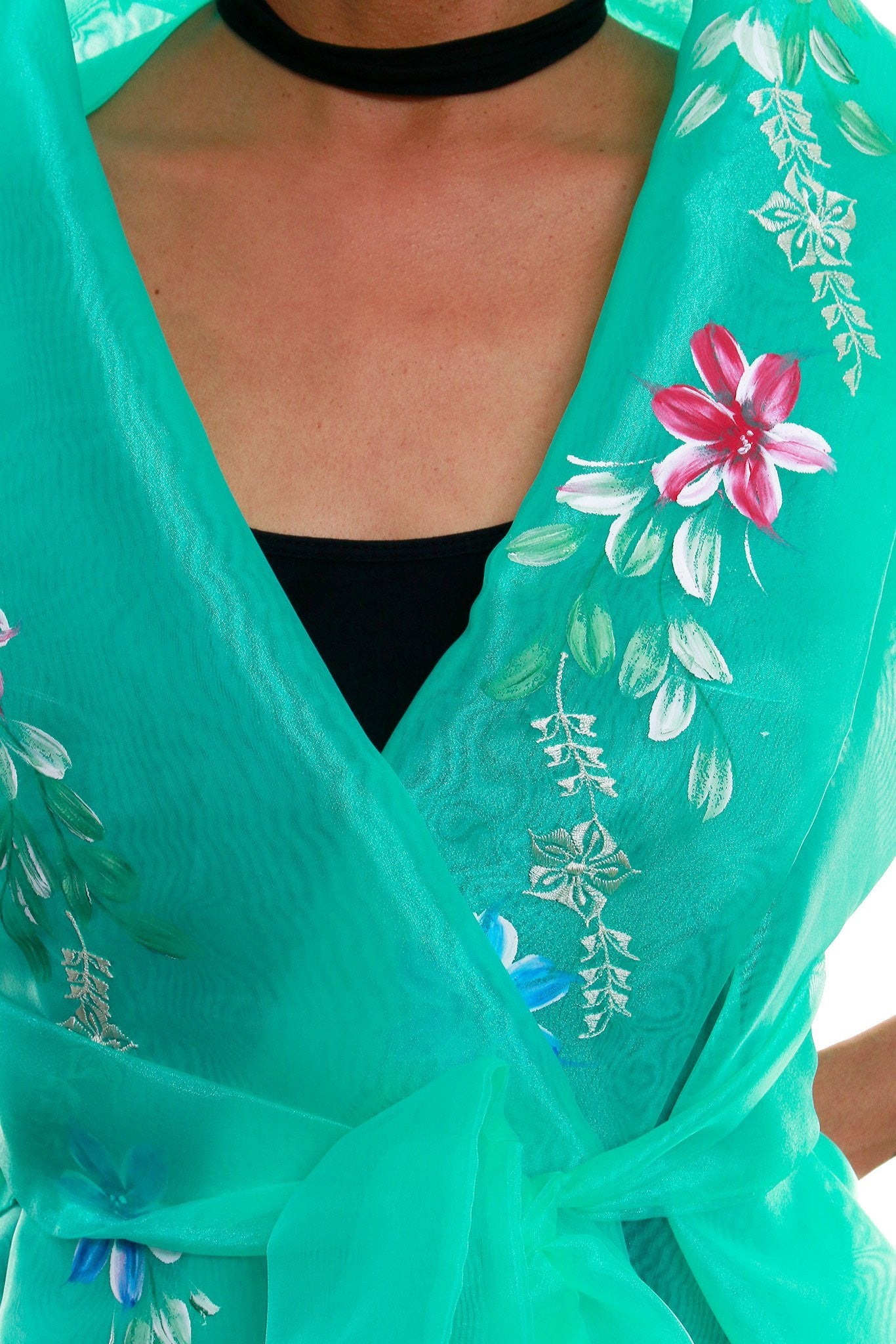
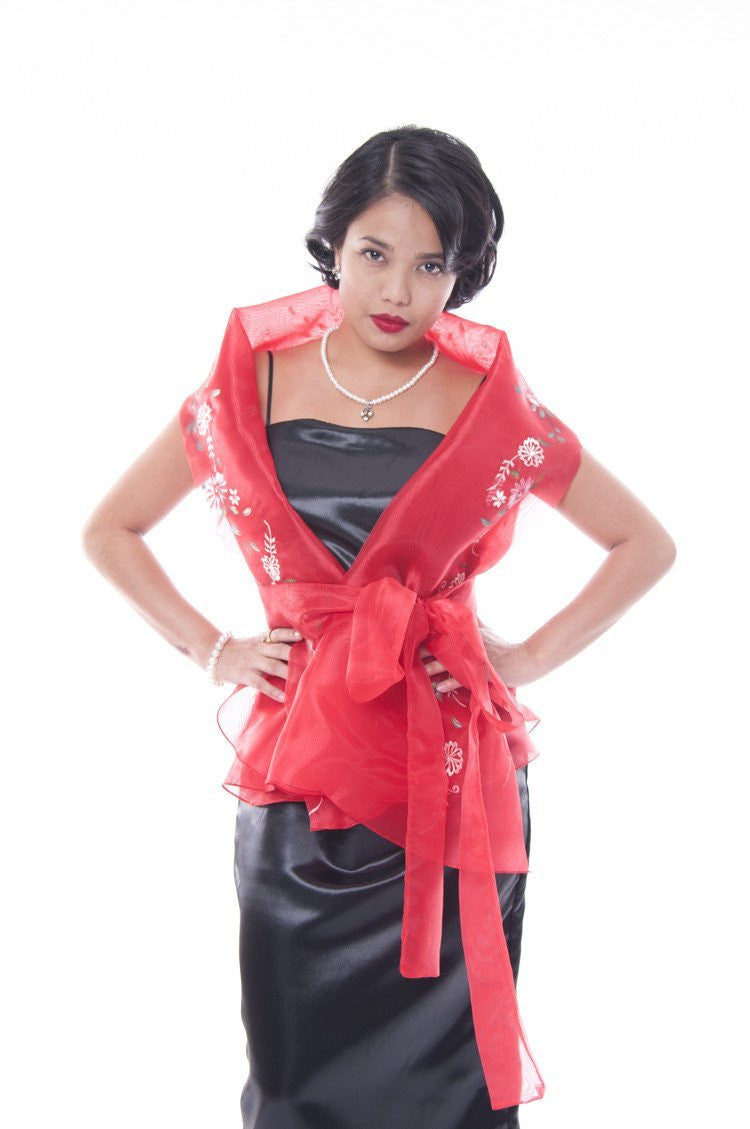
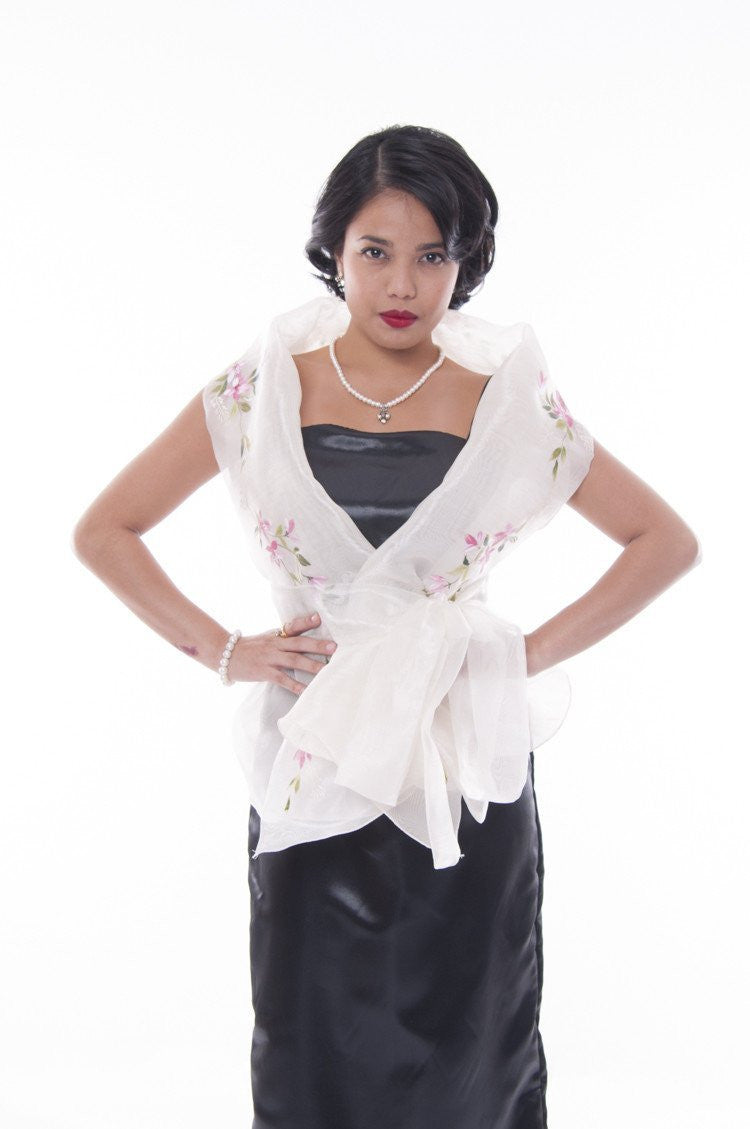
What is a "Kimona"? It is the Filipiniana top that usually has bell sleeves. The modern silhouette is more tapered compared to its more billowy traditional counterpart. It is often embroidered, painted, and/or beaded. Its cut can be loose or tailored, and it can come with with butterfly sleeves (see above) or bell sleeves. Some modern kimonas made out of Organza come with an undershirt, while others have a Polyester lining.
Frequently Asked Questions (FAQ)
When is it appropriate to wear a Filipiniana dress or gown?
The Filipiniana dress is incredibly versatile. Classic, floor-length Filipiniana gowns and structured terno sets are the premier choices for weddings, galas, religious ceremonies, and high-profile cultural events. For corporate settings, upscale parties, or celebratory family gatherings, a modern Filipiniana top, bolero, or casual short-sleeve dress is a highly popular option.
Can non-Filipinas wear a Filipiniana dress?
Yes, absolutely. The Filipiniana dress is an internationally celebrated garment. Anyone looking to honor its deep cultural history, celebrate a cross-cultural event, or simply showcase a uniquely elegant, empowering style is welcome to wear one.
How do I choose the correct Filipiniana size online?
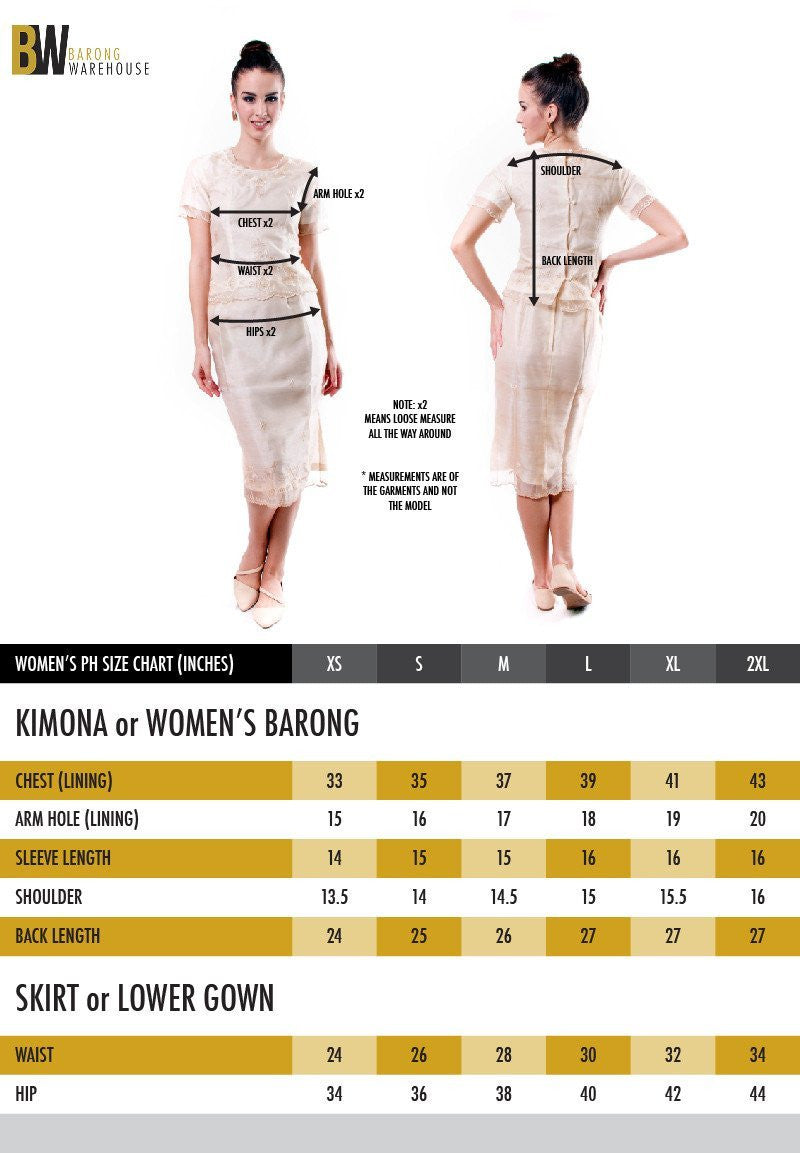
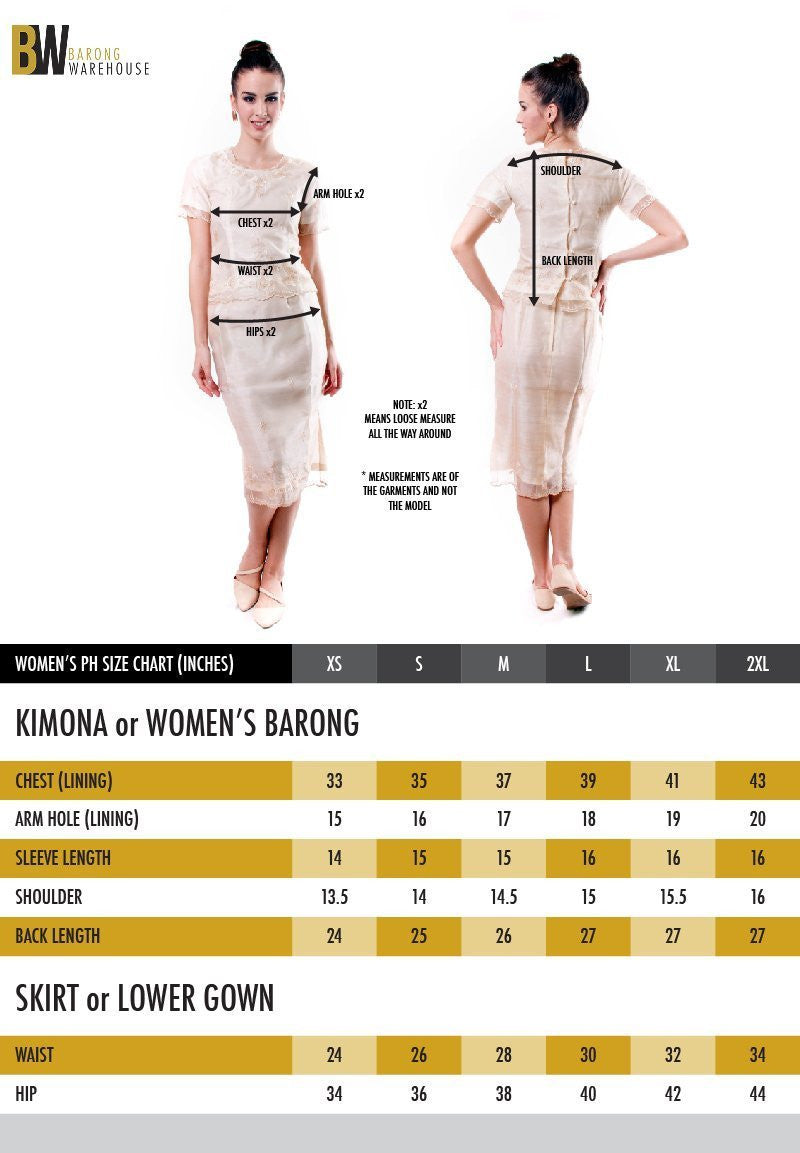
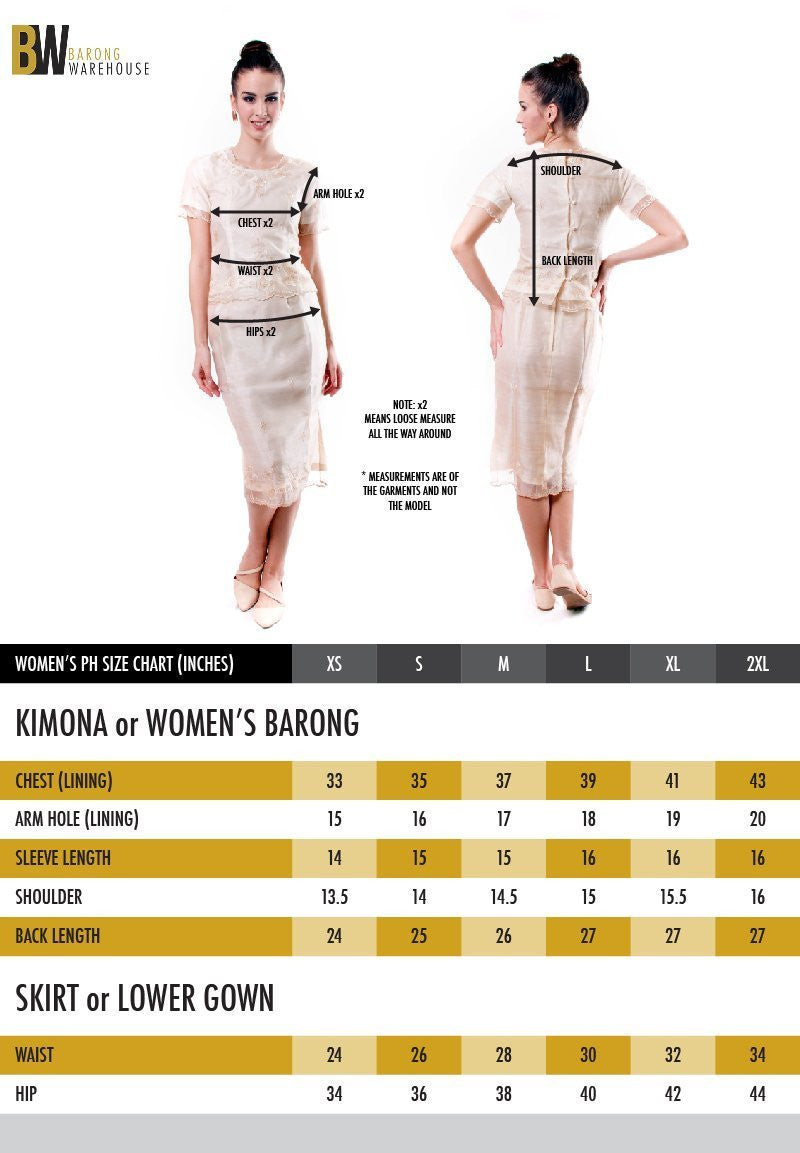
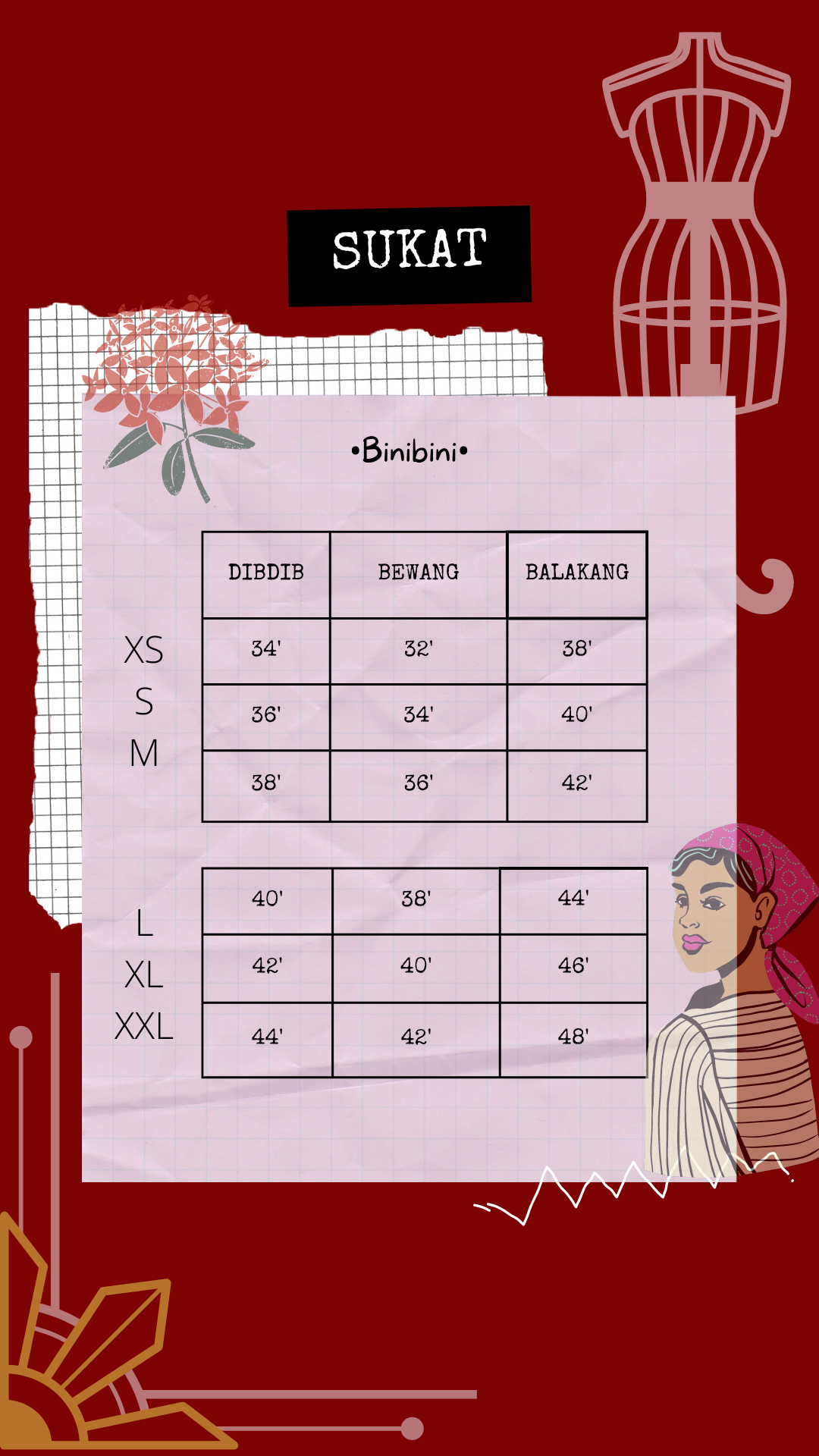
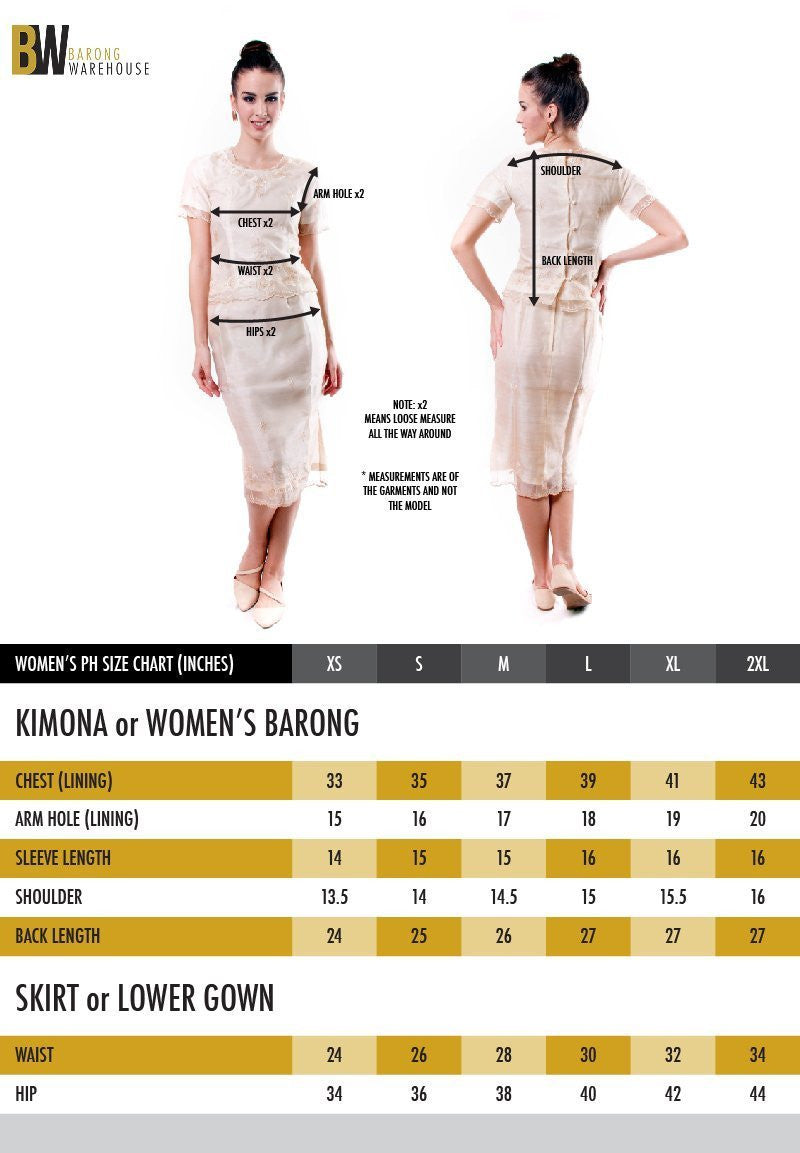
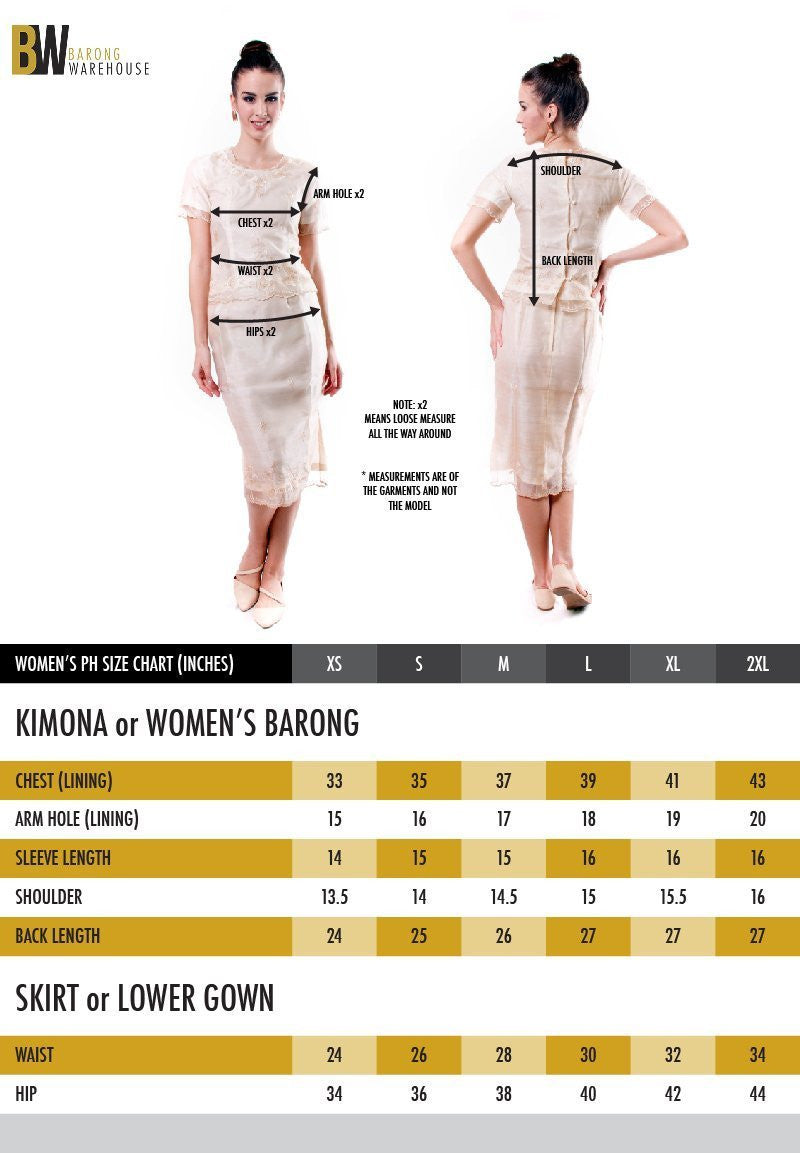
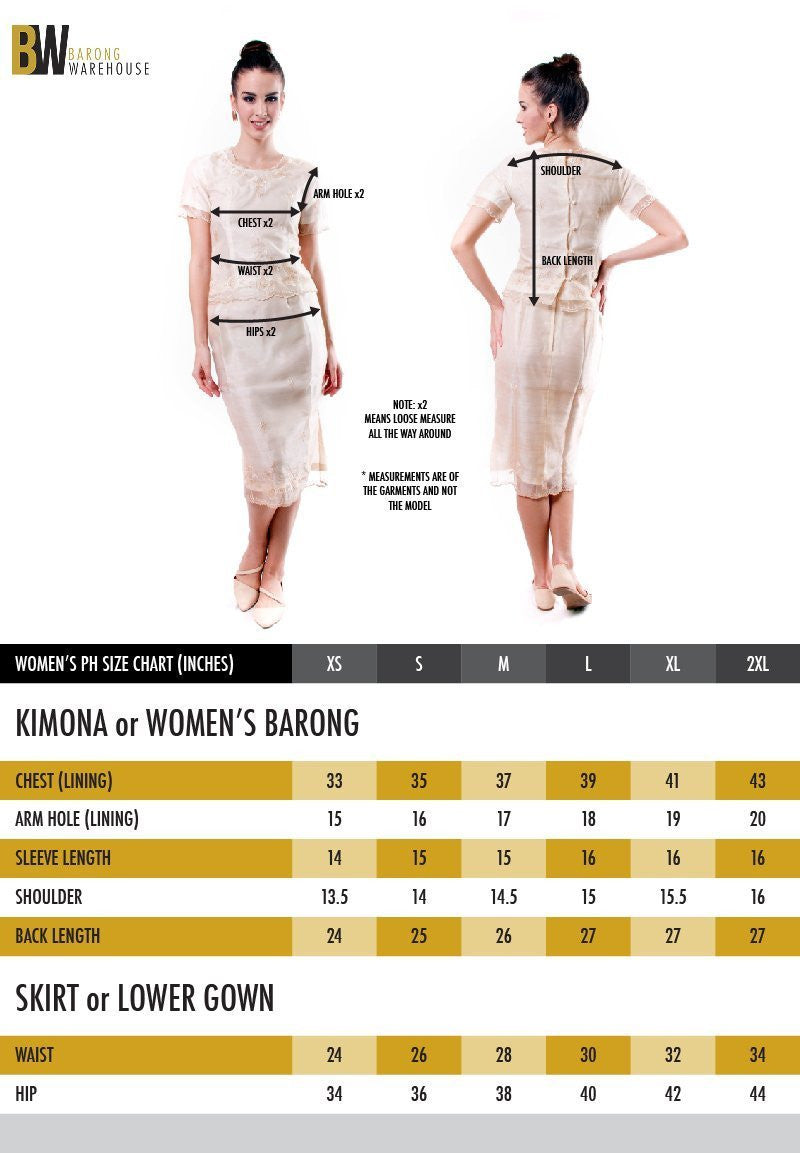
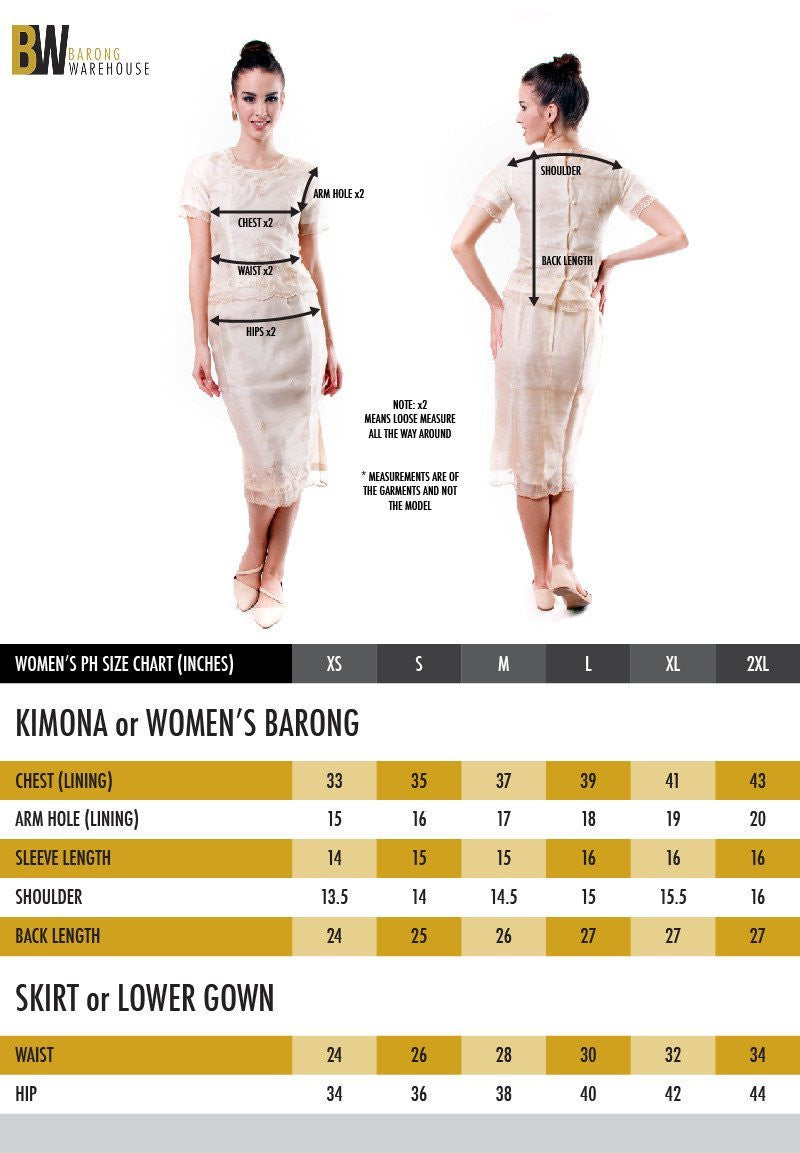
Because our collection is authentically made in the Philippines, standard PH sizes typically run one size smaller than Western or US sizing standards. Always consult our comprehensive size charts and measurement guides prior to ordering to ensure an exact fit for your gown or set.
How do you wash and care for a Filipiniana dress?
Due to the intricate embroidery, delicate beadwork, and fine nature of fabrics like Organza, Chiffon and Satin of Filipiniana dresses, please consult with your dry cleaner before attempting to dry clean them.
We highly recommend gentle hand washing using a mild detergent, or placing the garment inside a protective mesh bag for a delicate machine wash cycle. Never wring any of the hand-beading, painting, or embroidered parts.
Always air dry your dress. A garment steamer is also an excellent tool to safely smooth out wrinkles and refresh the fabric.

Barong Tagalog, Filipiniana & Filipino Goods worldwide
We are here for you. Salamat po sa inyong lahat!